

More Than Just a Rainy Season
First, you have to understand the monsoon in India. It's not just a few dreary, wet months. From roughly June to September, the monsoon is a transformative force—a life-giving, destructive, and profoundly cultural event. It replenishes reservoirs, nourishes
crops, and breaks the oppressive heat of summer. But it also brings catastrophic floods, landslides, and brings cities like Mumbai to a standstill. For generations, the monsoon was a season to be endured. You didn't travel for fun; you stayed put and hoped for the best. But a fundamental shift is underway, centered in Maharashtra, a state on India’s west coast that’s home to over 125 million people, the bustling metropolis of Mumbai, and a stunning mountain range called the Western Ghats.
The Birth of Monsoon Tourism
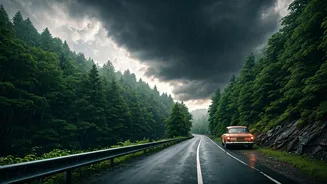
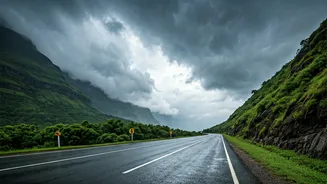
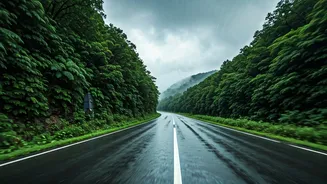
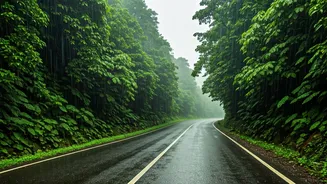
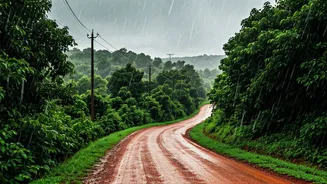
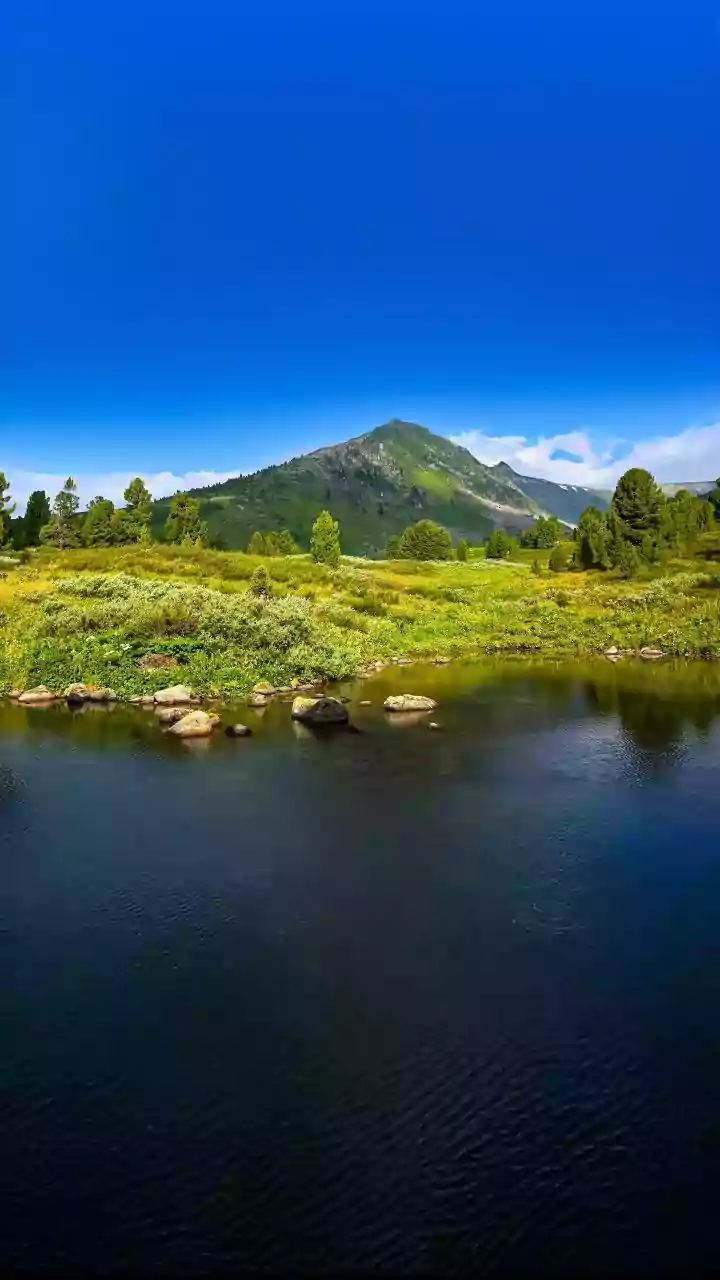
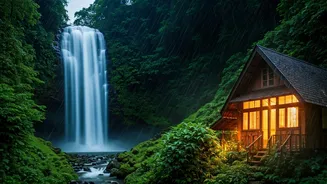
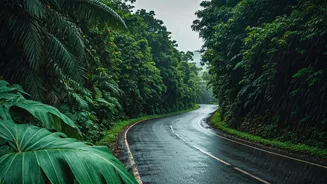
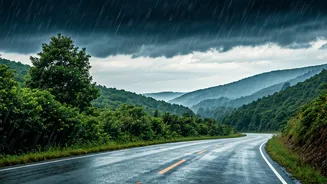
For years, tourism in India was a seasonal affair, peaking in the cool, dry winter months. The monsoon was the off-season. But a new breed of domestic traveler has flipped that script. Instead of fleeing the rain, they are chasing it. They seek out the dramatic beauty the monsoon unleashes: misty hills, gushing waterfalls that only exist for a few months, and landscapes painted in an impossible, vibrant green. This is “monsoon tourism,” and its epicenter is the Western Ghats region of Maharashtra. Hill stations like Lonavala, Mahabaleshwar, and Malshej Ghat, just a few hours' drive from the urban jungles of Mumbai and Pune, become prime destinations. The goal isn't to sunbathe; it's to sip hot tea while watching the clouds roll in, get drenched in a downpour, and witness nature at its most powerful and lush.
From a Gamble to a Calculated Risk
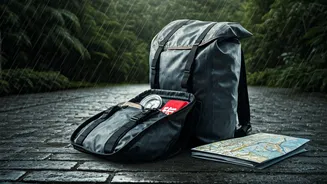
This kind of travel used to be a huge gamble. The monsoon is notoriously fickle; a gentle shower can turn into a torrential, road-closing deluge in hours. Planning a weekend trip a week in advance was a fool’s errand. This is where the real change has happened. The proliferation of smartphones and the increasing accuracy and accessibility of weather forecasting have revolutionized the process. Indians now have access to a host of sophisticated weather apps, from international staples to hyperlocal services. Simultaneously, the India Meteorological Department (IMD) has improved its short-term forecasting, issuing color-coded alerts for heavy rainfall. A weekend trip is no longer a blind bet. It’s a calculated decision based on data.
The Weekend Window of Opportunity
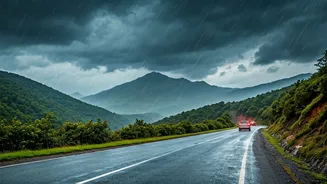
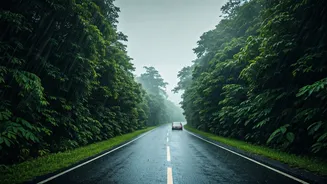
The pattern is now common. A group of friends or a family in Mumbai sees a forecast for moderate to heavy rain—but no “red alert” for extreme danger—in the Ghats for Saturday and Sunday. On Thursday or Friday, they book a car or a room at a resort and make the drive. They are specifically looking for that sweet spot: enough rain to make the scenery spectacular, but not so much that it becomes a natural disaster. Hotels and resorts in these regions report that their booking patterns have changed, with a surge in last-minute reservations directly correlating with favorable rain forecasts. It’s a dynamic, real-time tourism economy driven by meteorology. A forecast of light drizzle might keep people home—it's not dramatic enough. A forecast of dangerously heavy, continuous rain will also keep them away. The money is in the middle.
An Economic and Cultural Shift
This trend has a significant ripple effect. For local economies in these hill stations, it extends the tourist season and provides a vital stream of income during what was once a dormant period. Small restaurants, tea stalls, and local guides all benefit from the influx of weekend warriors from the city. However, it also presents challenges. The line between thrilling and treacherous is thin. Every monsoon season brings tragedies, as overeager tourists ignore warnings and get caught in landslides or flash floods. Local authorities are constantly playing catch-up, managing traffic on narrow mountain roads and issuing advisories that travelers, armed with their own app-based forecasts, sometimes choose to ignore. It's a fascinating microcosm of modern India: a deep-seated cultural connection to the seasons, now mediated and amplified by global technology and a growing middle-class desire for new experiences.