
Beyond the Buffet Afterthought
Let’s be honest: for a long time, the dessert experience at many Indian restaurants in America felt a little… static. After a vibrant, complex meal filled with layers of spice and texture, the meal would often conclude with a limited choice of one or two
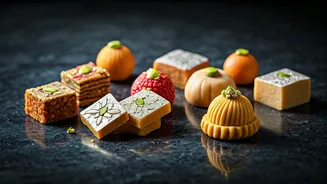
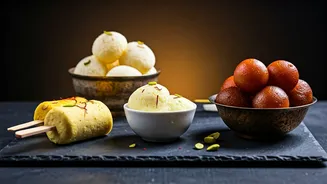
sweets. You knew the players: a bowl of warm, syrupy gulab jamun; a small dish of creamy, cardamom-scented kheer (rice pudding); or perhaps some spongy rasmalai floating in sweetened milk. Delicious in their own right, these classics were often presented as a comforting, but rarely exciting, finale. They were the supporting cast, the dependable character actors in the grand production of an Indian meal. The assumption was that diners were too full for dessert anyway, or that the American palate wasn't ready for the full spectrum of Indian mithai (sweets). The dessert menu was a courtesy, not a destination.
A New Guard Reclaims the Flavors
That old script is being dramatically rewritten. A new generation of Indian-American chefs and restaurateurs, many with formal training in Western pastry arts, are looking at those familiar flavors and seeing a world of possibility. They aren't abandoning their heritage; they're celebrating it with new techniques and a healthy dose of showmanship. Chefs like Surbhi Sahni in New York City have been pioneers, treating Indian sweets with the same reverence as a French pâtissier would a macaron. This new guard understands the fundamentals of a great dessert—balance, texture, temperature, and presentation—and they are applying those principles to the flavors they grew up with. The result is a movement that feels both deeply personal and revolutionary. It’s about taking pride in ingredients like saffron, cardamom, rosewater, and pistachio and proving they belong in the fine-dining dessert canon, not just in the family kitchen.
Remixing the Classics
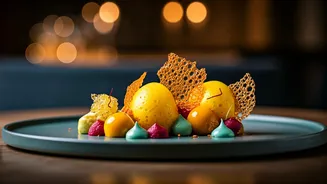
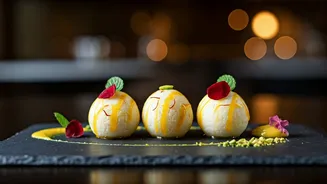
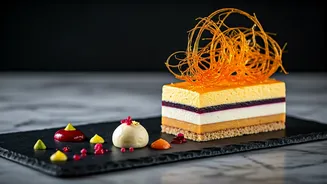
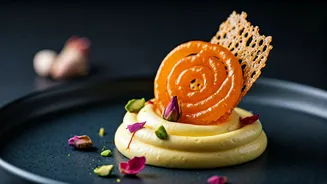
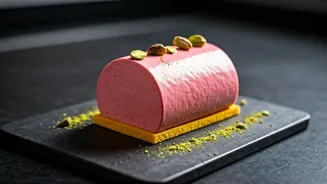
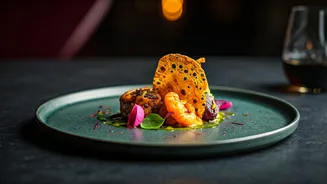
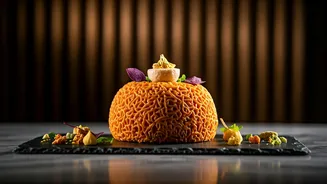
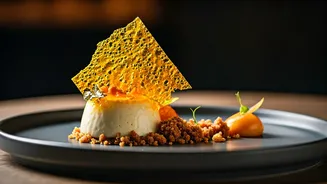
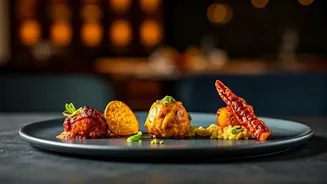
So what does this new “main character energy” look like on a plate? It’s about surprising and delightful reinventions that honor the original while pushing it forward. Instead of a simple scoop of kulfi (traditional Indian ice cream), you might find a kulfi popsicle, elegantly shaped and dipped in chocolate sprinkled with toasted almonds and rose petals. That familiar gulab jamun isn’t just sitting in syrup anymore; it’s being reimagined as the base for a rich, creamy cheesecake, combining the textures of the New York classic with the fragrant sweetness of the Indian original. Restaurants are serving up deconstructed versions of gajar ka halwa (carrot pudding), artfully plated with carrot foam, cardamom soil, and candied nuts. You’ll see masala chai flavors infused into tiramisu, saffron and pistachio notes in a delicate panna cotta, and jalebi, the crispy, syrup-soaked spiral, crushed and used as a crunchy, textural element on a modern plated dessert. It’s a playful, creative, and, most importantly, delicious fusion of worlds.
More Than Just a Sweet Trend
This dessert renaissance is about more than just making food look good for Instagram, though it certainly does. It’s a powerful statement about cultural confidence. For decades, immigrant cuisines in America often had to sand down their edges to be accepted. By elevating dessert, these chefs are proclaiming that every part of their culinary heritage is worthy of the spotlight. They are challenging the very notion of what an “Indian dessert” can be, moving beyond the single note of “sweet” to explore complex flavors—a hint of black salt here, a touch of ginger there, a whisper of chili to balance the sugar. This evolution signifies a new level of maturity in the American food scene, where diners are not just ready for, but actively seeking out, authentic and innovative expressions of global cultures. The dessert menu is no longer an apology or an afterthought; it’s a declaration.