



Step 1: Overhaul Your Drainage
The term 'monsoon' perfectly captures the risk of torrential summer downpours that can quickly turn your beautifully potted plants into a waterlogged mess. Root rot is the number one killer of container plants, and it strikes fast in warm, wet conditions.
Your first task is to ensure every pot has a clear escape route for excess water. Tip each container to confirm its drainage holes aren't clogged with compacted soil or old roots. If a pot lacks holes, this is the time to either drill some or repot the plant into a container that has them. For an extra layer of protection, place 'pot feet' or small blocks under your largest containers. Elevating them even half an inch allows water to drain freely and prevents them from sitting in a puddle on your balcony floor after a storm.
Step 2: Rethink Your Watering Schedule
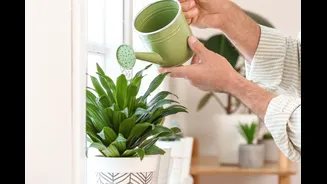
The combination of scorching heat and potential deluges makes watering tricky. A rigid schedule just won't work. On a 95-degree day, a small pot might dry out completely, while a week with several thunderstorms might mean you don't need to water at all. Ditch the calendar and get your hands dirty. The best method is the finger test: stick your index finger two inches into the soil. If it comes out dry, it's time to water. If it's damp, wait another day. When you do water, do it deeply in the early morning, allowing the water to run out of the bottom. This encourages deep root growth and minimizes evaporation. Avoid shallow, frequent watering, which creates weak, vulnerable root systems that can't handle the stress of a hot afternoon.
Step 3: Provide Smart Sun Protection
The same sun that your petunias loved in May can scorch their leaves in June and July. Balconies, especially those with concrete floors and brick walls, can become heat islands, radiating intense warmth long after the sun has set. Observe how the sun moves across your balcony during the hottest part of the day. Plants that prefer less direct light, like ferns, coleus, or hydrangeas, may need to be moved to a shadier corner. If shade is scarce, you can create your own. A simple piece of shade cloth, an adjustable patio umbrella, or even grouping smaller plants behind a large, tough one can provide critical relief from the brutal afternoon sun. This small adjustment can be the difference between a thriving plant and a crispy, sunburnt casualty.
Step 4: Prune for Airflow and Health
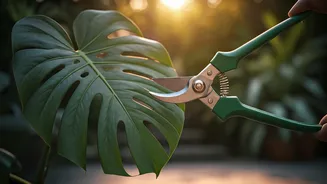
High heat and humidity create a perfect breeding ground for fungal diseases like powdery mildew. A dense, overgrown plant traps moisture and limits air circulation, inviting trouble. Your makeover should include a strategic trim. Snip off any yellowing or dead leaves at their base. Thin out overly dense growth in the center of plants like basil or mint to allow air to move through the foliage. This not only helps prevent disease but also encourages bushier, healthier new growth. While you're at it, inspect the undersides of leaves and stems for common summer pests like spider mites and aphids, which thrive in hot, dry conditions. Catching them early makes them much easier to manage.
Step 5: Adjust Your Feeding Strategy
Summer is a period of active growth, and your plants are hungry. However, feeding them during a heatwave can do more harm than good. When plants are heat-stressed, their roots are less efficient at absorbing nutrients, and concentrated fertilizer can easily burn them. The best approach is to feed 'weakly, weekly.' Use a balanced liquid fertilizer diluted to half or even a quarter of its recommended strength, and apply it after you've already watered the plant thoroughly. This ensures the roots are hydrated and ready to absorb the nutrients without getting scorched. Avoid fertilizing on days when temperatures are expected to soar above 90 degrees. Think of it as giving your plants a light, easily digestible meal rather than a heavy one on a hot day.