




The New Summer Reality
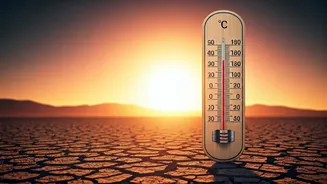
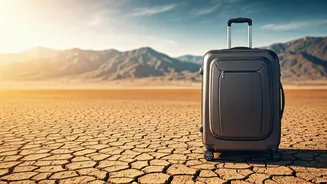
Imagine planning a family trip when the forecast promises temperatures soaring between 110 and 120 degrees Fahrenheit. This is the new reality confronting India’s burgeoning middle class. The country’s peak holiday season, typically from April to June,
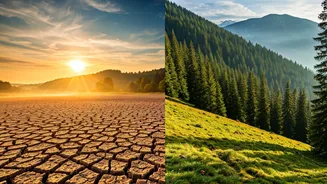
now directly overlaps with its most brutal and increasingly dangerous heatwaves. Major cities like Delhi and Mumbai swelter, and historically popular tourist destinations in plains and coastal regions—think the majestic forts of Rajasthan or the beaches of Goa—have become oppressively hot, turning the idea of a relaxing getaway into a sweltering ordeal. This isn't just about discomfort; it’s a public health crisis colliding with a cultural tradition. The result is a fundamental shift in the national vacation map, driven by a collective desire to simply cool down.
The Great Migration to the Mountains
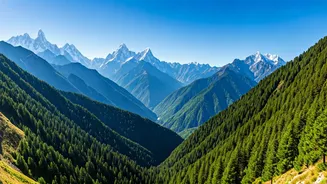
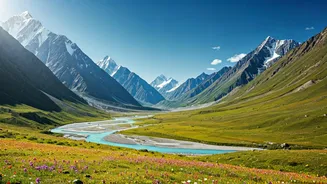
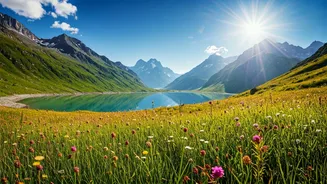
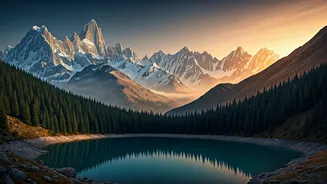
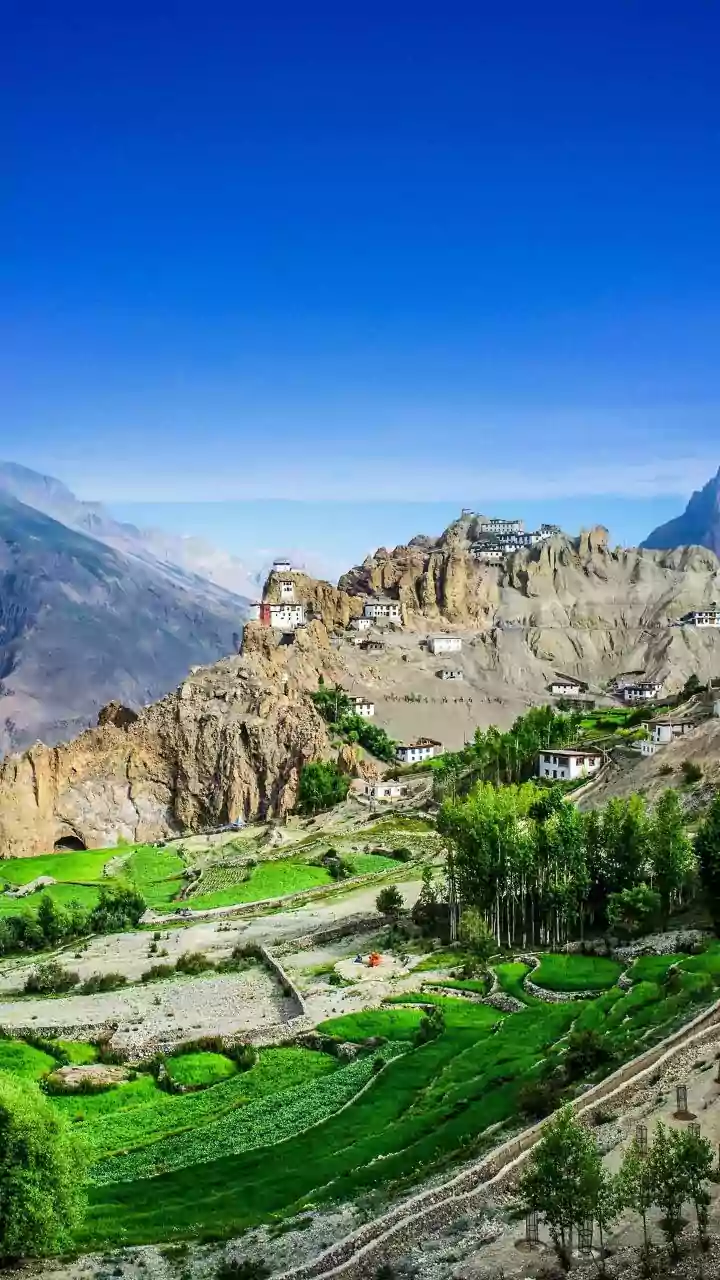
The beneficiaries of this climate-driven shift are India's hill stations. States nestled in the Himalayas, like Himachal Pradesh, Uttarakhand, and the recently opened-up region of Kashmir, are experiencing an unprecedented tourism boom. Once considered off-season or niche destinations for trekkers, towns like Shimla, Manali, and Srinagar are now the primary choice for families seeking refuge from the scorched plains. Travel agencies report a surge of 80-90% in inquiries for mountain destinations, coining terms like “heat-escape holidays” and “cool-cations.” These places offer what the rest of the country can't during summer: crisp mountain air, verdant landscapes, and temperatures that require a light jacket instead of constant air conditioning. For many, the simple act of seeing their breath in the cool morning air has become the ultimate vacation luxury.
An Economic See-Saw
This mass movement is creating a dramatic economic redistribution. While hotels in the mountains are booked solid months in advance and local economies are flooded with tourist dollars, businesses in traditionally popular but now scorching-hot locales are feeling the pinch. A hotelier in Rajasthan might see bookings plummet during their historically busy season, while a guesthouse owner in a small Himalayan village suddenly finds themselves at the center of a gold rush. This creates new opportunities but also significant instability. The infrastructure in many of these mountain towns was never designed for this level of traffic. Airports are overwhelmed, roads are clogged for miles, and local businesses are scrambling to scale up, sometimes at the expense of sustainable practices. The economic boom for some is a logistical nightmare for many.
The Cost of a Cool-Cation
The rush to the mountains is not without serious consequences. These Himalayan regions are ecologically fragile, characterized by delicate ecosystems, limited water resources, and susceptibility to landslides. The sudden explosion of tourist activity is placing an immense strain on the environment. Piles of plastic waste mar scenic landscapes, water tables are depleted to serve a transient population, and hastily constructed hotels and roads destabilize hillsides. This phenomenon, known as overtourism, is particularly dangerous in a region already vulnerable to the effects of climate change. In trying to escape one climate-related problem (heat), tourists are inadvertently contributing to another (environmental degradation in the mountains). Local governments and environmentalists are now grappling with a difficult question: how do you manage the influx without killing the golden goose and destroying the very nature people are coming to see?