







From Pet Owner to Pet Parent
The single biggest driver behind the boom in pet spending isn't a new gadget or a miracle kibble; it's a fundamental shift in our relationship with animals. More and more Americans, particularly Millennials and Gen Z, don't just see themselves as 'pet
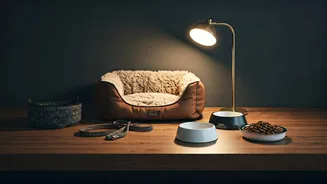
owners.' They identify as 'pet parents.' This isn't just a semantic change—it reframes the entire dynamic. A pet you 'own' lives in the backyard; a pet you 'parent' sleeps in your bed. An owner provides food and shelter; a parent provides wellness, enrichment, and emotional support. This humanization of pets means that expenses once deemed extravagant, like orthopedic beds, anxiety-reducing vests, and curated meal plans, are now viewed as essential components of responsible care. People are having children later in life or not at all, and for many, pets are filling that familial role. When you see your dog or cat as a member of the family, spending on their well-being feels less like an expense and more like an investment in a loved one.
The New Standard of Care
So what does this 'premium' care actually look like on a credit card statement? It’s a market that has expanded far beyond traditional kibble and annual vet check-ups. The new baseline for many includes fresh, human-grade food delivered via subscription services like The Farmer's Dog or Nom Nom. It’s the rise of pet insurance as a non-negotiable monthly bill, providing a safety net against the five-figure costs of increasingly common veterinary specialties like oncology, cardiology, and advanced surgery. Beyond health, the service industry has exploded. Doggy daycare is the new childcare for urban professionals, complete with webcam access for anxious parents. Mobile groomers, behavioral trainers, and dedicated pet photographers are no longer reserved for the ultra-wealthy. Even technology has a piece of the pie, with GPS-enabled collars, automatic feeders that dispense specific portions, and interactive camera toys that let you play with your cat from the office. These aren't one-off splurges; they are recurring, budgeted expenses in millions of U.S. households.
An Economy Built on Puppy Love
This shift is creating a shockingly robust sector of the U.S. economy. The American Pet Products Association (APPA) reported that Americans spent over $136 billion on their pets in 2022, a figure that continues to climb. That’s more than the entire GDP of many small countries. This isn’t just a cottage industry of small businesses, either. Major corporations are taking notice. The candy giant Mars, Inc. isn't just M&M's; it's one of the largest pet-care companies in the world, owning veterinary chains like VCA and Banfield Pet Hospital, as well as pet food brands like Royal Canin. Chewy, the online pet supply retailer, has become an e-commerce titan by offering convenience and a level of customer service that rivals Zappos. This economic boom creates jobs—from veterinarians and vet techs to groomers, food scientists, and software developers designing the next pet-tech gadget. The 'pet economy' is a powerful, recession-resilient market because for most owners, cutting back on their pet's care is the absolute last resort.
The Emotional and Financial Weight
While the trend is fueled by love, it comes with significant pressure. The expectation to provide premium care can create financial strain and emotional distress. When a vet presents treatment options costing thousands of dollars, the decision is rarely just a financial one; it’s a deeply emotional calculus. This has made pet insurance feel less like a choice and more like a necessity. The downside is that it adds another monthly bill to household budgets that are already squeezed by inflation. For those who can't afford the new standard—whether it's a $100 bag of prescription food or a $5,000 surgery—the guilt can be immense. The democratization of premium care has also, inadvertently, created a new kind of class divide in the pet world, where the ability to pay can feel like a measure of one's love and responsibility.