




What Exactly Is Raw Mango?
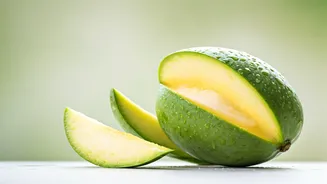
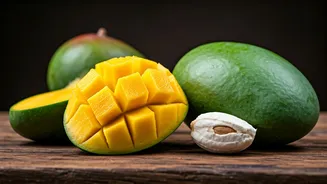
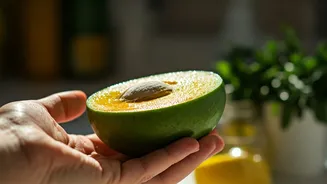
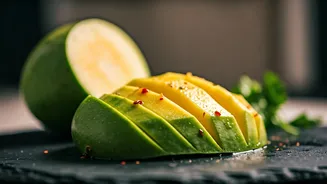
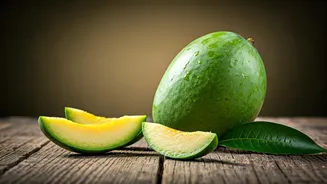
Before you can cook with it, you have to understand it. A raw mango isn’t a specific variety, but rather any mango before it ripens. While a ripe mango is soft, sweet, and floral, a raw mango is its polar opposite: firm, crunchy, and bracingly sour. Its
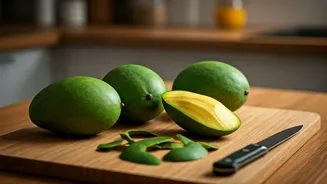
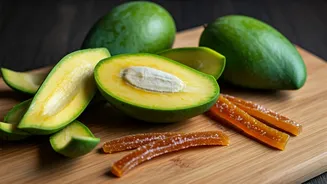
flesh is pale, almost white or light green, and its flavor is pure, clean acidity, sometimes with a subtle resinous note near the skin. Think of the difference between a green tomato and a red one, or a green banana and a yellow one. This unripe state is precisely where its magic lies. When shopping, look for fruit that is uniformly green, rock-hard to the touch, and feels heavy for its size. You’ll typically find them in Indian, Southeast Asian, or Latin American grocery stores, especially during the spring and summer months.
The Ultimate Salad and Slaw Upgrade
The easiest and perhaps most thrilling way to experience raw mango is to eat it, well, raw. Its crisp, apple-like texture makes it a natural for salads and slaws. The classic example is the Thai green mango salad, known as *Som Tum Mamuang*, a riot of shredded mango, peanuts, chiles, and a pungent fish sauce dressing. But you don't need a formal recipe. Simply julienne or grate a raw mango and toss it with shredded carrots, red onion, and cilantro for a vibrant slaw. Dress it with a simple lime-and-honey vinaigrette. The mango’s tartness does most of the work, providing a refreshing counterpoint that is perfect alongside grilled fish, shrimp tacos, or a heavy barbecue.
A Powerhouse for Pickles and Chutneys
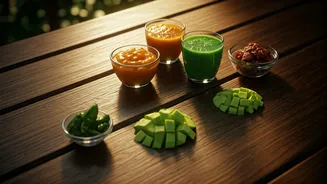
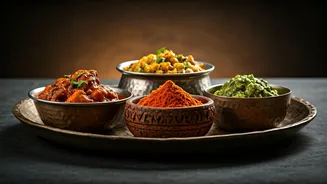
In India, the arrival of raw mango season means one thing: pickles. Known as *achar*, these intensely flavored condiments are a cornerstone of the cuisine. Cubes of raw mango are sun-dried and brined with salt, oil, and a potent mix of spices like mustard seed, fenugreek, and chili powder. The result is a pickle that lasts for months, delivering a complex bomb of sour, spicy, and salty flavor with every bite. If a full-blown pickle project feels too daunting, a simple raw mango chutney is your answer. Just blend chunks of raw mango with fresh mint, cilantro, a green chili, and a touch of sugar. This quick, uncooked chutney is an incredible accompaniment to roasted meats, samosas, or even just spread on a sandwich.
The Secret to Sharper Drinks
That same sour power makes raw mango a fantastic base for refreshing beverages. In Northern India, a popular summer cooler called *aam panna* is made by boiling or roasting raw mangoes, then blending the soft pulp with sugar, black salt, and roasted cumin. Diluted with cold water, it’s a sweet, savory, and tangy drink designed to combat blistering heat. For a modern twist, you can create a raw mango shrub. Macerate grated raw mango with sugar for a day or two to draw out the juices, then strain and add a splash of apple cider vinegar. This sweet-and-sour syrup is a brilliant foundation for non-alcoholic spritzers (just add sparkling water) or as a unique component in a gin or vodka cocktail.
A Bright Note in Hearty Mains
While it shines in raw preparations, raw mango is also a formidable cooking ingredient. Its acidity functions much like lemon juice or vinegar, cutting through richness and balancing flavor. In Southern Indian and Southeast Asian curries, chunks of raw mango are often added to lend a distinct sourness that tamarind or tomatoes can’t quite replicate. A Keralan fish curry with raw mango is a regional classic, where the fruit’s tartness perfectly complements the fresh seafood and creamy coconut milk. You can also slip thin slices into lentil dishes (*dal*) during the last few minutes of cooking to brighten the whole pot. It tenderizes and adds a subtle tang, turning a simple, everyday dish into something memorable and deeply comforting in its sharpness.