





Beyond the African Plains
For decades, the word “safari” has been virtually synonymous with Africa. From the Serengeti to the Kruger, the continent has rightfully owned the image of epic wildlife viewing. Yet, halfway around the world, in the Indian state of Rajasthan, a different
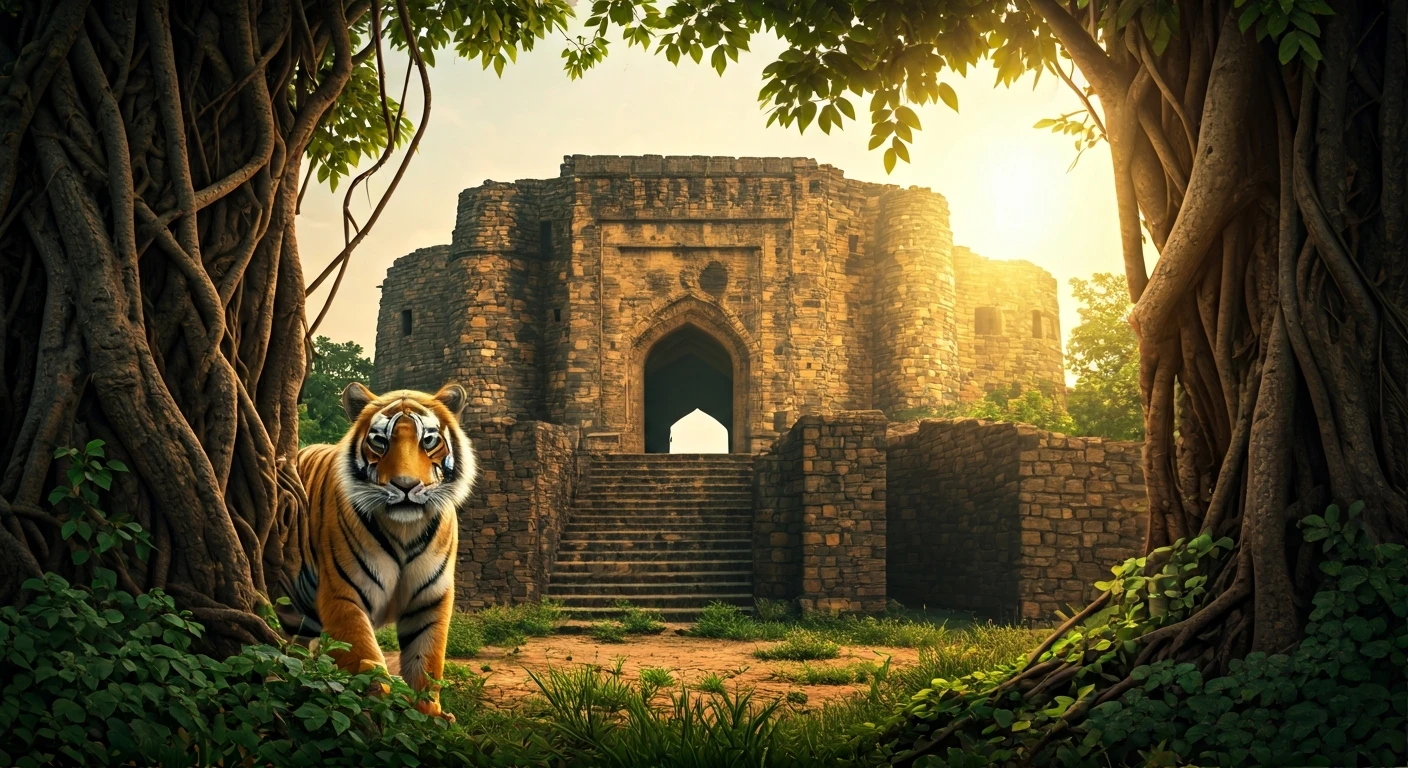
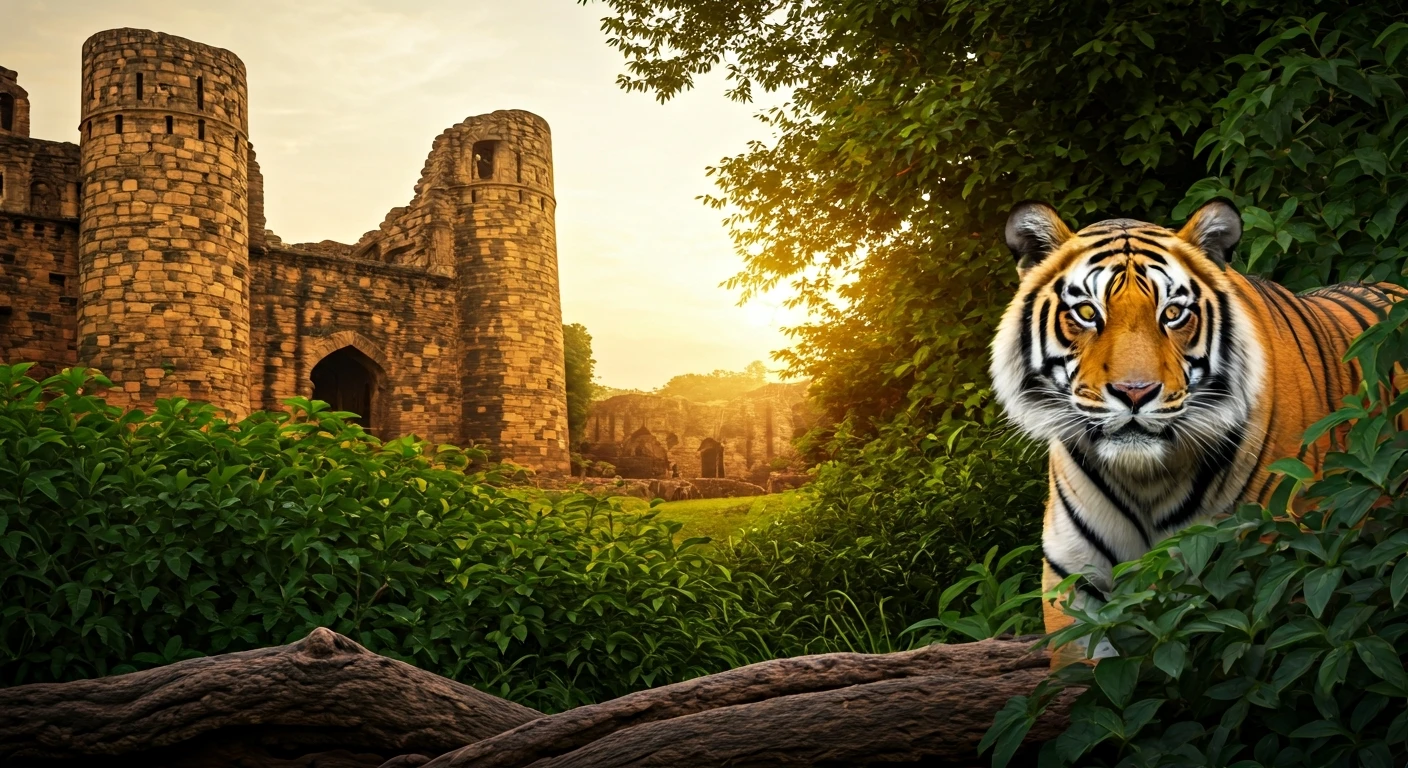
kind of kingdom offers an experience so unique and compelling it challenges the very definition of a classic safari. This is Ranthambore National Park, a former royal hunting ground that has become one of the best places on Earth to see the majestic Bengal tiger in its natural habitat. Here, the landscape isn’t endless plains, but a dramatic tapestry of rugged forests, deep gorges, and shimmering lakes, all watched over by the silent ramparts of a 1,000-year-old fort.
In Search of the Striped King
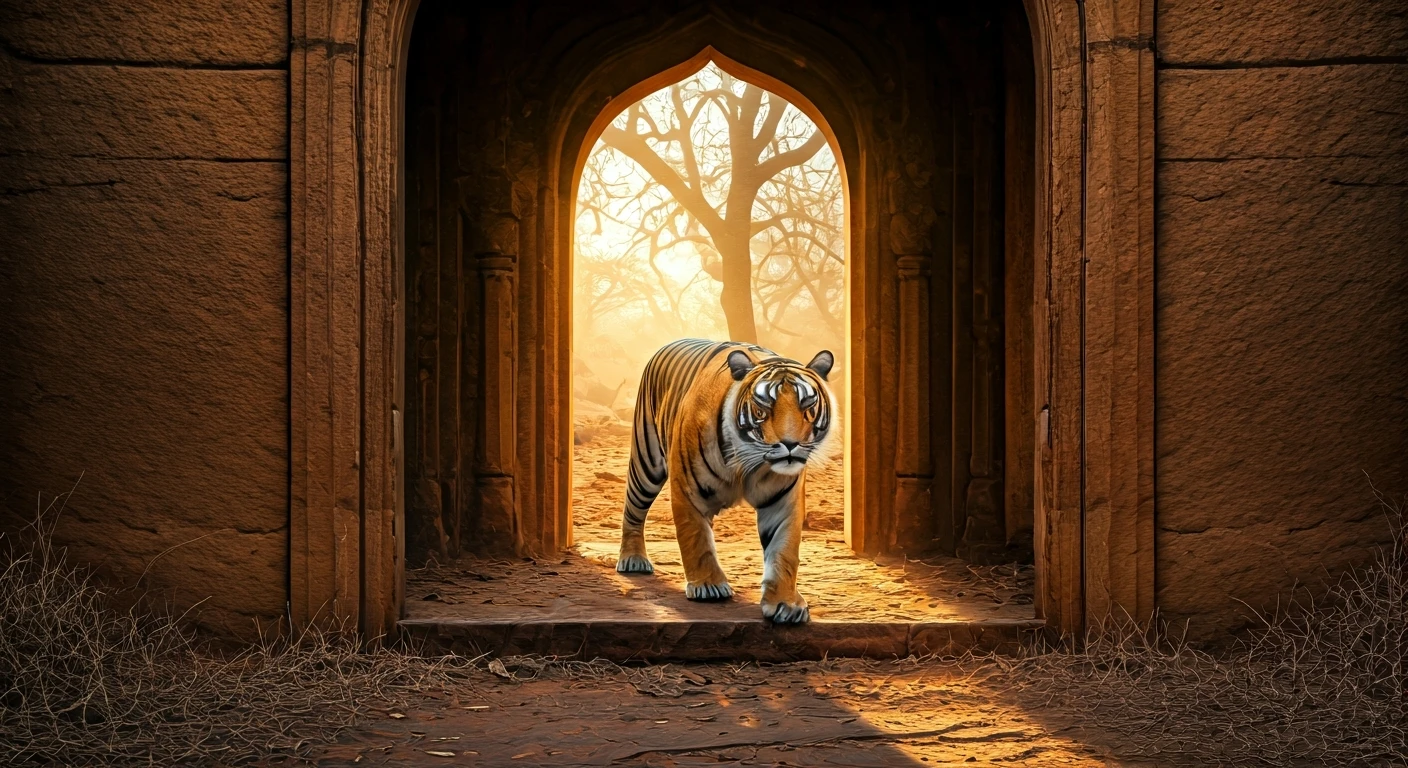
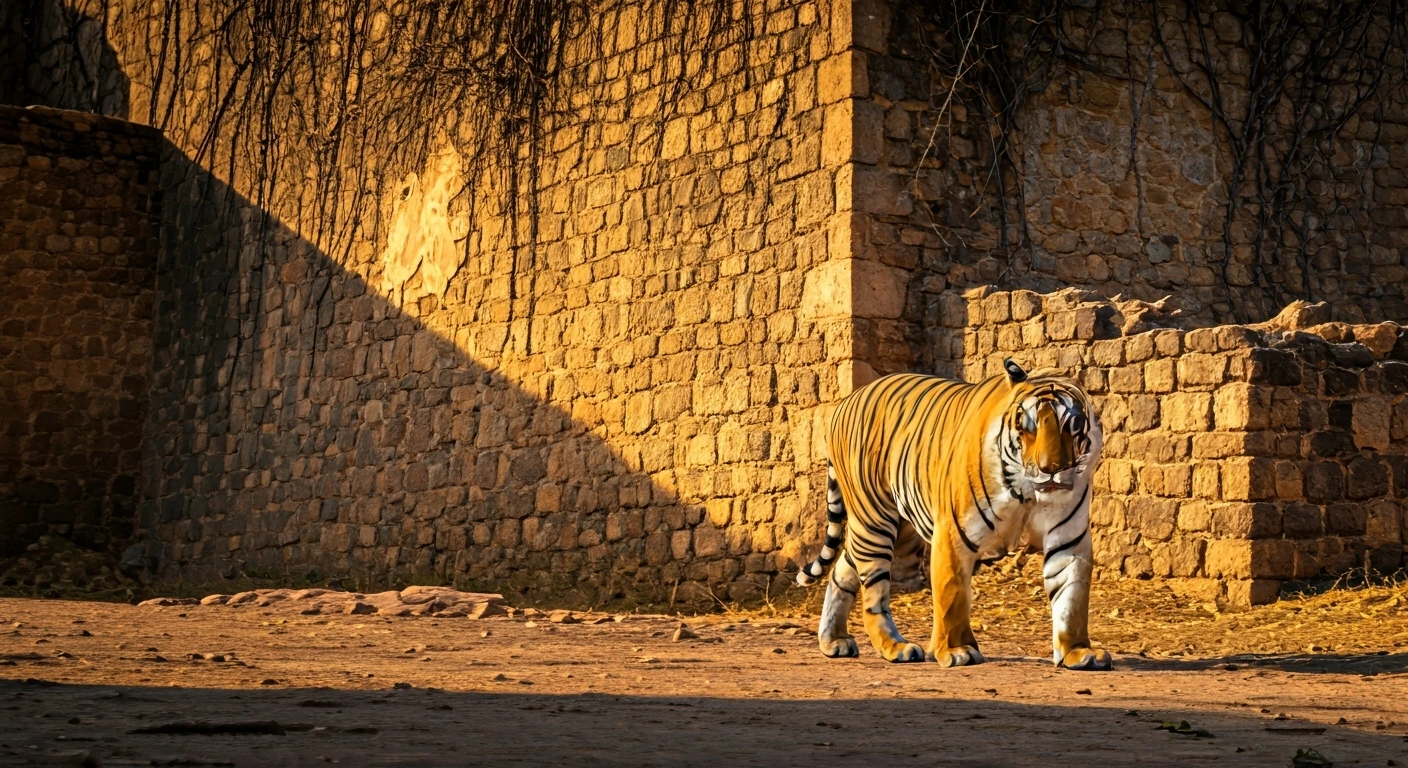
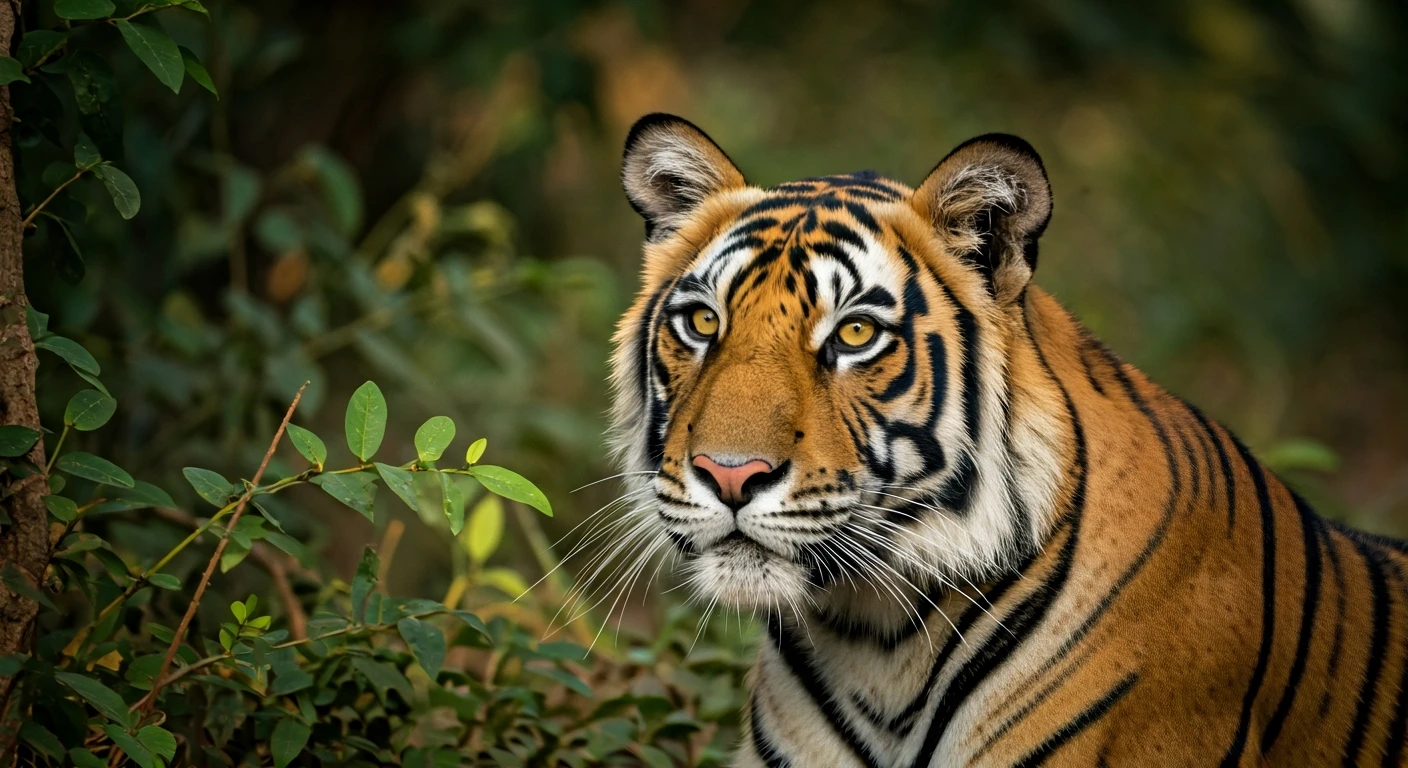
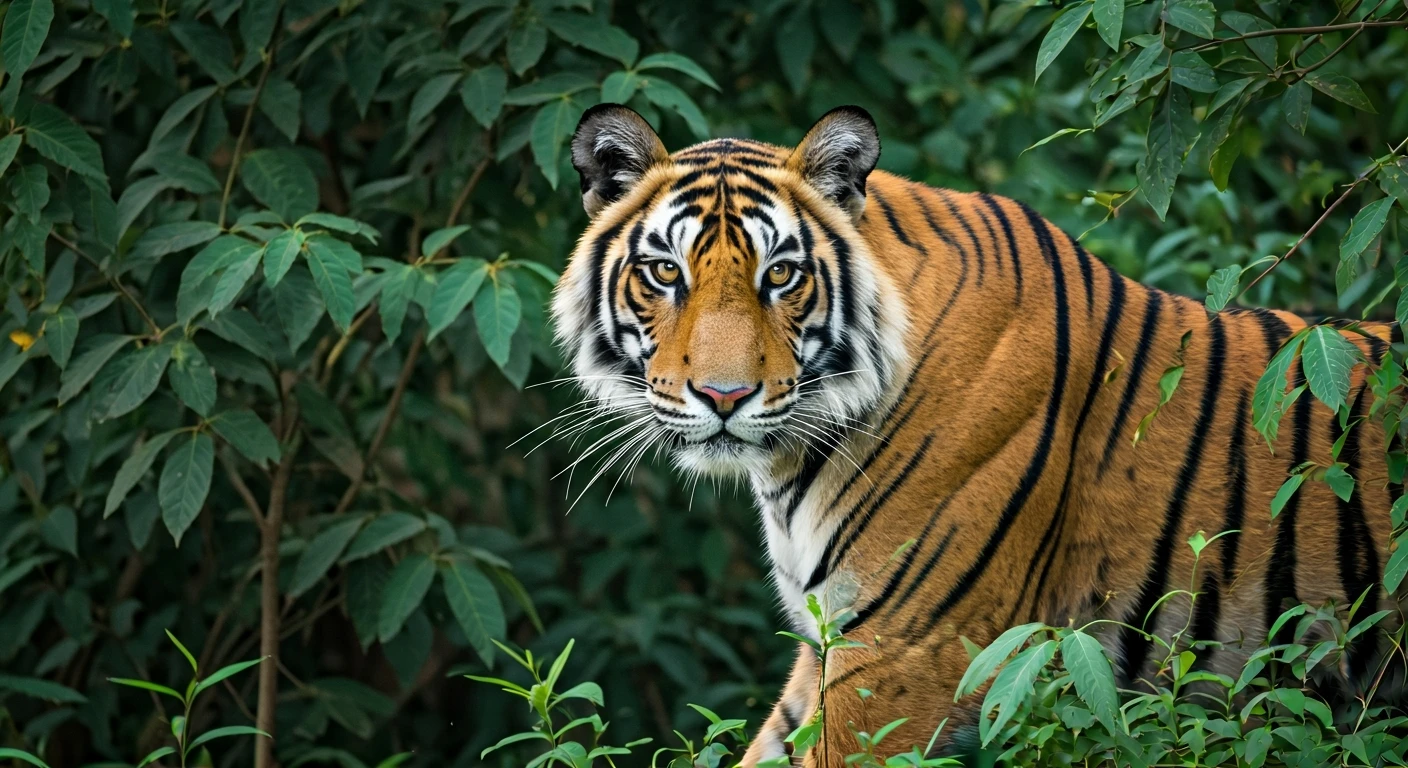
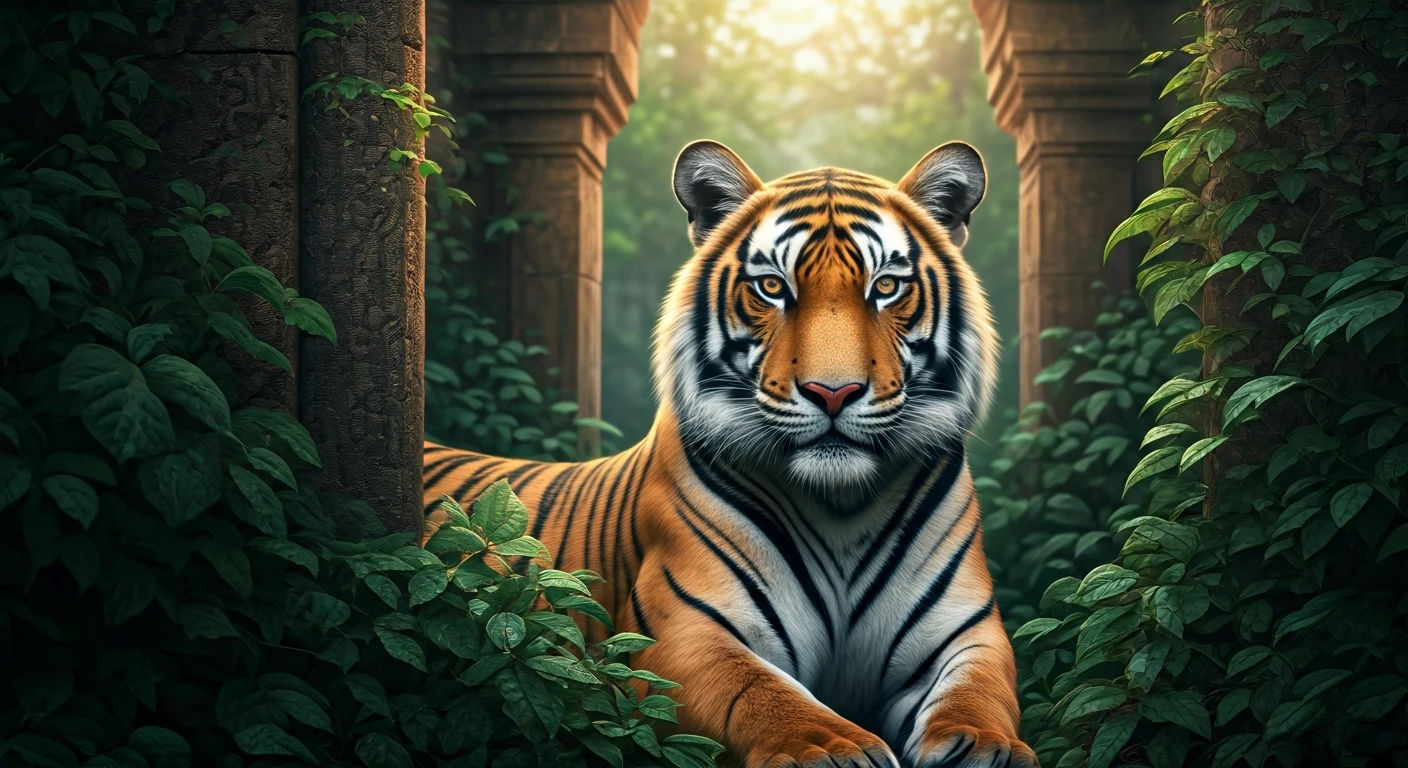
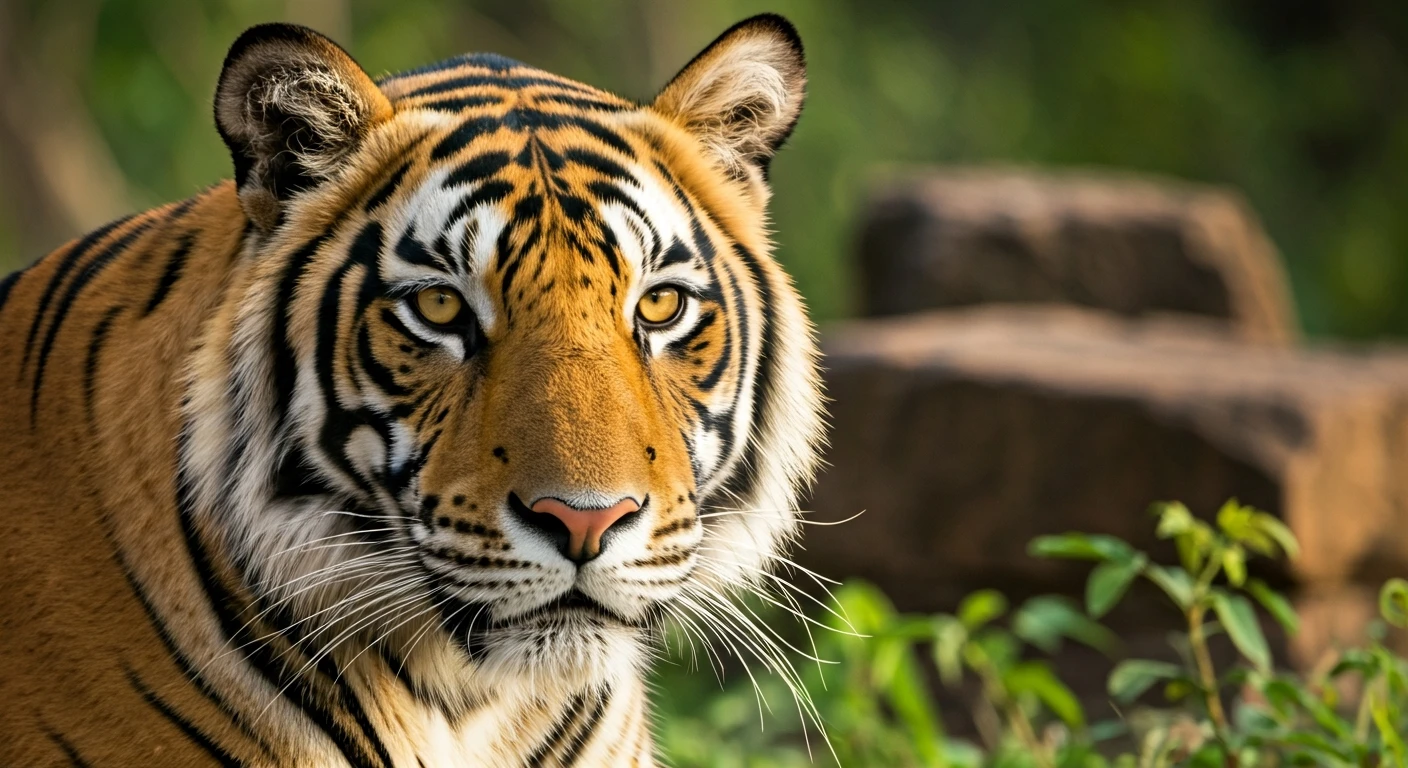
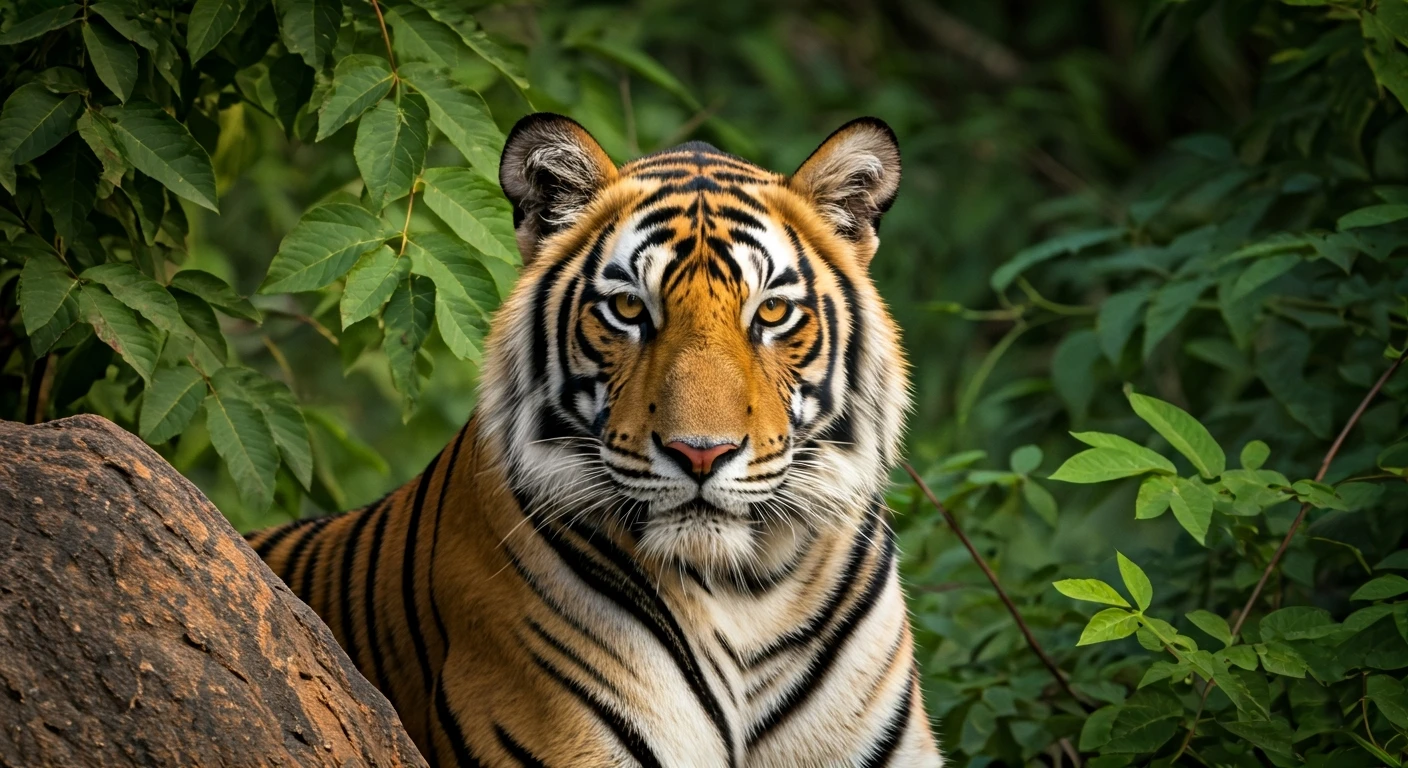
Let’s be clear: the star of Ranthambore is the tiger. While an African safari is often about the sheer quantity of game—herds of wildebeest, towers of giraffes, pods of hippos—an Indian safari is a more focused, thrilling pursuit. The experience is less about passive observation and more about an active search. In open-air vehicles called Gypsys, you follow the jungle’s own alarm system. The sharp, panicked call of a sambar deer or the frantic chattering of langur monkeys in the trees above are tell-tale signs that a predator is on the move. Every snapped twig and distant roar sends a jolt of adrenaline through the vehicle. Seeing a tiger here feels earned. When one finally emerges from the dense foliage—a flash of orange and black, muscles rippling—the moment is intensely personal and unforgettable. And while tigers are the main draw, the park is also home to leopards, sloth bears, marsh crocodiles, and a rich diversity of birdlife, ensuring that the search is always as rewarding as the sighting.
A Safari Through History
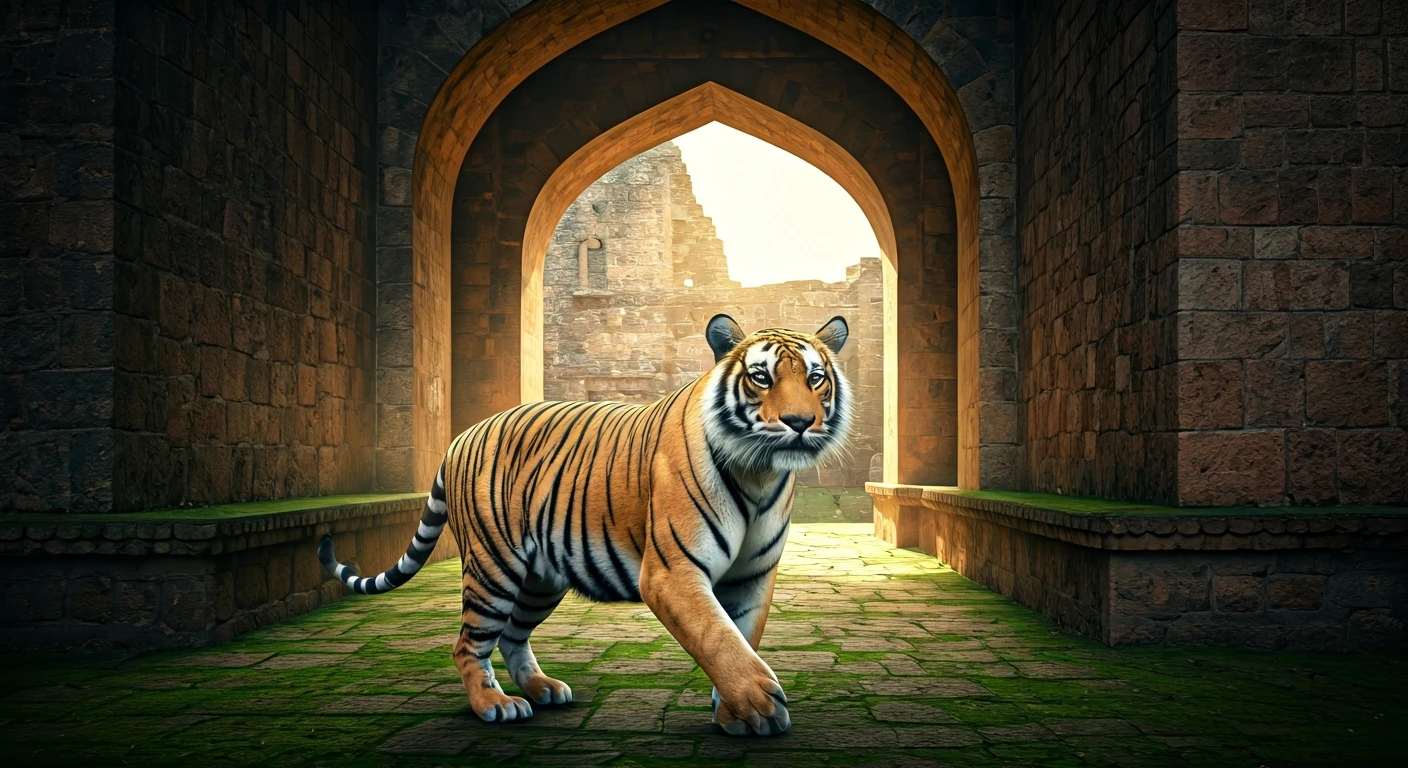
What truly sets Ranthambore apart from any other wildlife park on the planet is its history. At the heart of the park, perched atop a 700-foot cliff, is the formidable Ranthambore Fort, a UNESCO World Heritage Site. Its ancient gates, crumbling temples, and abandoned chhatris (cenotaphs) are scattered throughout the park’s core. This means your safari drive isn’t just a nature tour; it’s a journey through time. A tiger may be seen lounging on the steps of an old hunting pavilion, or a leopard might peek out from the walls of the ancient fortress. The landscape tells a story of maharajas, conquests, and centuries of human history now reclaimed by the wild. It’s an ethereal, almost cinematic experience—like driving through the real-life ruins that inspired “The Jungle Book,” half-expecting to see Mowgli himself. This fusion of monumental history and vibrant wildlife creates a sense of place that is profoundly unique to India.
Planning Your Indian Adventure
Unlike the often-remote fly-in camps of Africa, Ranthambore is surprisingly accessible. It’s a popular stop for travelers exploring India’s famed “Golden Triangle” of Delhi, Agra (home of the Taj Mahal), and Jaipur. The best time to visit is during the dry season, from October to April, when water sources are fewer, and animals are more frequently spotted at the park’s lakes. A range of accommodations, from luxurious tented camps that echo the style of the maharajas to comfortable modern hotels, surrounds the park, catering to different budgets. The safari experience itself is tightly regulated to protect the wildlife, with zones and routes assigned to distribute visitors and minimize impact. Booking safaris well in advance is crucial, as permits are limited and in high demand. But the effort pays off with an adventure that feels both raw and regal, wild and wonderfully civilized.