


The Umami Bomb in the Spice Box
In kitchens across America, a quiet revolution is taking place, led by a generation of young Indian and Indian-American home cooks. They are reaching for a staple of the Japanese pantry—miso—and introducing it to the foundational dishes of their heritage.
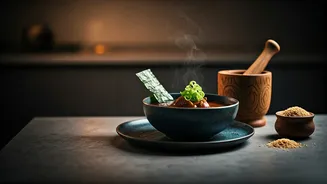
The result is a thrilling collision of flavors: miso-tamarind rasam that sings with savory depth, dal makhani enriched with a nutty, fermented complexity, and even marinades for paneer and chicken that get a powerful umami boost from a spoonful of white or red miso. This isn't about replacing the holy trinity of ginger, garlic, and onion; it's about adding a fourth dimension. Miso, a fermented soybean paste, brings a profound, savory 'fifth taste'—umami—that traditionally comes from slow-cooked onions, tomatoes, or lentils. By adding miso, these cooks are finding a shortcut to depth and a new layer of flavor that feels both radical and strangely intuitive.
This Isn't Your Parents' Fusion
The term 'fusion cuisine' might conjure images of the 1990s, with its often-clumsy attempts to smash disparate culinary worlds together, like tandoori chicken pizza or curry pasta. This new movement is different. It’s less formal, more organic, and driven not by professional chefs in fine-dining establishments but by everyday people in their own homes. This is pantry-fusion, born from globally stocked grocery stores and the endless scroll of TikTok and Instagram. When a young cook who grew up eating dal but also loves ramen sees a container of miso in their fridge, the question isn't 'Is this authentic?' but 'Would this taste good?' This approach is less about creating a new, rigid cuisine and more about a fluid, personal cooking style where ingredients are chosen for their flavor potential, not their passport.
The Gen Z Kitchen Mindset
This trend is inextricably linked to the Gen Z and younger millennial mindset. As a digitally native generation, they have been exposed to a world of food cultures through a screen from a young age. They’ve watched YouTube tutorials on making kimchi, followed TikTokers perfecting birria tacos, and read blogs deconstructing the science of sourdough. For them, ingredients like gochujang, tahini, and miso aren't exotic—they're just tools in the culinary toolkit. This generation approaches tradition with both reverence and a playful irreverence. They understand the rules of their grandmother's chicken curry, which gives them the confidence to know which ones they can break. The goal isn't to erase the past, but to build upon it, creating dishes that reflect their own multicultural reality and, just as importantly, look great in a social media post.
Why It Just Works
The success of this pairing isn't random; it's rooted in flavor science. Indian cuisine is a masterclass in balancing complex flavors: spicy, sour, sweet, and bitter. Miso introduces a powerful savory baseline that enhances all the other notes. The salty, earthy funk of a dark miso can stand up to the boldest spices in a vindaloo, while the sweeter, milder notes of a white miso can add a creamy depth to a korma or a simple lentil soup. Think of it like a secret weapon. A small amount dissolved into a broth or sauce doesn't make the dish taste 'Japanese'; it makes it taste more intensely of itself. It rounds out the edges, deepens the background notes, and creates a richness that might otherwise take hours of simmering to achieve. It’s a natural partner for the intricate tapestry of Indian spices, providing a savory canvas on which the other flavors can pop.