

The Enduring Allure
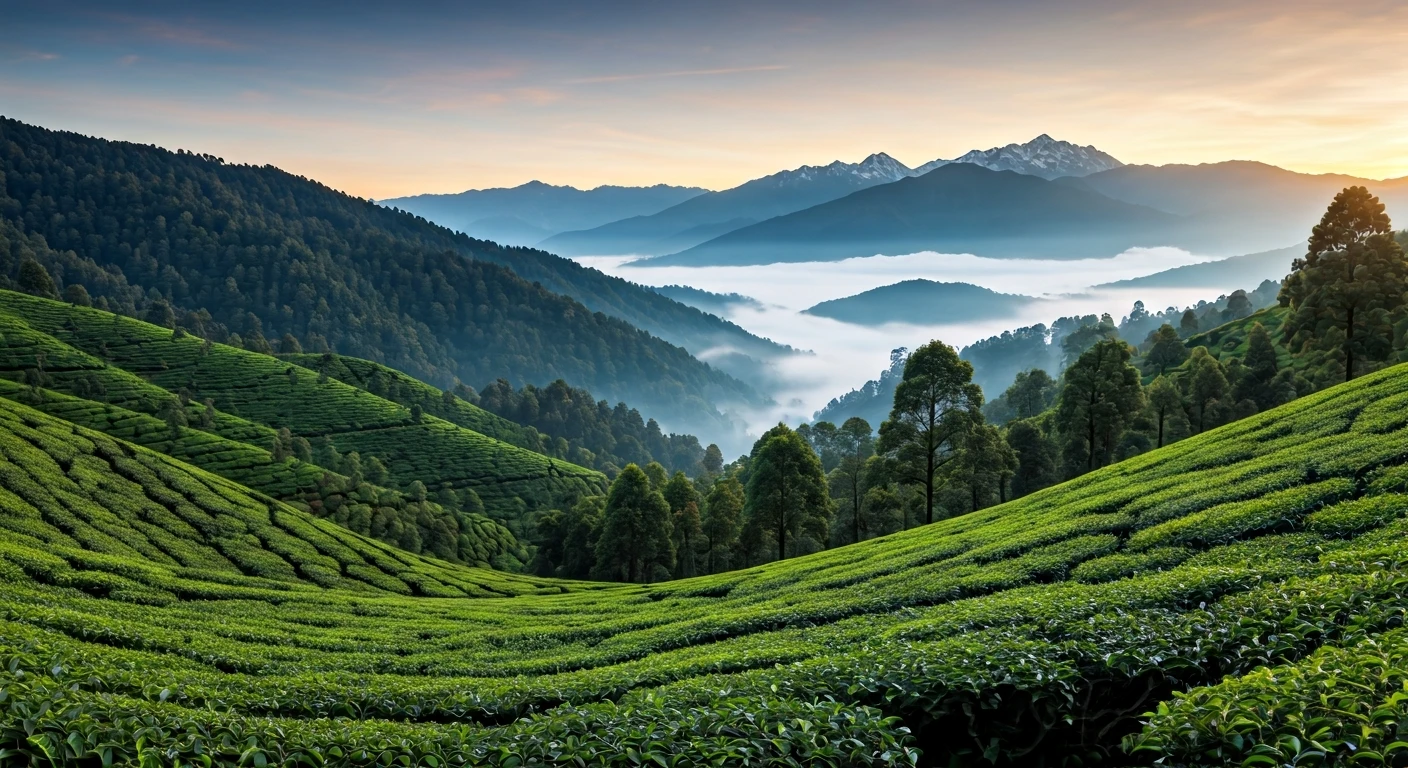
Perched in the Himalayan foothills of West Bengal, India, Darjeeling has long held a mythical status. Known as the “Queen of the Hills,” it was established as a sanatorium by the British in mid-19th century, a cool-climate escape from the sweltering plains
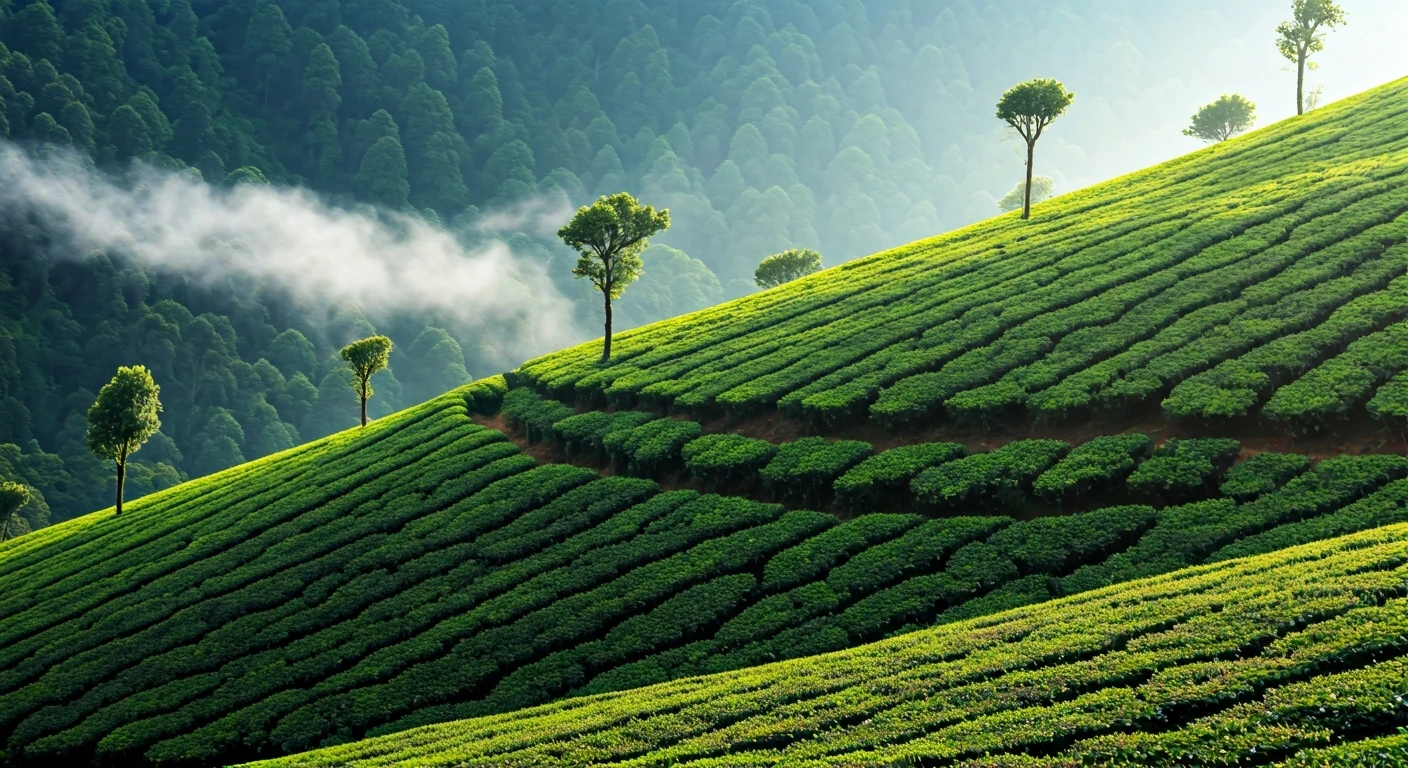
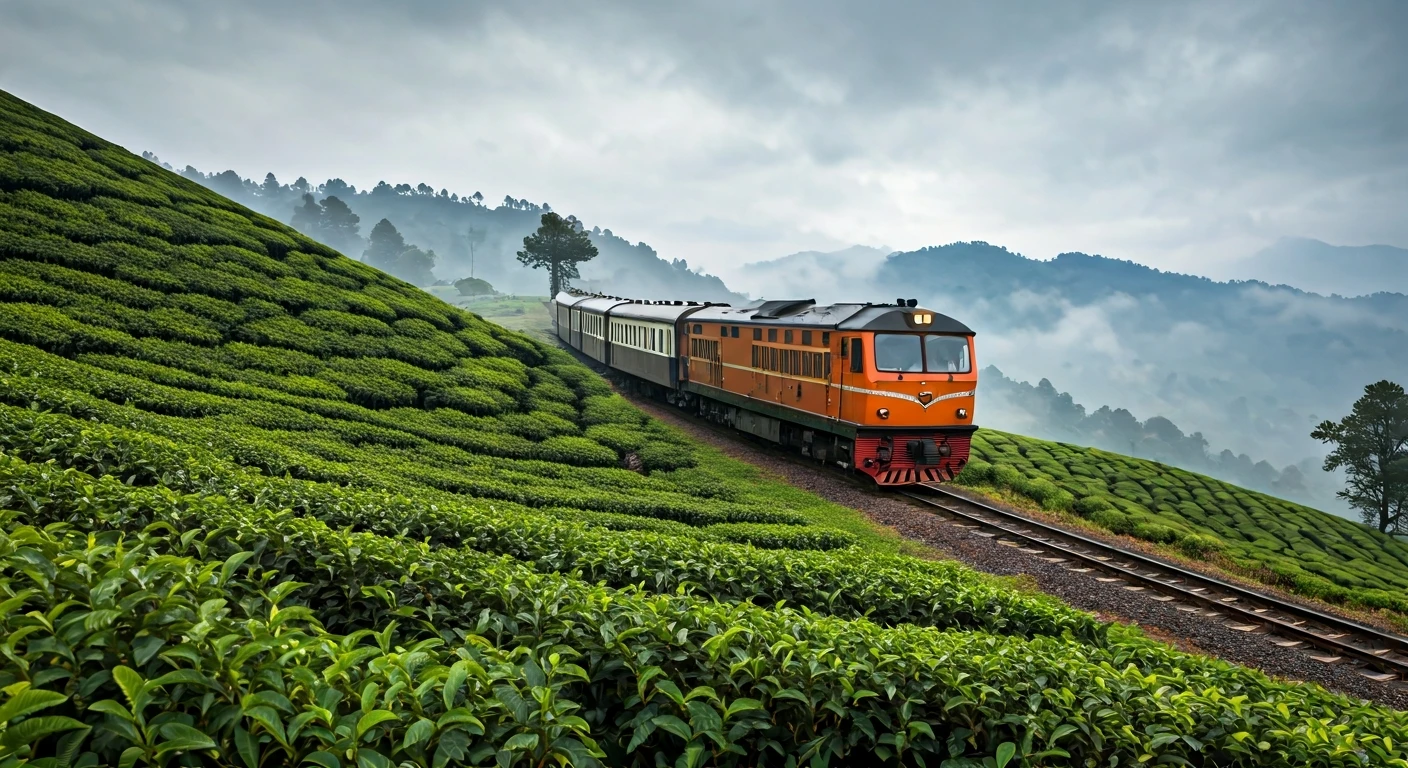
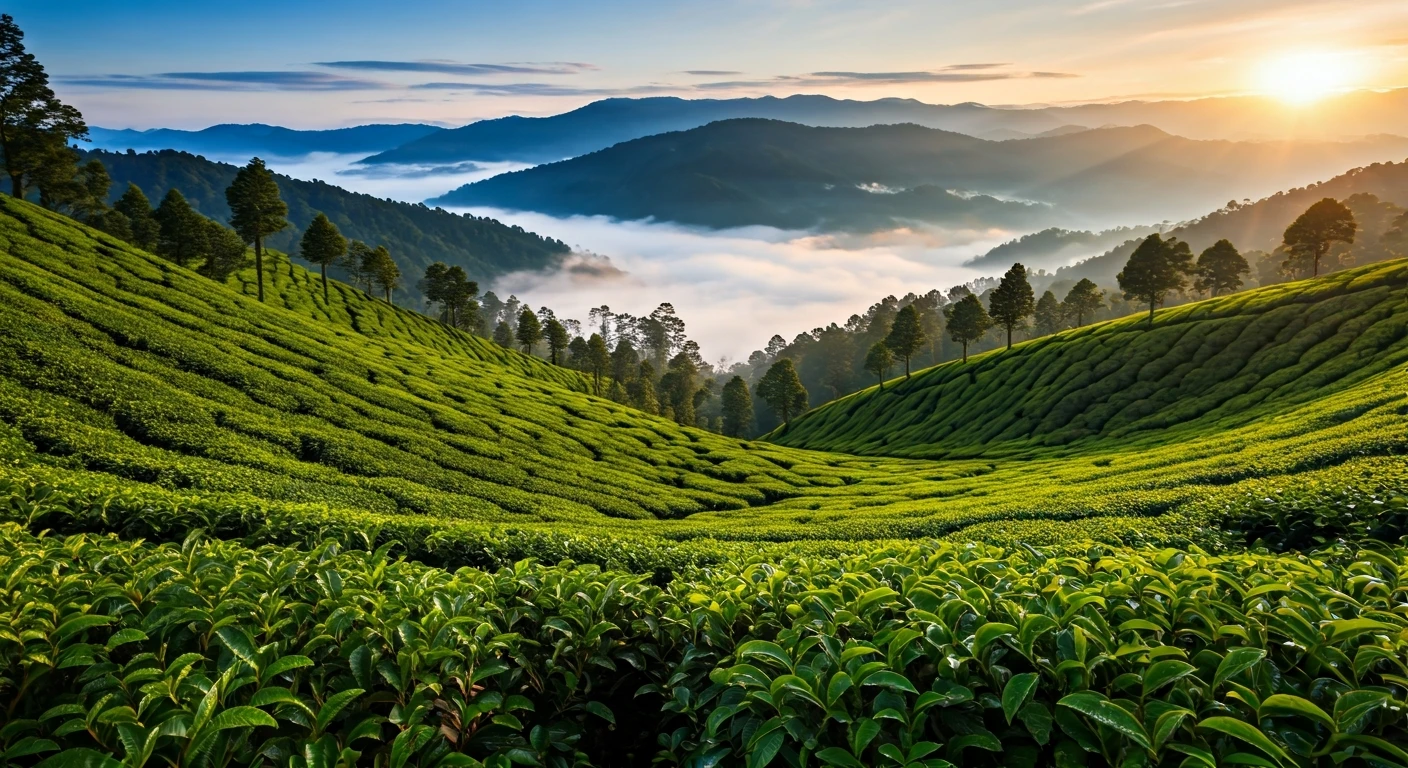
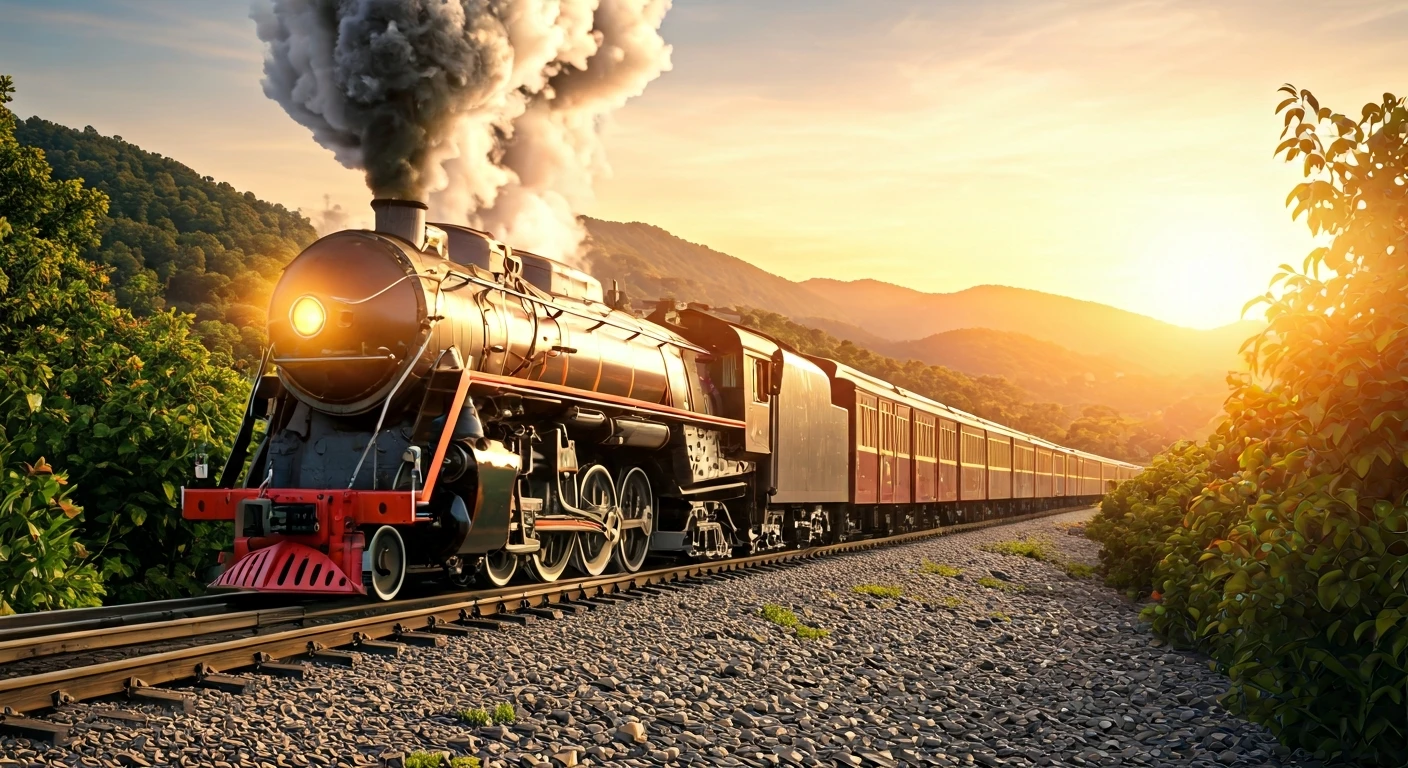
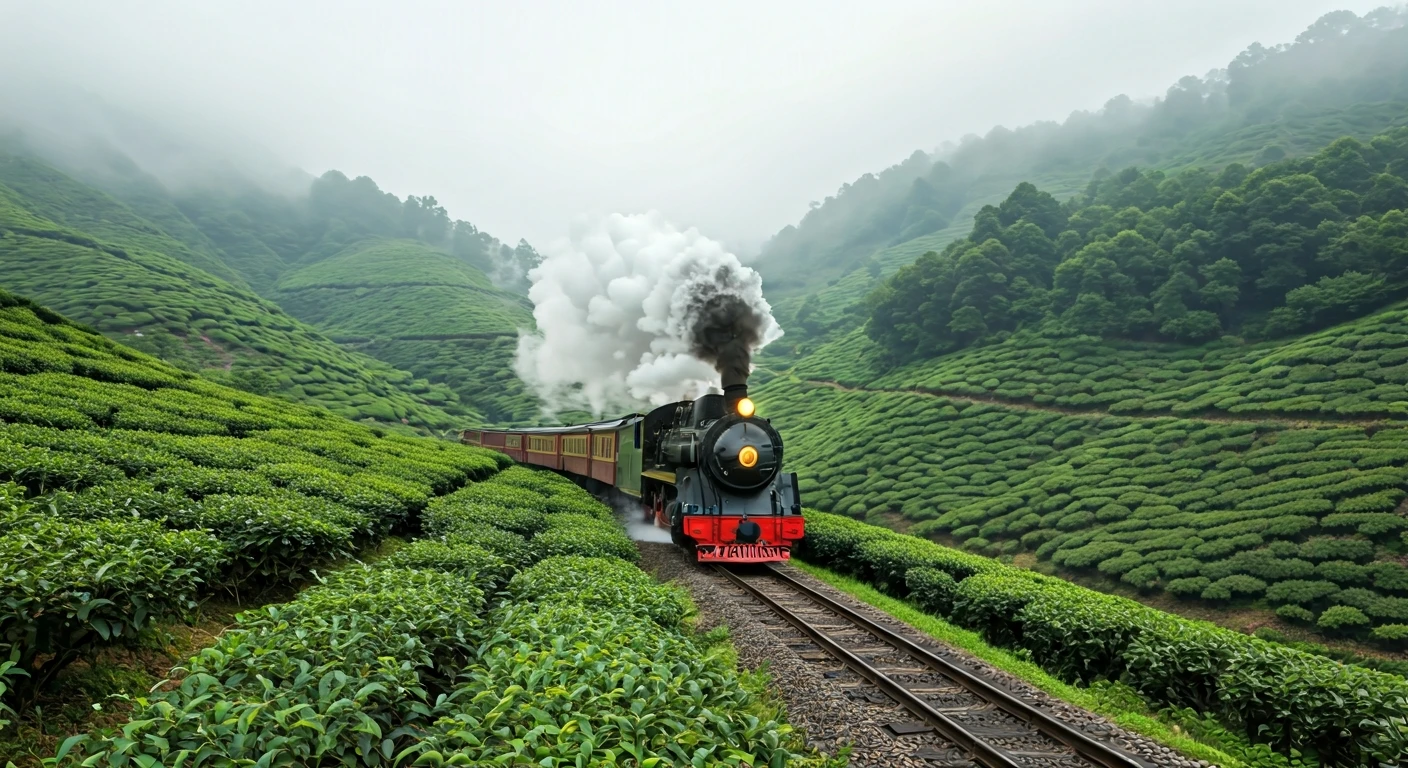
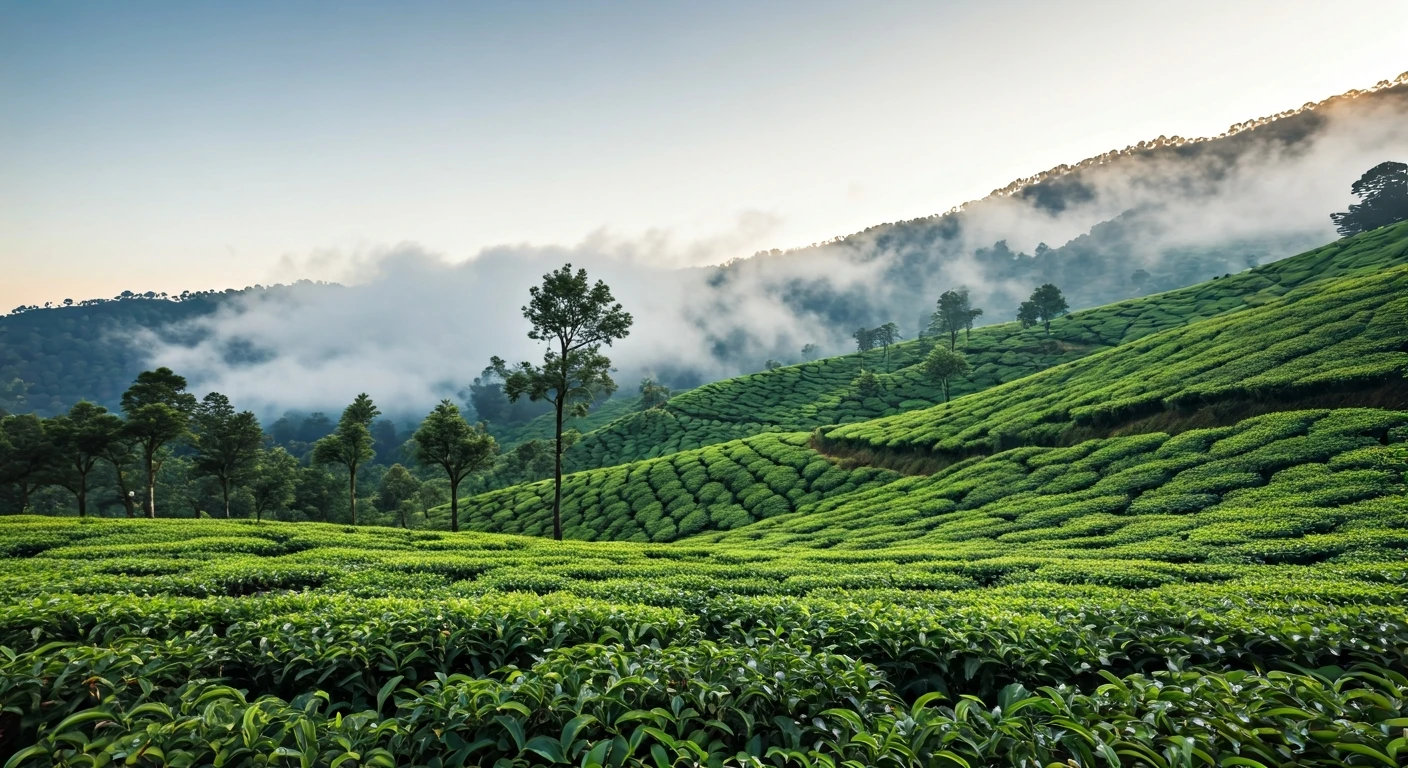
of Calcutta. The colonial legacy is still etched into its landscape, visible in the gabled rooftops, Victorian-era buildings, and the manicured tea estates that cascade down the mountainsides like green waterfalls. For decades, it was a primary stop on the well-trodden tourist trail, a place to see the sunrise over Kangchenjunga, the world's third-highest peak, and to ride the charming, UNESCO-recognized Darjeeling Himalayan Railway, affectionately known as the “Toy Train.” But over time, political unrest and the rise of other, more accessible destinations saw its star fade for many international travelers.
A Comeback Fueled by Quiet
Now, something is shifting. In the wake of a global pandemic that rewired our travel priorities, Darjeeling’s particular brand of tranquility is resonating once again. This isn't a loud, flashy comeback; it's a quiet one, driven by travelers seeking slowness and substance over fleeting spectacle. The appeal isn't a party scene or a luxury resort checklist. Instead, it’s the profound sense of peace that comes from watching clouds drift below you from Observatory Hill, or the simple ritual of sipping a cup of first-flush tea while wrapped in a woolen shawl. After years of being overstimulated, travelers are seeking destinations that offer a chance to disconnect from digital noise and reconnect with the natural world. Darjeeling, with its patchy Wi-Fi and its focus on mountain vistas and long walks, is perfectly positioned for this new era of contemplative travel.
The Champagne of Teas
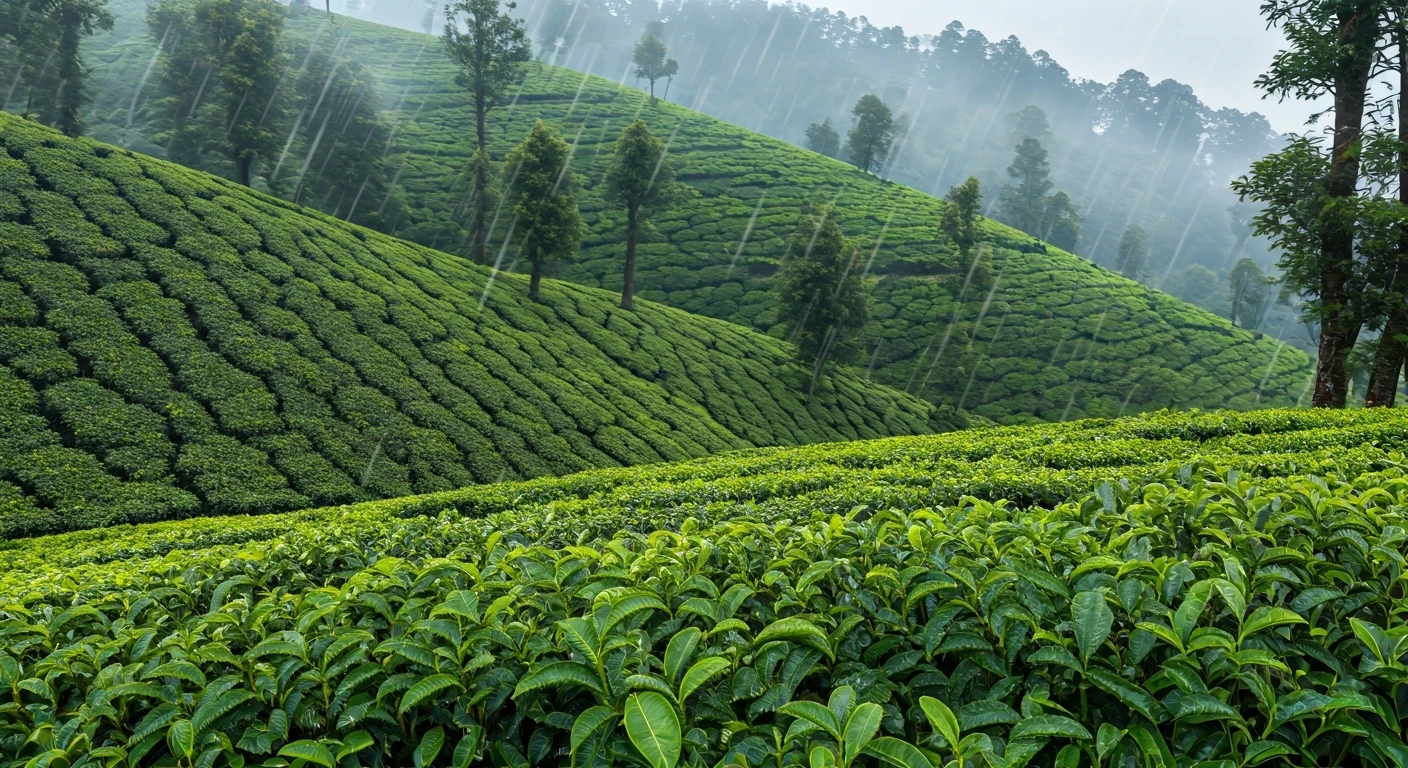
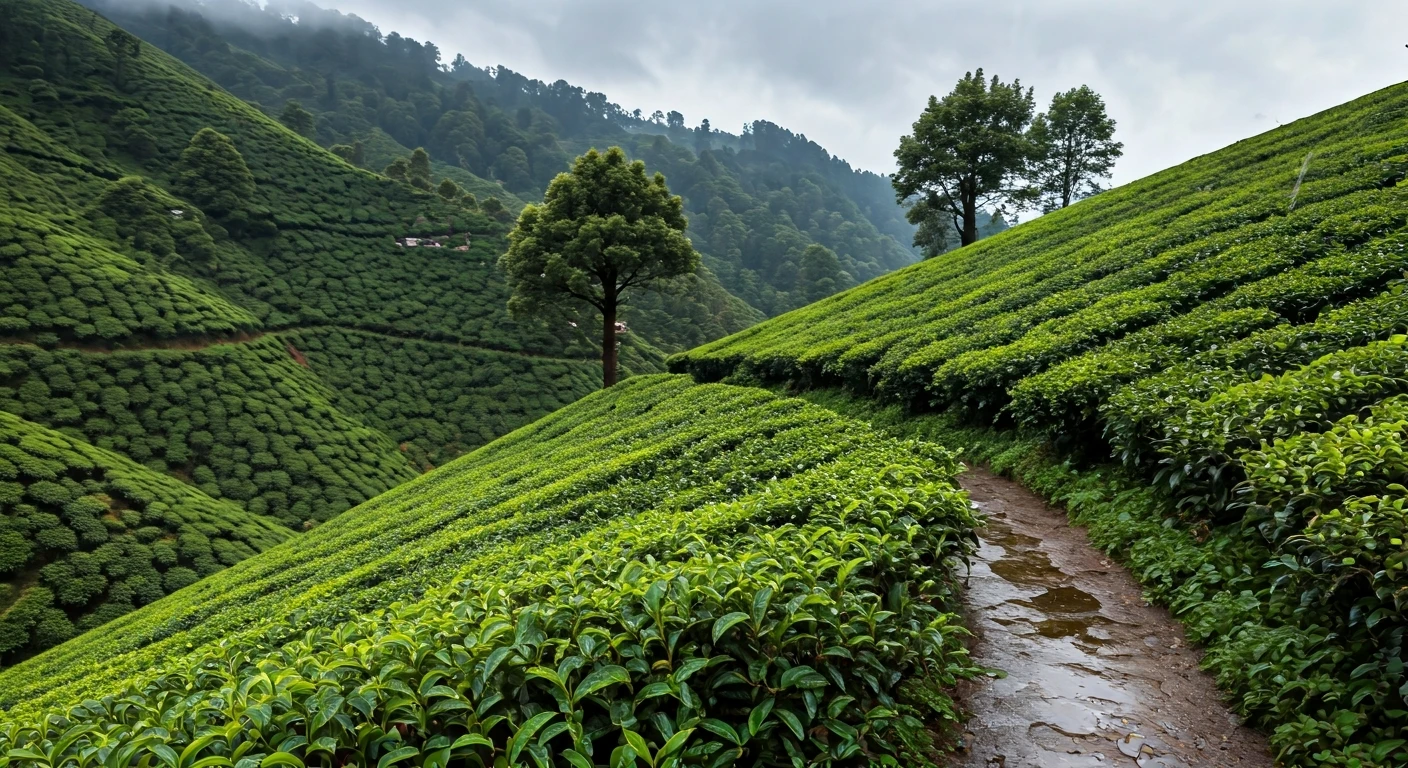
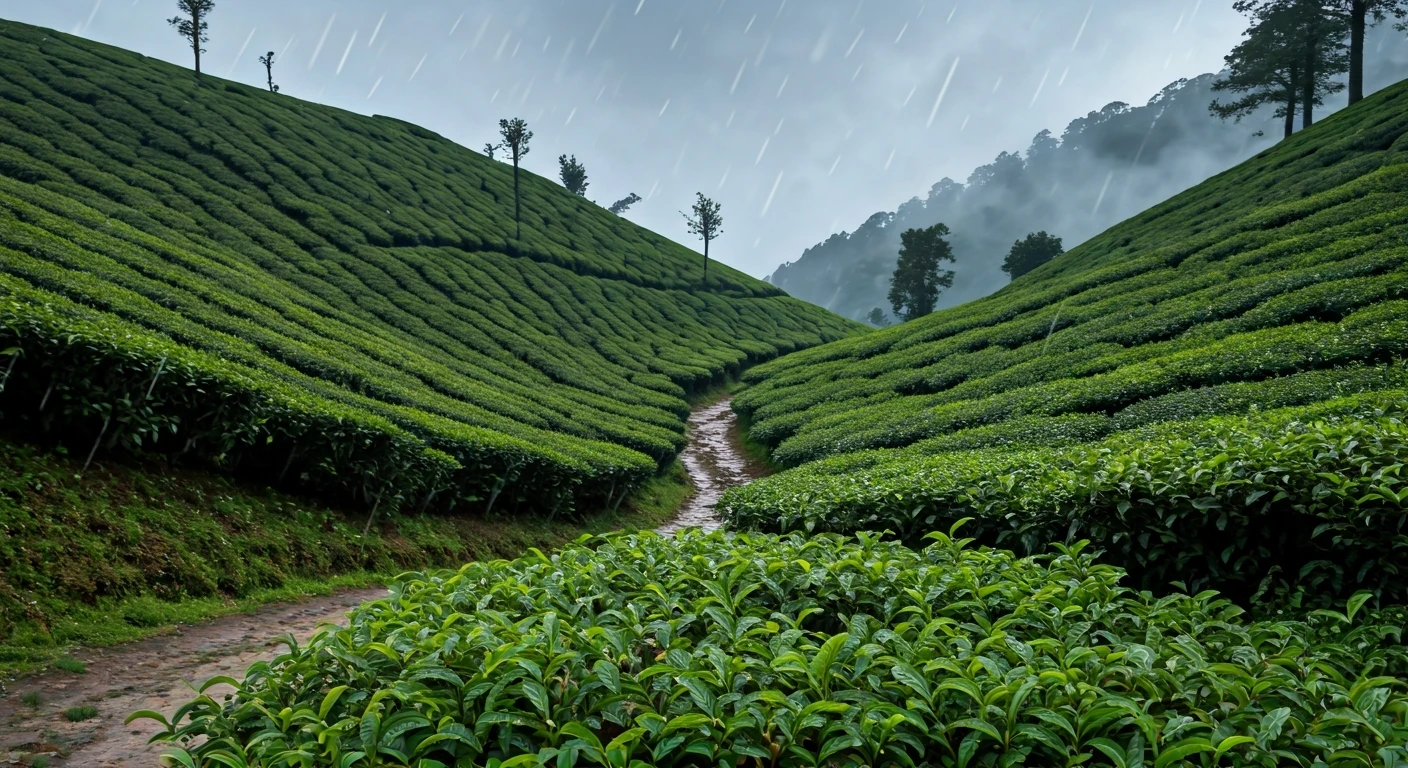
You can’t talk about Darjeeling without talking about its tea. This is the home of the “champagne of teas,” a muscatel-flavored brew so prized that its name is geographically protected. A visit here isn't complete without a tour of a tea estate like Glenburn or Makaibari. Here, you can walk through the vibrant green fields where tea pluckers, mostly women, deftly gather the leaves, their baskets strapped to their heads. The process is an art form, from the withering and rolling of the leaves to the careful firing that locks in their delicate flavor. A guided tasting reveals the dramatic difference between the flushes: the light, floral first flush of spring; the more robust, fruity second flush of summer; and the rich, mellow autumnal flush. It’s an experience that transforms a simple beverage into a story of place, climate, and incredible human skill.
Beyond the Tea Cup
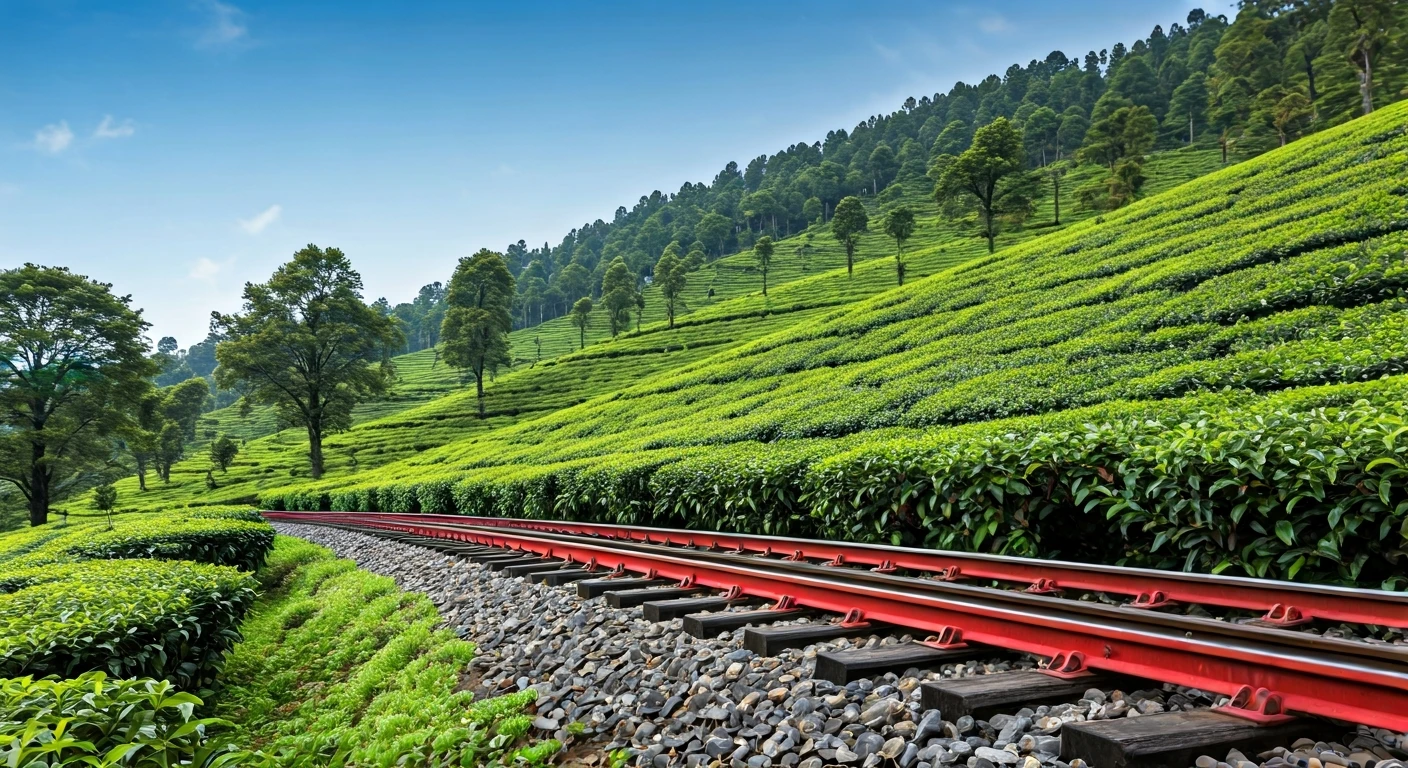
While tea is the soul of Darjeeling, the town offers more than just a good brew. A ride on the Toy Train is a journey back in time. The tiny steam engine chugs slowly up steep gradients, navigating impossibly tight turns like the famous Batasia Loop, which offers a panoramic view of the town and its mountain backdrop. The Ghoom Monastery, one of the oldest in the region, houses a towering statue of the Maitreya Buddha and is filled with the low hum of chanting monks and the scent of incense and butter lamps. For the more adventurous, the surrounding hills offer spectacular trekking routes, including the Singalila Ridge trek, which provides some of the most stunning, uninterrupted views of four of the world’s five highest peaks. The town itself is a vibrant mix of cultures—Nepali, Tibetan, Bengali—reflected in its food, its faces, and its bustling markets.