




The End of the ‘No Days Off’ Vacation
Remember the old playbook for staying fit while traveling? It often involved military-grade planning. It meant researching hotels based on the quality of their weight room, stuffing running shoes into an already overpacked suitcase, and setting a 6 a.m.
alarm in a different time zone to replicate your exact at-home workout. This mindset was a direct extension of the “hustle culture” that dominated the last decade—the idea that progress requires relentless, uninterrupted effort, with no room for rest, even on vacation. This all-or-nothing approach created a cycle of pressure and guilt. If you completed your workout, you felt virtuous but possibly exhausted and resentful of the time lost. If you skipped it, a cloud of failure could hang over a day meant for relaxation and discovery. The vacation became just another venue for performance, with your fitness goals competing directly against the spontaneity and joy of travel.
The New Era: Integration Over Interruption
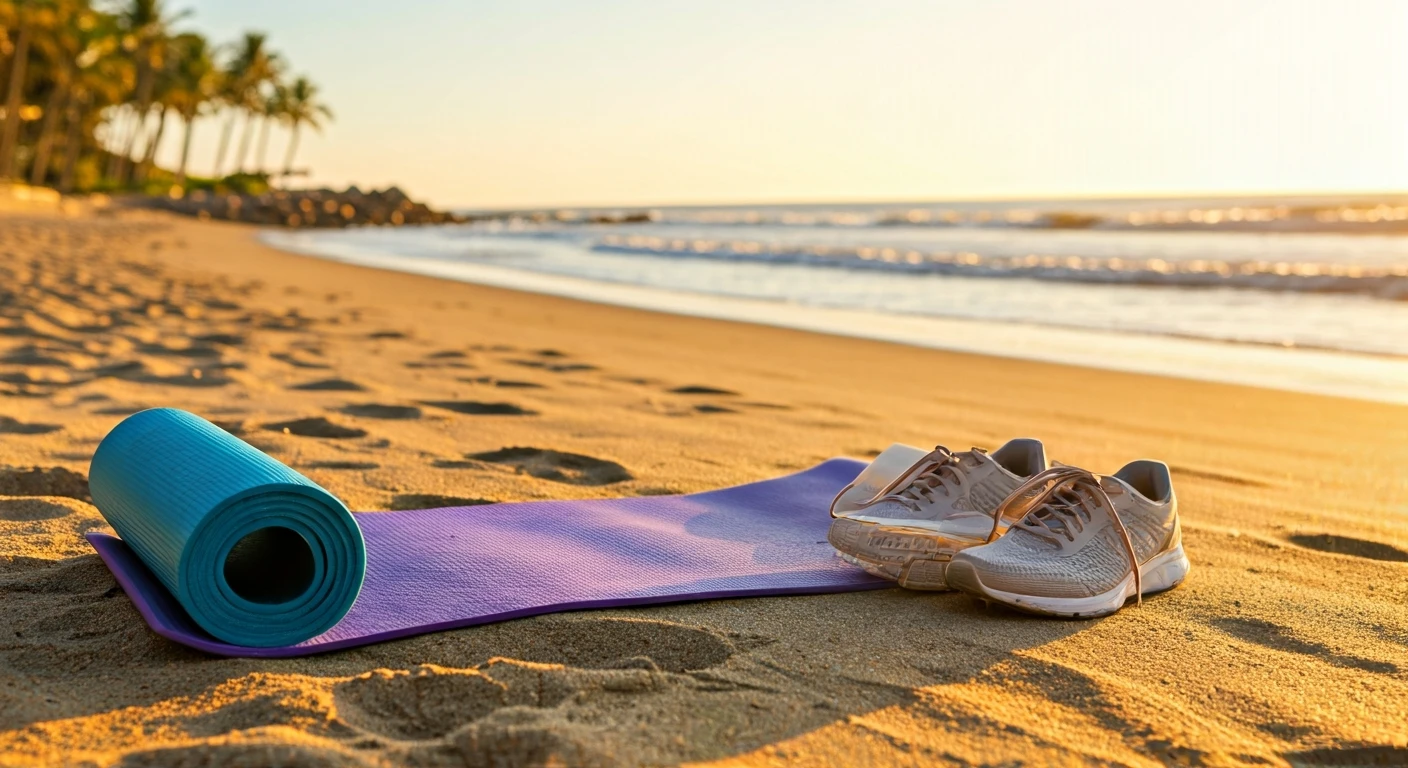
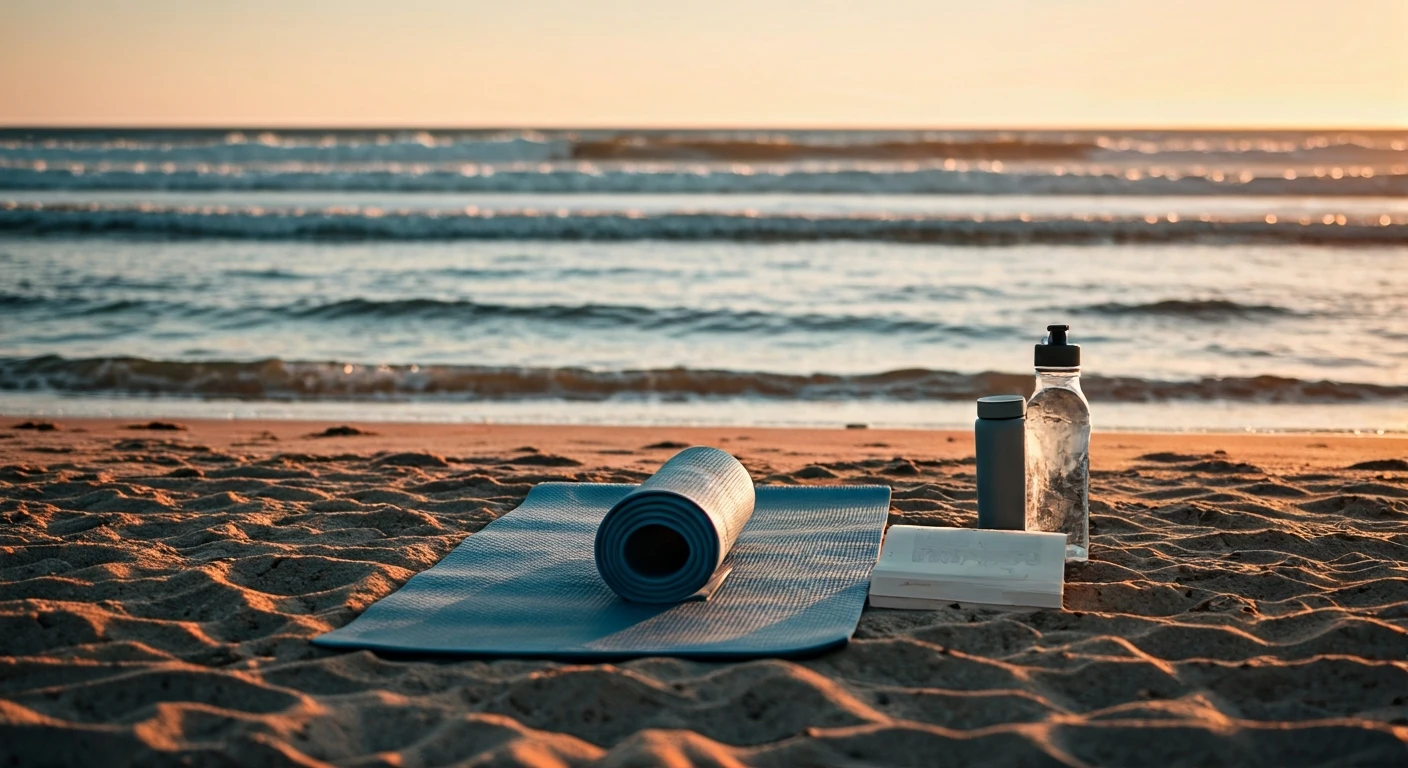
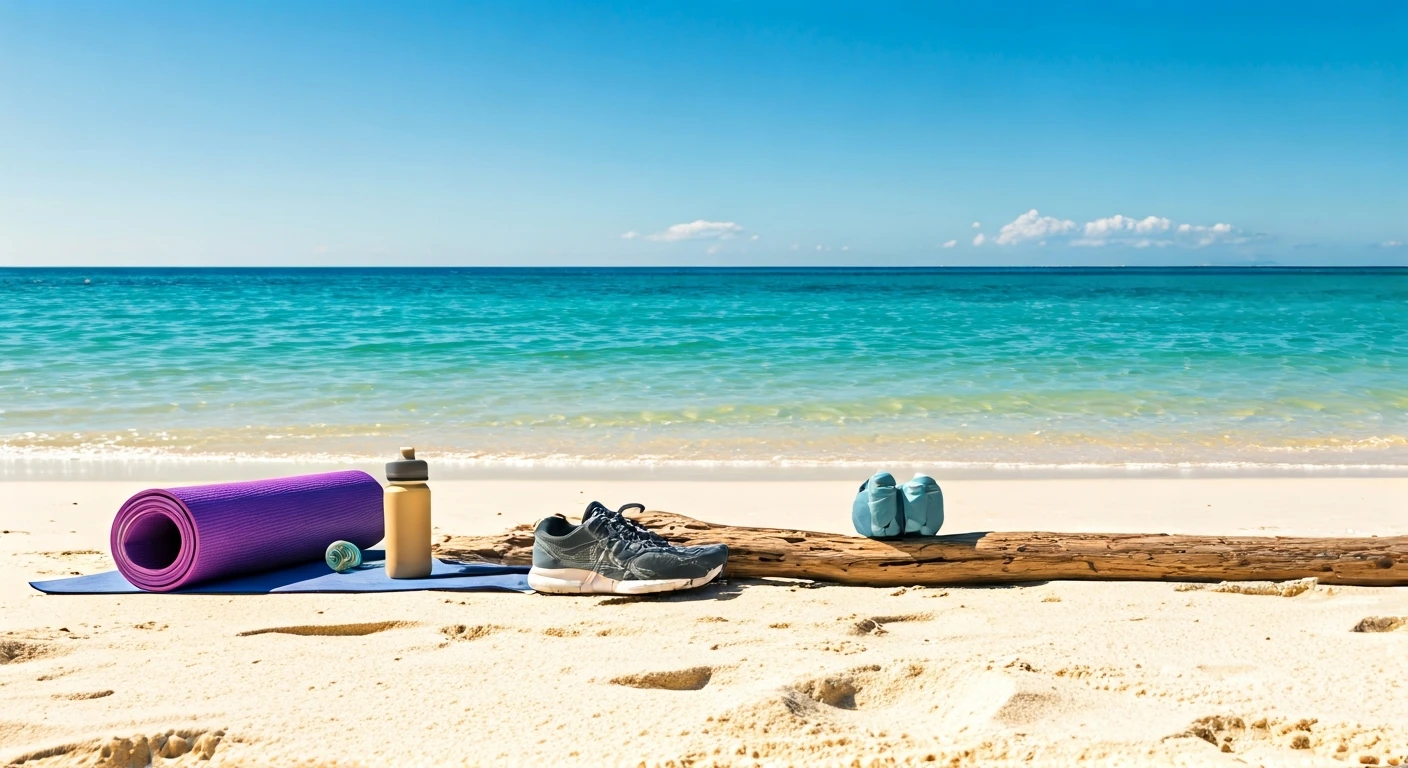
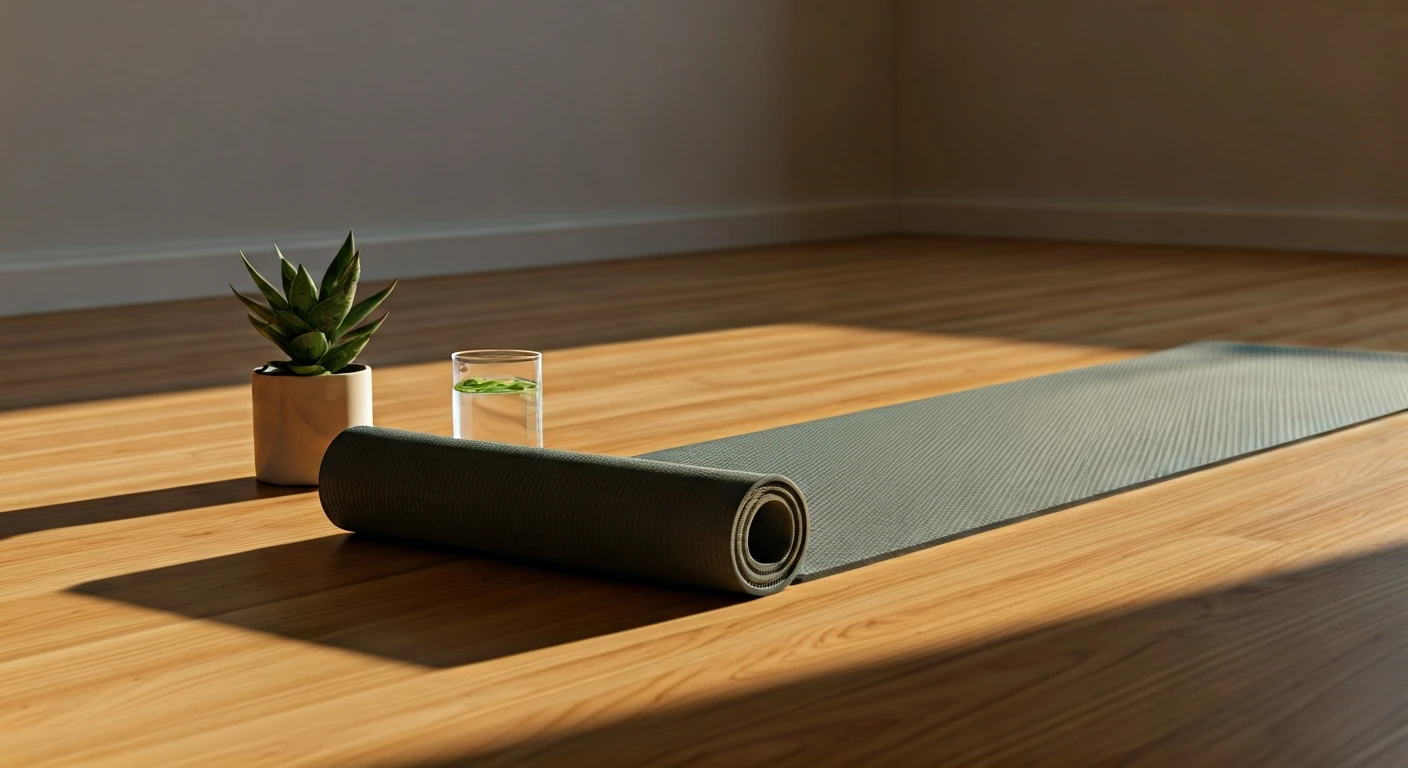
The new philosophy of travel fitness is refreshingly simple: work with your trip, not against it. Instead of trying to shoehorn a rigid, hour-long gym session into a packed itinerary, the focus is shifting to integrated, enjoyable movement. This is the “human and realistic” part. It acknowledges that travel itself is active and that wellness is about more than just logging minutes on a treadmill. This approach champions things like long, exploratory walks through a new city, a hike to a scenic viewpoint, swimming in the ocean, or renting a bike to see the sights. It’s about seeing the destination as your gym. The focus is less on hitting specific metrics and more on feeling good in your body while experiencing a new place. A 15-minute yoga flow in your hotel room using a YouTube video counts. So does taking the stairs, carrying your luggage, and dancing at a local music spot. It redefines “exercise” as simply “movement,” removing the pressure and restoring the joy.
Why Is This Happening Now?
Several cultural currents are driving this change. The pandemic was a major catalyst, forcing a collective reevaluation of health. For many, wellness became less about aesthetic goals and more about mental clarity, stress reduction, and resilience. We learned to work out in our living rooms with minimal equipment, proving that fitness could be adaptable and accessible. Simultaneously, there’s been a growing backlash against the performative wellness and relentless grind glorified on social media. People are tired of feeling like they’re not doing enough. This has given rise to concepts like “soft wellness” and “cozy cardio,” which prioritize gentle, sustainable habits. This mindset naturally extends to travel. A vacation is now seen as a crucial time for genuine restoration—mental, emotional, and physical—rather than another opportunity to optimize the body.
How Hotels and Brands Are Responding
The travel industry is catching on. While high-tech fitness centers aren’t disappearing, the definition of a hotel’s wellness offering has expanded dramatically. It’s no longer just about the hardware. Hotels are increasingly providing in-room yoga mats, resistance bands, and access to wellness apps like Calm or Peloton Digital. This empowers guests to engage in movement on their own terms and in their own private space. Brands like Hilton and Hyatt have developed comprehensive wellness programs that go beyond the gym, incorporating everything from meditation channels on the TV to partnerships with local studios and curated walking maps of the neighborhood. The message is clear: wellness is a holistic experience, not a siloed activity. The best amenities are now those that help you feel rested, centered, and ready to enjoy your trip, whether that’s a state-of-the-art gym or simply a quiet room and a great cup of herbal tea.