
The Slow Fade of Supersize Culture
For years, the American restaurant experience was defined by abundance. From chain restaurant platters that could feed a family to the viral, over-the-top creations on Instagram, bigger was always better. Getting a good value meant getting a massive quantity
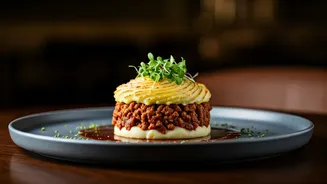
of food. But the pendulum is swinging back. Quietly, without a major announcement, the cultural appetite for excess seems to be shrinking. This isn’t about a new wave of restrictive dieting; it’s a broader correction. The desire for a manageable, satisfying meal—one that doesn't leave you feeling overstuffed or wasteful—is re-emerging as a status symbol of its own. It’s a move away from performative gluttony and toward intentional consumption.
The Economic Reality Check
One of the most powerful drivers of this trend is hiding in plain sight: your wallet. As inflation pushes grocery and restaurant prices higher, consumers and businesses are both adjusting. For restaurants, offering slightly smaller entrées at a more palatable price point can keep customers coming in the door. It’s a strategic pivot away from the sticker shock of a $30 burger. This environment has also made consumers more conscious of food waste. When every ingredient costs more, you’re less likely to pile your plate high with food that might get scraped into the trash. The rise of small-plate and tapas-style menus isn't just a culinary trend; it's an economic one, allowing diners to control their spending and their consumption in one go.
From 'Diet Culture' to 'Wellness'
The conversation around health has also profoundly changed. The rigid, calorie-counting diets of the past have been largely replaced by a broader, more flexible concept of “wellness.” While the initial wave of “intuitive eating” was sometimes interpreted as permission for unrestricted indulgence, its mainstream adoption is settling into a more moderate space. People are seeking balance, not extremes. Furthermore, the advent of GLP-1 agonists like Ozempic and Wegovy has created a new, rapidly growing segment of the population with suppressed appetites. These consumers are actively seeking out smaller portions, driving restaurants and food manufacturers to rethink their offerings. It’s a pharmaceutical-driven reality that is reshaping menus and grocery aisles in real time.
The Social Media Aesthetic Shift
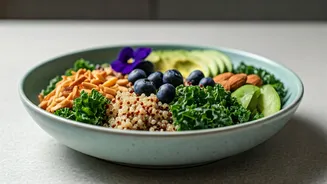
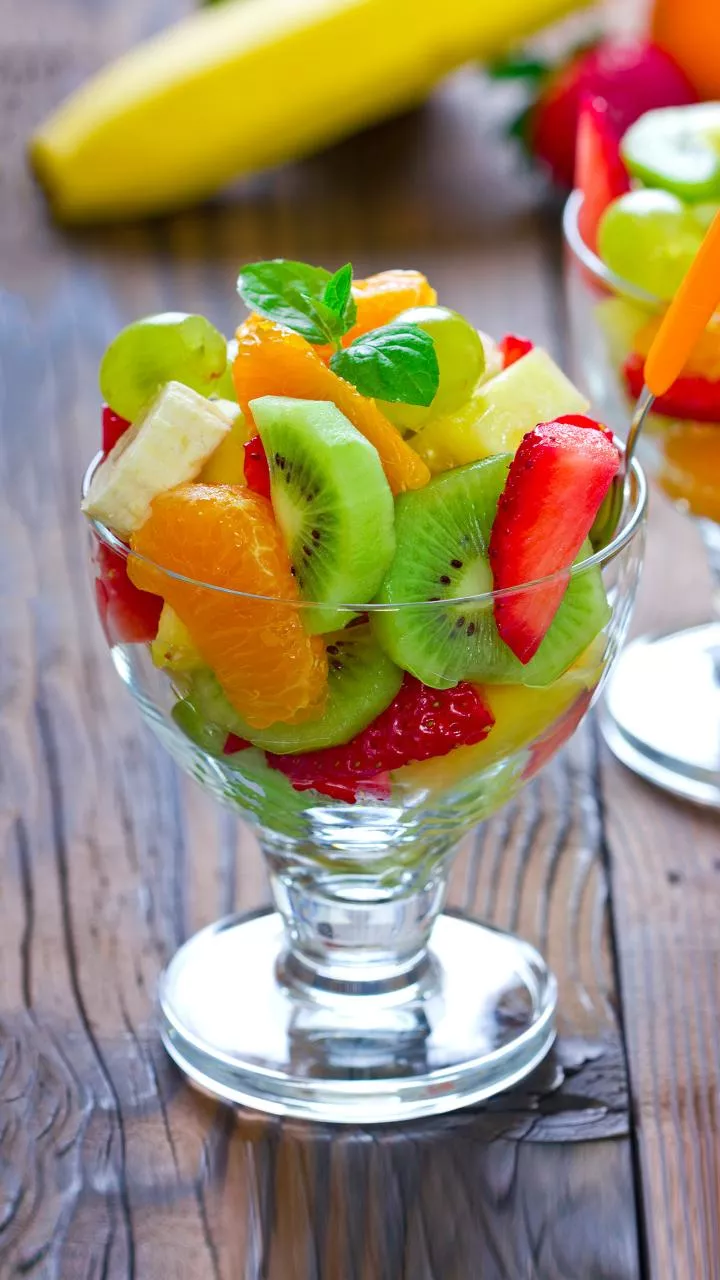
Even the digital world, once home to the “freakshake” and the cheese-pull Olympics, is reflecting this change. The maximalist food porn that dominated Instagram in the 2010s is starting to feel dated. On platforms like TikTok, the aspirational aesthetic has shifted. The new ideal is the “what I eat in a day” video showcasing balanced, visually pleasing, but ultimately realistic meals. It’s the beautifully arranged bento box, the simple but high-quality bowl of pasta, or the colorful salad. This online culture celebrates control, mindfulness, and aesthetics over sheer volume. The new food flex isn’t about how much you can eat, but how well and how thoughtfully you can nourish yourself.