



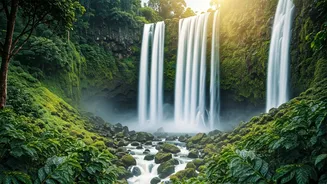




The Roar of the Western Ghats
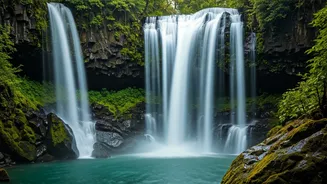
Abbey Falls isn't one of the world's tallest or widest waterfalls, but its power and setting make it an unforgettable experience. Located in the Western Ghats, a mountain range renowned for its biodiversity, the falls are formed by the early streams of the River
Kaveri cascading over a wide rockface from a height of about 70 feet. The real magic happens during the Indian monsoon. What is a gentle cascade in the dry season transforms into a formidable, thundering torrent that sends a fine, cool mist across the entire area. The best vantage point is a hanging bridge built directly opposite the falls. Standing there, you feel the spray on your face and hear the deafening roar, a multisensory experience that photos can’t fully capture. It’s a moment of pure, untamed nature, framed by dense greenery and the dramatic, rain-heavy clouds of southern India.
A Journey Through Coffee Country
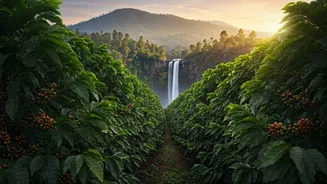
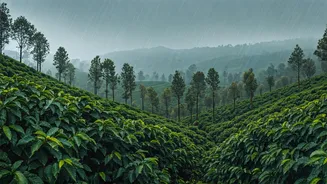
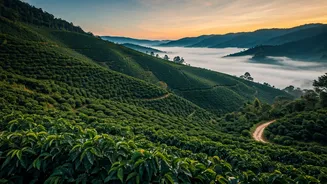
The phrase "worth the drive" is an understatement here, and the drive itself is a huge part of the appeal. Abbey Falls is tucked away inside a private coffee and spice estate, just a few miles from the town of Madikeri in the Kodagu district, popularly known as Coorg. For American travelers, this means the final leg of your journey is a scenic route through one of India's most famous landscapes. The narrow, winding roads are flanked by endless rolling hills blanketed with coffee bushes, cardamom plants, and towering trees draped in black pepper vines. The air is thick with the scent of damp earth, spices, and blooming coffee blossoms. Reaching the falls requires navigating these beautiful, sometimes challenging roads, making the final reveal of the waterfall feel like a well-earned reward. After parking, a short walk down a series of stone steps immerses you deeper into the jungle-like environment before the falls come into view.
Timing Your Visit Is Everything
To see Abbey Falls "in full flow," planning is crucial. The experience is entirely dependent on the season. The peak time to visit is during the monsoon, which typically runs from June through September, with the falls at their most voluminous in July and August. During these months, the water volume is immense, creating the powerful spectacle the falls are famous for. Visiting just after the monsoon, from October to December, offers a pleasant middle ground: the falls are still impressive, but the weather is clearer and the surrounding landscape is a vibrant, freshly washed green. If you visit during the dry season, from January to May, you'll find a much more subdued, almost tranquil stream trickling down the rocks. While still pretty, it lacks the raw, awe-inspiring force that makes the monsoon visit so memorable. For travelers seeking that dramatic, powerful encounter with nature, aiming for the rainy season is non-negotiable.
More Than Just a Waterfall
While Abbey Falls is a headline attraction, it serves as a perfect anchor for exploring the broader Coorg region, often called the “Scotland of India” for its misty hills and lush terrain. The nearby town of Madikeri offers cultural and historical sites, including the 17th-century Madikeri Fort and Raja's Seat, a garden that supposedly was a favorite spot for the kings of Kodagu to watch the sunset. The entire region is a haven for nature lovers, with opportunities for trekking, bird watching, and visiting other, smaller waterfalls. A trip to Abbey Falls can easily be combined with a tour of a coffee plantation to learn about the bean-to-cup process or a visit to the Namdroling Monastery, a stunning Tibetan Buddhist settlement also known as the Golden Temple. The journey to the falls, therefore, isn't just about a single destination; it's an entry point into the unique culture, cuisine, and breathtaking nature of one of southern India’s most cherished regions.