



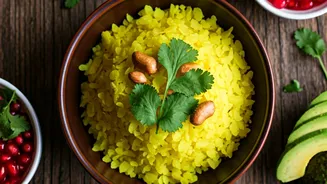
The Poha We Know and Love
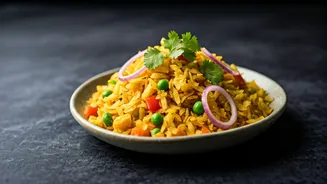
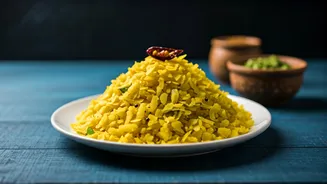
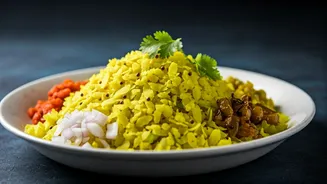
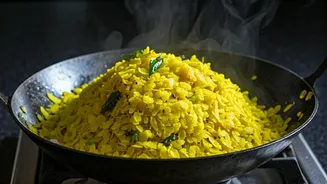
First, let’s talk about the reigning champ. If you’ve ever explored Indian breakfast, you’ve likely encountered Poha. Made from flattened rice flakes (poha or chooda), it’s a quick, light, and endlessly versatile dish. The most famous versions, like Kanda
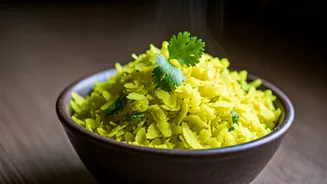
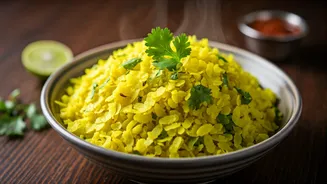
Poha from Maharashtra, are savory and fluffy, tossed with sautéed onions, potatoes, mustard seeds, turmeric, and peanuts, then finished with a squeeze of lime and fresh cilantro. It’s the kind of reliable, satisfying meal you can whip up in 15 minutes. Other regions have their own spin, like the Indori Poha topped with crispy sev and pomegranate seeds. But across the board, the general profile is consistent: light, savory, tangy, and a perfect vehicle for a variety of textures. It’s a breakfast workhorse, beloved for its simplicity and comforting flavor. On World Poha Day (celebrated annually on June 7), it’s this version that typically gets all the love.
Enter the Challenger: Banarasi Chooda Mutter
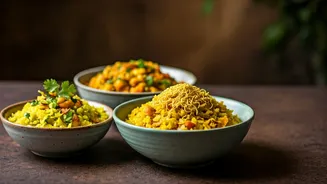
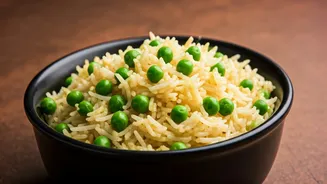
Now, imagine poha’s richer, more sophisticated cousin who just arrived from a trip to the ghats of Varanasi. That’s Banarasi Chooda Mutter. While it uses the same core ingredient—flattened rice—the philosophy behind it is completely different. This isn't a quick, dry-ish stir-fry; it’s a soft, luscious, and deeply aromatic dish that feels more like a savory pudding or a rustic risotto. The name itself tells the story: 'Chooda' for the flattened rice and 'Mutter' for the sweet green peas that are the star of the show. Instead of being quickly rinsed and fluffed, the thick variety of poha is soaked in milk or water until it becomes tender. It's then gently cooked in ghee (clarified butter) with ginger, green chilies, and a fragrant blend of whole spices and garam masala. The fresh peas are added and cooked until they’re perfectly soft, releasing their sweetness into the creamy base. The result is a dish that's simultaneously rich and delicate, with a soft texture that practically melts in your mouth.
A Contrast in Flavor and Feel
The fundamental difference between standard poha and Chooda Mutter comes down to texture and flavor philosophy. Where Kanda Poha is all about separation—fluffy individual flakes of rice, distinct bits of onion and potato—Chooda Mutter is about unity. Everything melds together into a cohesive, creamy whole. The milk-soaked poha loses its individual structure to create a soft, comforting base for the sweet peas. The flavor profile is also a world apart. Poha leans tangy and sharp, thanks to lemon juice, onions, and curry leaves. Chooda Mutter, on the other hand, is warm, sweet, and fragrant. The sweetness comes naturally from the peas and often a touch of sugar, balanced by the gentle heat of ginger and green chilies. The generous use of ghee imparts a nutty richness that you won’t find in its more austere counterparts. It’s less of a rushed breakfast and more of a leisurely winter evening snack, meant to be savored slowly.
A Taste of an Ancient City
This dish isn't just a recipe; it's a postcard from Varanasi (formerly Banaras), one of the world's oldest living cities and a spiritual hub in India. Chooda Mutter is a quintessential winter street food there, traditionally enjoyed on cool evenings. Vendors serve it piping hot in small bowls, garnished with fresh cilantro and sometimes a dollop of cream (malai) for extra decadence. Its popularity is tied to the seasonal availability of sweet, tender winter peas. This seasonality makes it feel special—a fleeting treat to look forward to each year. Unlike the everyday poha, Banarasi Chooda Mutter carries an air of occasion. It’s a dish that asks you to slow down and appreciate the deep, comforting flavors rooted in the culinary heritage of Uttar Pradesh.