


The End of the Single-Purpose Room
For generations, the layout of a home was a statement of stability. You had a room for sleeping, a room for eating, and a room for receiving guests. But in today’s India, that model is being rapidly dismantled by the concept of 'flexible living.' This
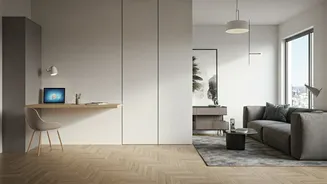
isn't just about clever furniture; it's a fundamental shift in mindset. A living room is now expected to be a home office from 9 to 5, a children's play area in the afternoon, an entertainment hub in the evening, and, with the pull of a sofa bed, a guest room at night. This demand for versatility is turning architects and interior designers into masters of transformation, tasked with making every square foot earn its keep in multiple ways.
Driven by the Urban Squeeze
At the heart of this trend is a simple, unavoidable reality: space is the ultimate luxury in urban India. In megacities like Mumbai, Bengaluru, and Delhi, property prices have soared, forcing millions of families into smaller apartments. A spacious three-bedroom home is an unattainable dream for many young professionals and families, who instead find themselves in compact one- or two-bedroom units. This economic pressure is the primary engine of the flexible-room phenomenon. It’s not an aesthetic choice so much as an ingenious adaptation to constraint. When you can't build out, you have to build in, creating smarter, more efficient ways to live within the walls you have. The '1.5 BHK'—a one-bedroom-hall-kitchen apartment with an additional small, multi-use space—has become a popular, telling fixture of this new real estate landscape.
A Pandemic-Fueled Revolution
If urban density loaded the gun, the COVID-19 pandemic pulled the trigger. Overnight, homes across India had to become offices, schools, gyms, and sanctuaries all at once. The chaotic scramble for a quiet corner to take a Zoom call or a clear patch of floor for a workout exposed the limitations of static layouts. This collective experience massively accelerated the demand for flexible design. What was once a niche interest for design-forward urbanites became a mainstream necessity. Builders and designers report a surge in client requests for modular furniture, sliding partitions that can create 'rooms' on demand, Murphy beds that vanish into the wall, and integrated storage solutions that hide the clutter of a multi-faceted life. The pandemic didn't create the trend, but it cemented it as the default expectation for modern Indian living.
Modern Aspirations Meet Traditional Values
What makes this trend particularly fascinating is how it intersects with deep-seated cultural values. Indian hospitality is legendary, with a strong tradition of welcoming extended family and friends, often for long stays. A flexible home allows a modern nuclear family living in a small city apartment to uphold this tradition. The ability to conjure a comfortable guest room out of a living room or study is not just practical; it’s a way of maintaining cultural connection. This blend of old and new is quintessentially modern India. It’s about accommodating a globalized, work-from-anywhere lifestyle while still making space for a visiting aunt, a cousin studying for exams, or parents on a week-long visit. The flexible room is where aspiration, tradition, and necessity meet.
Designing for a Life in Motion
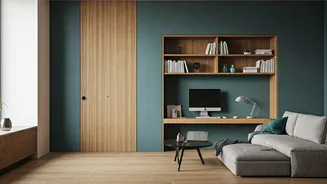
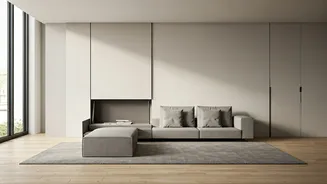
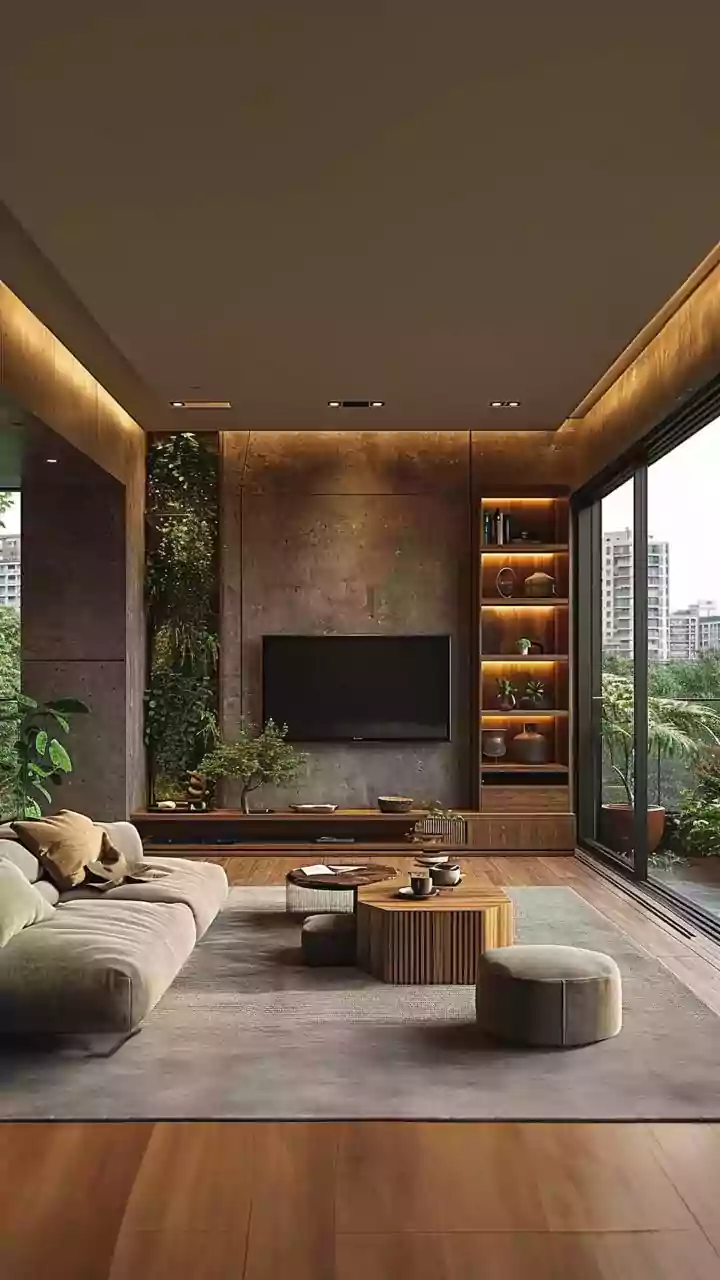
The solutions are as creative as the problem is complex. Interior design in India is now a masterclass in functional minimalism and clever engineering. We're seeing dining tables that fold down from walls, beds that retract into the ceiling, and partitions made of glass and wood that create privacy without sacrificing light. Desks are designed to seamlessly emerge from entertainment consoles, and every nook—from the space under the stairs to the top of a wardrobe—is being utilized for smart storage. The aesthetic is clean and uncluttered, not because of a preference for starkness, but because a fluid space demands it. The goal is to create a serene, functional backdrop for a life that is constantly in motion.