


The Numbers Don't Lie
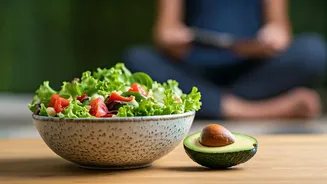
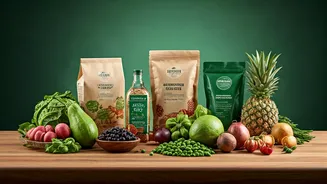
Let's start with the bottom line. The wellness industry is a behemoth, valued in the trillions globally. We’re buying Fitbits, organic produce, and plant-based everything. But look at the other side of the ledger: the U.S. salty snack market is projected
to grow substantially, hitting well over $35 billion in the coming years. Convenience store sales, a bellwether for on-the-go indulgence, have seen record growth in their foodservice category, which is heavy on items like fried chicken, taquitos, and mozzarella sticks. The data paints a clear picture. We’re not replacing our 'bad' habits with 'good' ones; we’re simply adding the good ones and keeping the ones that bring us joy—or at least, a satisfying crunch.
The Science of the Crave
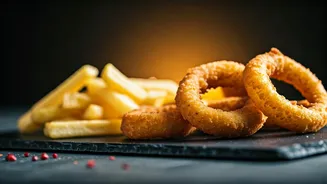
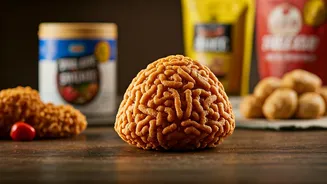
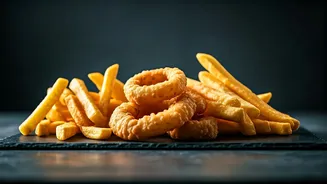
There's a powerful biological reason why a perfectly fried potato is more compelling than a celery stick. It’s not a moral failing; it's brain chemistry. Our brains are wired to seek out energy-dense foods, a holdover from our ancestors who didn't know where their next meal was coming from. Fat and salt are prime targets. Fat provides a rich mouthfeel and carries flavor, while salt enhances it. The 'crunch' itself is a major factor. Studies in sensory science show that the sound and texture of crispy foods are inherently appealing, often signaling freshness and creating a more satisfying eating experience. When you bite into a chip, you’re getting a trifecta of fat, salt, and sound that triggers the release of dopamine, the brain's pleasure chemical. Your wellness app doesn't stand a chance against millions of years of evolution.
Marketing's Permissible Indulgence
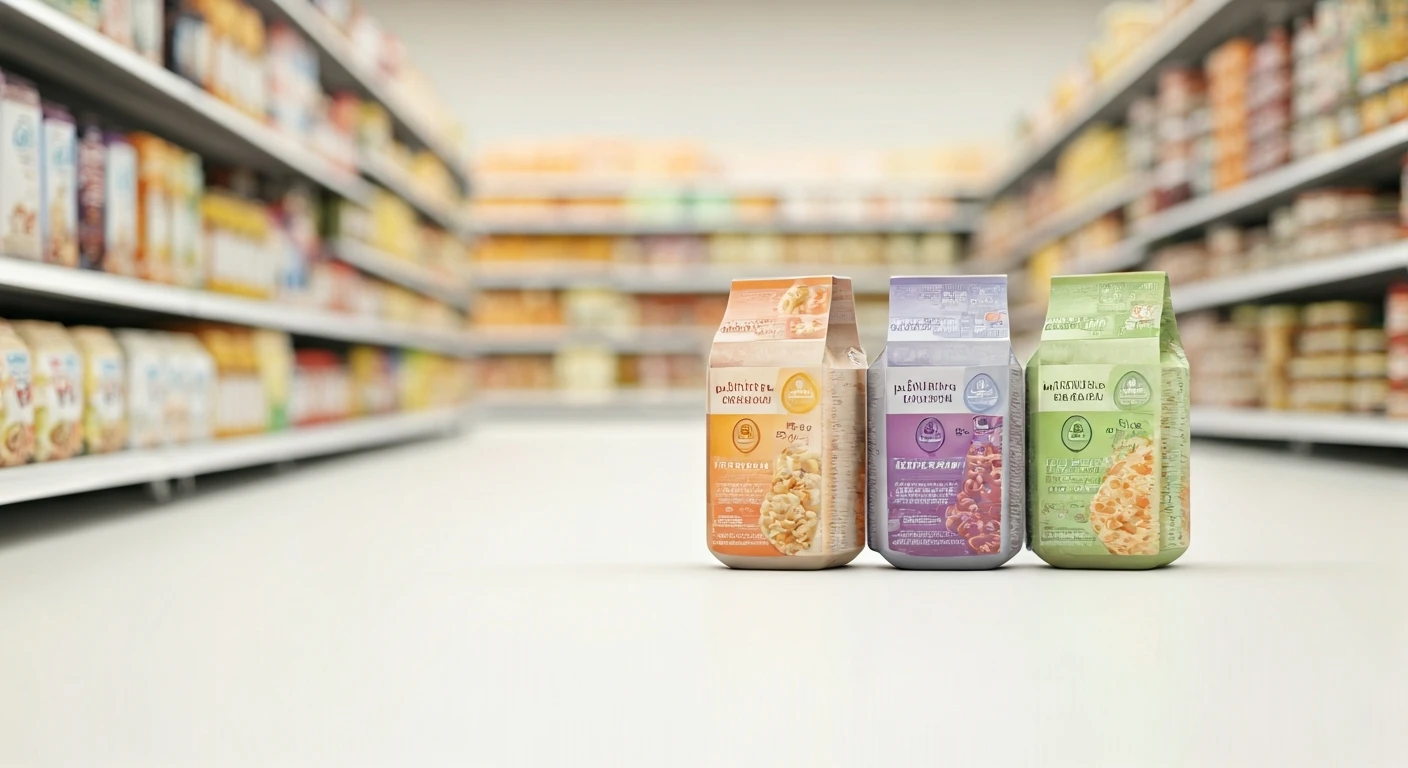
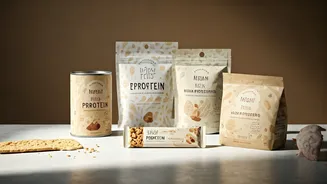
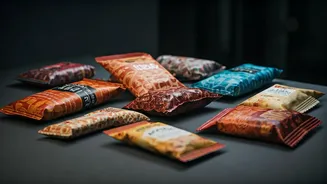
Snack food giants aren't oblivious to the wellness wave. Instead of fighting it, they've adapted with a strategy you could call 'permissible indulgence.' They know most people aren't aiming for dietary perfection but for a sustainable balance. So, they offer smaller, 100-calorie packs of chips, giving consumers a feeling of portion control. They innovate with 'better-for-you' oils like avocado oil or bake their chips instead of frying them, creating a 'health halo' around a product that is still, fundamentally, a snack. The other tactic is premiumization. The same consumer buying a $12 green juice might also splurge on a $7 bag of small-batch, kettle-cooked chips with exotic sea salt. By positioning fried snacks as a craft product or an earned treat, brands give consumers the mental permission slip they need to indulge without guilt.
Comfort in a Chaotic World
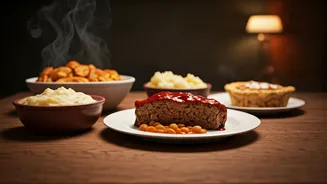
Beyond the science and sales figures lies a simpler truth: fried foods are comfort. They are deeply woven into the fabric of American culture, from donuts on a Sunday morning to fries with friends after a late night. These foods are tied to memories, celebrations, and moments of stress relief. In an increasingly complex and often anxious world, the familiar, reliable pleasure of a comfort food is a powerful anchor. It’s a small, affordable luxury that requires no pretense. It doesn’t promise to optimize your gut biome or extend your lifespan. It just promises to taste good, right now. And in the face of constant pressure to be healthier, wealthier, and more productive, that simple promise is a form of rebellion that many find irresistible.