

Choose Your Star Fruit
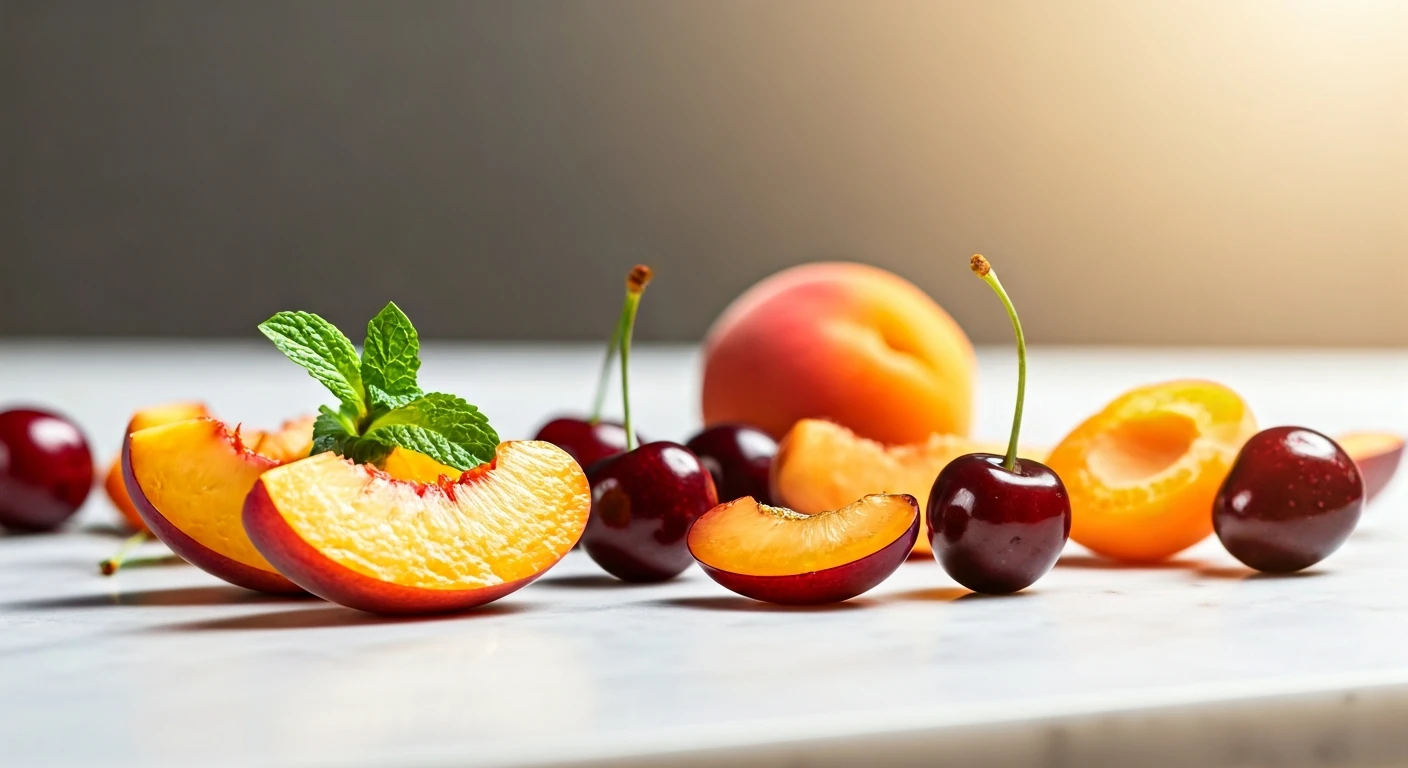
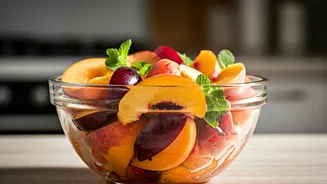
The secret to a great stone fruit salad isn’t a secret at all: it’s using fantastic fruit. ‘Stone fruit’ refers to any fruit with a pit, or ‘stone,’ in the center. We're talking about peaches, nectarines, plums, apricots, and cherries. Your first job
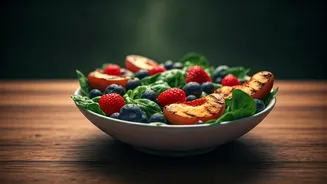
is to find ripe, fragrant, and flavorful specimens. Look for fruit that feels heavy for its size and has a little give when you gently press near the stem. Avoid anything rock-hard or mushy with bruised spots. The best ones are often at your local farmers market, where you can ask the grower what’s peaking. Don't be afraid to mix and match—a combination of yellow peaches and dark-skinned plums creates a stunning color contrast. And while you can simply slice them, grilling halved or quartered peaches and nectarines for a few minutes deepens their sweetness and adds a smoky char that is absolutely irresistible.
Find a Savory Counterpoint
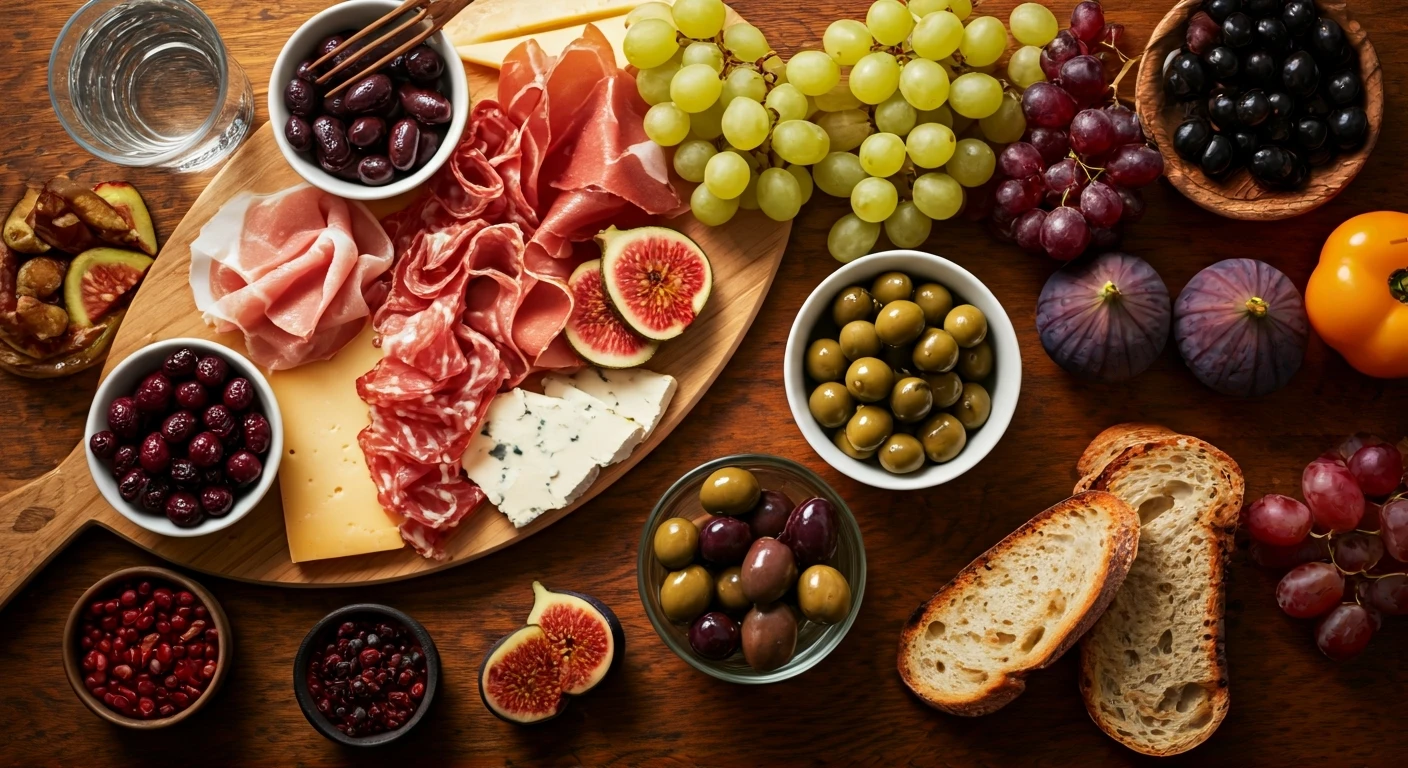
A bowl of just fruit is, well, a fruit salad. What elevates it into something more complex and satisfying is a savory element that provides a counterpoint to the sweetness. This is where cheese and cured meats shine. A creamy, mild cheese like fresh burrata or mozzarella provides a luscious, milky base that lets the fruit pop. A dollop of ricotta works wonders, too. For a saltier, tangier kick, reach for crumbled feta or goat cheese. If you want to go a step further, add a few tissue-thin slices of prosciutto. The salt-cured pork has an intense, savory flavor that wraps around the sweet fruit in the most perfect way. It’s a classic Italian combination for a reason—it just works.
Add Something Green and Fresh
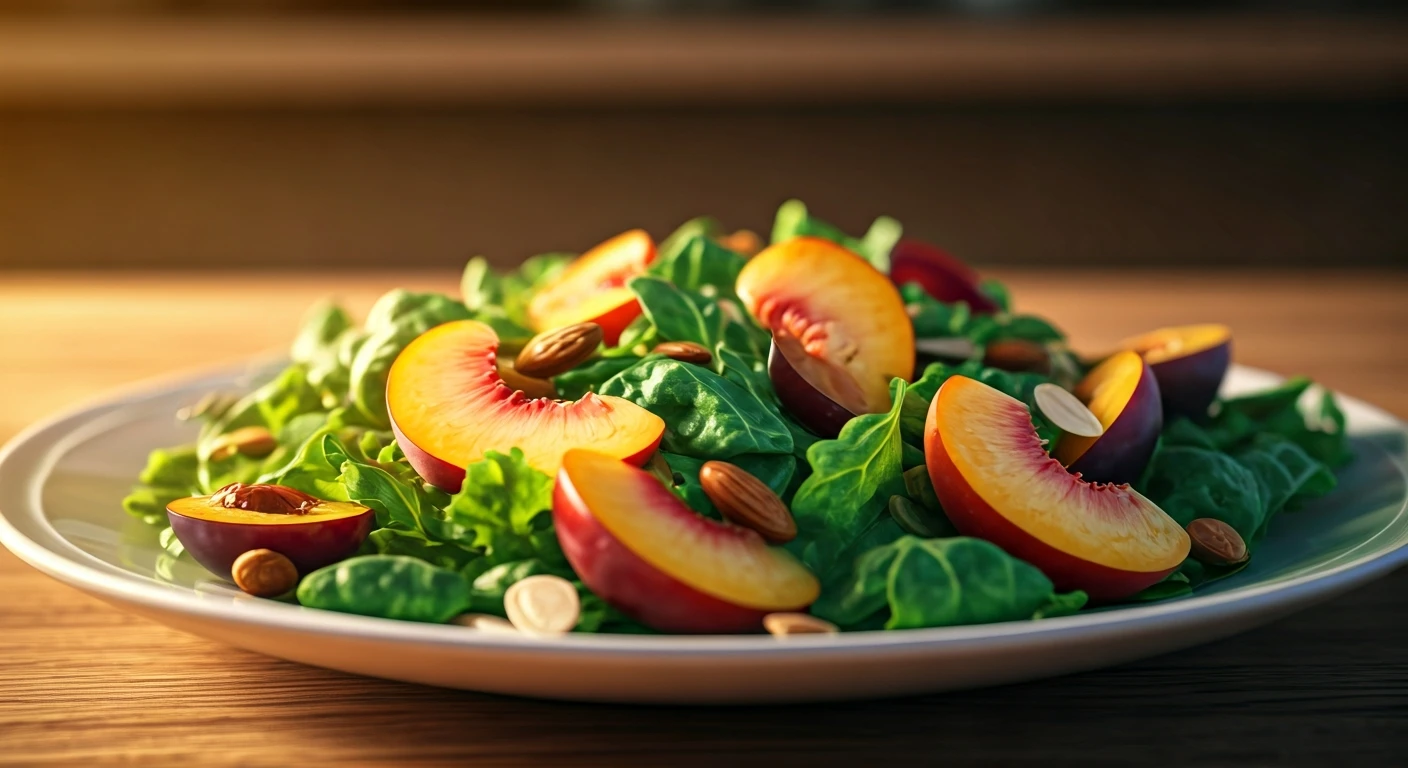
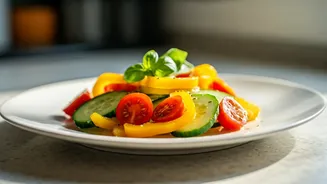
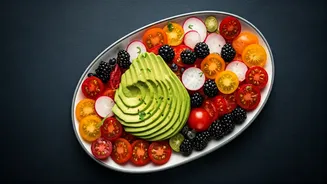
To keep the salad from feeling too heavy or one-note, you need a fresh, herbaceous lift. This can be as simple as a handful of tender greens or a generous scattering of fresh herbs. Arugula is a brilliant choice; its peppery bite is a natural foil for sweet peaches. Milder greens like butter lettuce or baby spinach also work well if you want the fruit to be the dominant flavor. But don't underestimate the power of herbs. Torn basil leaves have a sweet, anise-like quality that pairs beautifully with nectarines and tomatoes (yes, add some cherry tomatoes!). Fresh mint is another classic, lending a cool, bright flavor that’s especially good with plums and cherries. A good rule of thumb is to treat the herbs like a main ingredient, not just a garnish.
Bring the Perfect Crunch
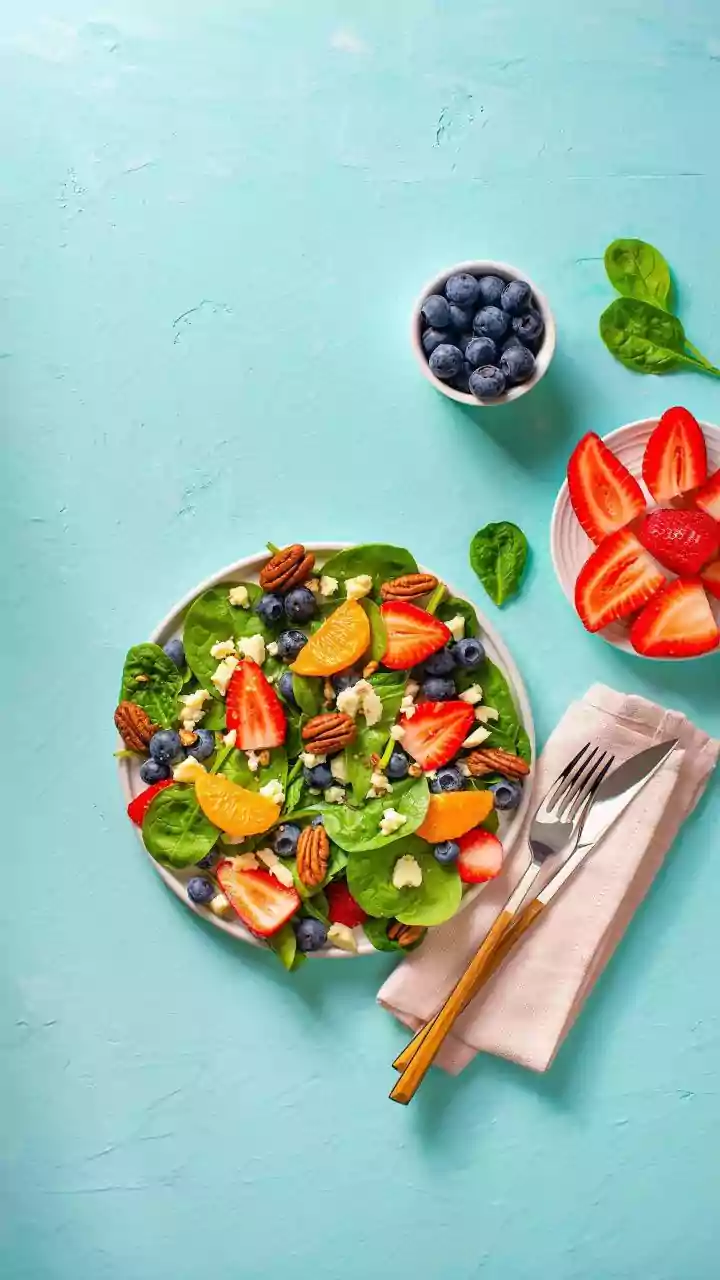
Texture is just as important as flavor, and a great salad needs some crunch. This element provides a satisfying contrast to the soft fruit and creamy cheese. Toasted nuts are the most obvious and effective choice. Pistachios offer a beautiful green color and buttery flavor. Toasted almonds, walnuts, or even pecans add a deep, nutty richness. Toasting is a non-negotiable step; it only takes a few minutes in a dry pan on the stove, but it awakens the oils in the nuts and makes their flavor exponentially better. Beyond nuts, consider adding crunchy seeds like sunflower or pumpkin seeds. For a more decadent, bread-like crunch, you can add torn pieces of toasted sourdough or homemade croutons tossed in olive oil and herbs.
Tie It All Together
The final touch is the dressing, but it’s critical to keep it simple. You’ve brought together all these incredible ingredients; the goal of the dressing is to unify them, not overwhelm them. A heavy, creamy dressing will bury the delicate flavors. All you need is a basic vinaigrette. A good starting point is a 3-to-1 ratio of high-quality extra-virgin olive oil to acid. For the acid, a light vinegar like white wine, champagne, or apple cider vinegar is perfect. You can also use fresh lemon or lime juice. Whisk them together with a pinch of salt and a crack of black pepper. For a touch of sweetness to complement the fruit, consider adding a tiny drizzle of honey or maple syrup to the vinaigrette. Drizzle lightly at first—you can always add more.