


From Feta Pasta to Food Fights
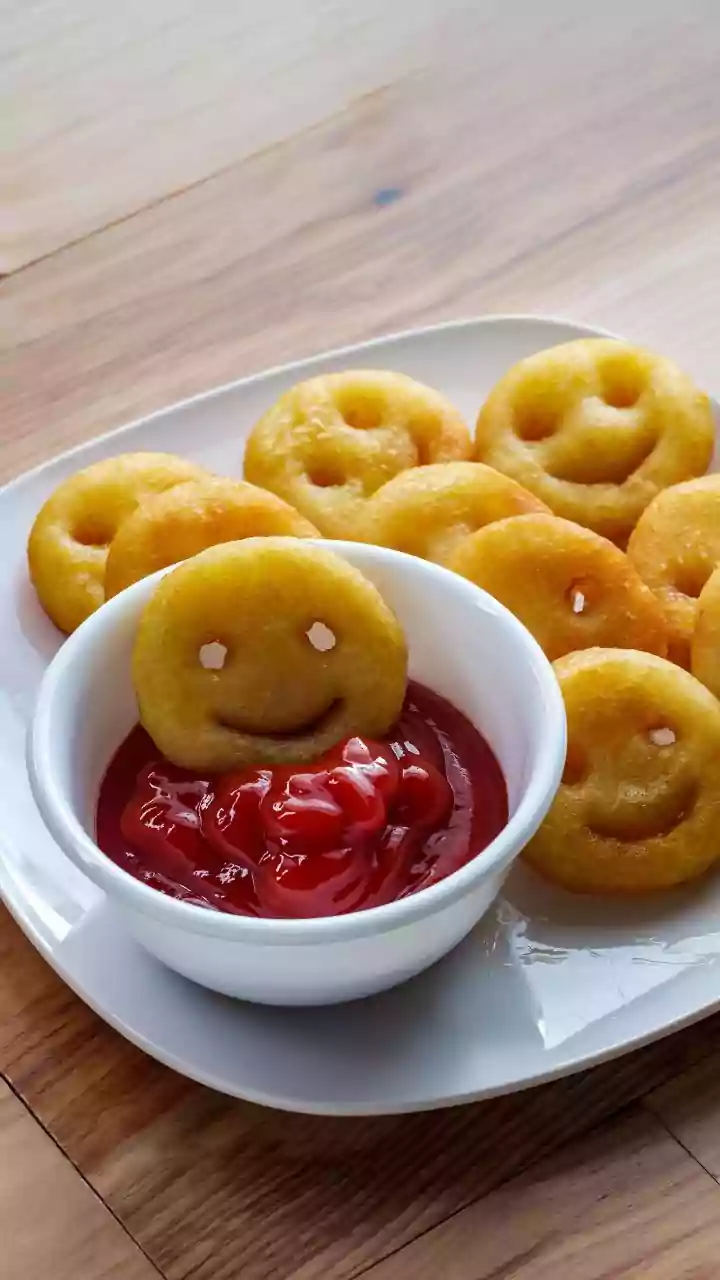
Remember the era of dalgona coffee, cloud bread, and the world-conquering baked feta pasta? For years, the internet-famous kitchen hack was all about novelty, aesthetics, and taste. The goal was simple: create something visually stunning or uniquely delicious
with minimal effort. Success was measured in shares, likes, and a collective, 'I have to try that!' These were hacks of indulgence and entertainment. They were fun, low-stakes experiments that turned millions of home kitchens into content studios. The underlying promise was that you, too, could create something magical with just a few ingredients and a trending sound. The nutritional value, food science, or even practicality of the hack was secondary to the thrill of participation.
When 'Hacks' Became Hazards
The playful era of flavor-first hacks eventually curdled. As platforms like TikTok grew, so did the volume of unfiltered, and often dangerous, advice. The shift became apparent when trends crossed the line from quirky to questionable. We saw people boiling chicken in NyQuil—a practice the FDA publicly warned against—or following improper home canning guides that created serious risks for botulism. A popular hack for keeping avocados fresh by submerging them in water was debunked by food safety experts, who noted it could actually foster the growth of listeria and salmonella on the fruit's surface. This flood of misinformation created a vacuum of authority. Viewers started realizing that a high view count was not a substitute for a food safety certification. The question changed from 'Does it taste good?' to 'Is this actually safe?'
The Rise of the Digital Dietitian
Into this chaos stepped a new kind of influencer: the credentialed expert. Food scientists, registered dietitians, professional chefs, and even food safety inspectors began using their platforms not to invent the next viral dish, but to debunk the dangerous ones. Armed with PhDs and years of practical experience, these creators built massive followings by calmly and clearly explaining the science behind cooking and food storage. They explained the microbiology of cross-contamination, the chemistry of spoilage, and the physics of proper heating. Instead of just showing a finished product, they explained the process, citing studies and established guidelines. Their content isn't always as flashy, but it offers something far more valuable in an era of rampant misinformation: reliability. They became the trusted voices in a very loud kitchen.
The New Rules of the Kitchen
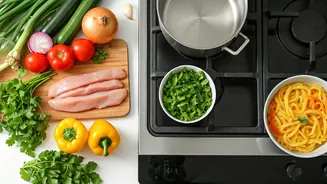
So, what does a 'trust' hack look like? It’s often less about a specific recipe and more about a foundational technique or principle. It’s a video explaining why you should never put raw garlic in oil and leave it at room temperature (a botulism risk). It’s a post demonstrating the proper way to wash leafy greens to remove contaminants, or explaining that rinsing raw chicken only spreads bacteria around your sink. These new hacks teach you how to organize your fridge to prevent cross-contamination (raw meat on the bottom shelf, always), how to tell if an egg is still fresh, or why storing potatoes and onions together makes both spoil faster. The payoff isn't a beautiful photo for Instagram; it's less food waste, lower risk of illness, and a deeper understanding of the food you eat every day. It’s knowledge, not just novelty.