

The Anatomy of 'Desk Posture'
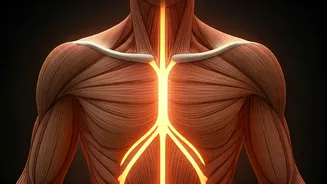
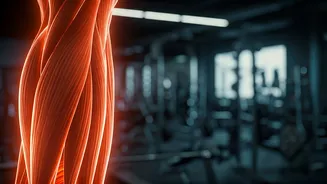
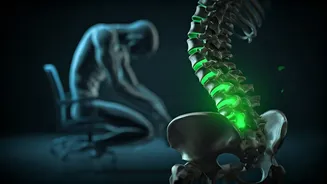
Before we can correct it, we need to understand what experts call 'upper and lower crossed syndrome,' or what the rest of us just call 'desk body.' When you sit for hours, certain muscles adapt to that position. Your hip flexors and chest muscles (pectorals)
become tight and short from being in a constant state of flexion. In response, their opposing muscles—the glutes and the upper back muscles (like the rhomboids and lower traps)—become lengthened and weak. This muscular imbalance is what pulls your body out of alignment, creating rounded shoulders, a forward-jutting head, and an anterior pelvic tilt, which contributes to lower back pain. It’s not just about looking slumped; it’s a physical state that can lead to chronic pain, reduced mobility, and even headaches.
What is a Functional Workout?
Functional fitness is a training philosophy built around movements that mimic everyday life. Think about it: you don't just isolate your bicep to pick up a heavy box of groceries; you squat, hinge at the hips, engage your core, and use your back and arms in a coordinated sequence. Functional workouts train these multi-joint movement patterns, not just individual muscles in isolation. Exercises like squats, deadlifts, rows, and presses teach your muscles to work together as a system. This approach is uniquely suited to correcting postural issues because it directly counteracts the muscular imbalances caused by our sedentary habits. It retrains your body to move efficiently and hold itself upright naturally, without you having to constantly think, “Sit up straight!”
The Move: Bent-Over Dumbbell Row
This is your primary weapon against rounded shoulders. Slumped posture comes from weak upper-back muscles that can no longer counteract the pull of tight chest muscles. The row directly targets these weak spots—the rhomboids, lats, and rear deltoids—essentially pulling your shoulder blades back and down into their correct position. To perform it, hold a dumbbell in each hand, hinge at your hips until your torso is nearly parallel to the floor, keeping your back straight. Let the weights hang down. Squeeze your shoulder blades together as you pull the dumbbells up toward your chest. Pause at the top, then slowly lower them back down. This movement is the direct opposite of the posture you hold at your desk, making it a powerful corrective exercise.
The Move: Goblet Squat
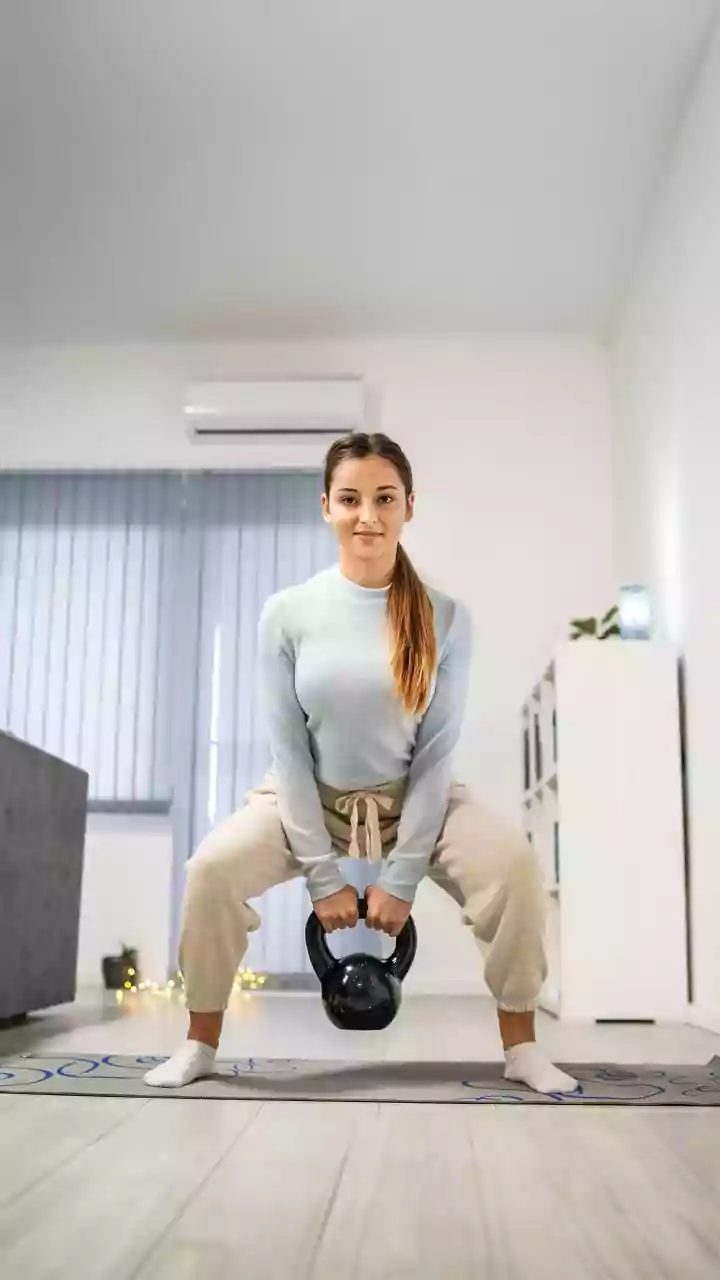
Sitting all day puts your glutes to sleep. When your glutes are weak, other muscles, like your lower back and hamstrings, have to overcompensate, leading to pain and instability. The goblet squat wakes them up. By holding a weight at your chest, you force your core to engage to stay upright, which helps fight the tendency to slouch. As you lower into the squat, you also stretch out those chronically tight hip flexors. To do it, hold one dumbbell or kettlebell vertically against your chest. With your feet shoulder-width apart, push your hips back and bend your knees to lower yourself down, keeping your chest up and back straight. Go as low as you can comfortably, then drive through your heels to return to the starting position, squeezing your glutes at the top.
The Move: Glute Bridge
If you want to directly target those underused gluteal muscles, the glute bridge is your best friend. It’s a simple but profoundly effective move for reactivating the muscles that provide support for your pelvis and lower back. When your glutes are strong, they help maintain a neutral pelvic position, preventing the anterior tilt that contributes to so much lower back discomfort from sitting. Lie on your back with your knees bent, feet flat on the floor, and arms at your sides. Squeeze your glutes and abs as you lift your hips off the floor until your body forms a straight line from your shoulders to your knees. Hold for a moment at the top before slowly lowering back down. This exercise isolates the exact muscles that sitting deactivates.