



Embrace Acidity: The Magic of Ceviche
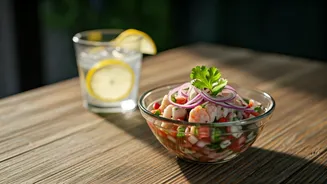
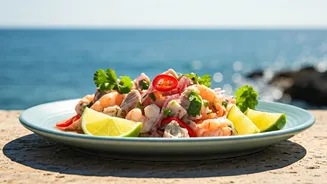
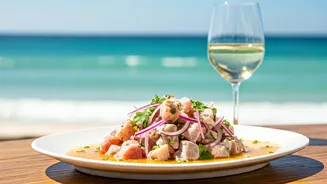
There is perhaps no dish more synonymous with coastal cooling than ceviche. Originating in Peru and beloved across Latin America's coastlines, its genius lies in its simplicity. Fresh, raw fish is “cooked” not by heat, but by the acidic power of citrus
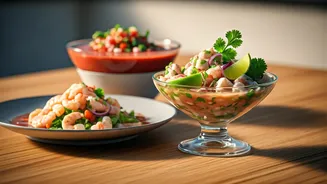
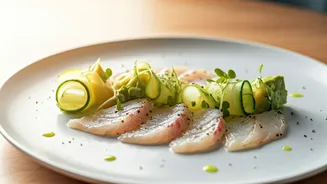
juice, typically lime. The acid denatures the proteins in the fish, turning it opaque and firm while infusing it with a bright, zesty flavor. The classic Peruvian style features cubes of firm white fish, red onion, cilantro, and spicy aji peppers, often served with sweet potato and corn to balance the flavors. In Mexico, you might find it with tomatoes, avocado, and served with tostadas. It’s a perfect example of a no-cook meal that feels sophisticated, clean, and utterly refreshing—a masterclass in using natural ingredients to beat the heat.
Drink Your Salad: Gazpacho and Cold Soups
On a sweltering afternoon along Spain’s Andalusian coast, gazpacho isn’t just a soup; it’s a lifeline. This chilled, vegetable-based soup is the ultimate in savory hydration. At its heart, it’s a simple purée of summer’s best produce: ripe tomatoes, crisp cucumbers, bell peppers, garlic, and a splash of sherry vinegar for tang. Blended with good olive oil, it becomes a silky, nourishing meal in a glass. But the world of cold soups extends beyond gazpacho. Consider its elegant cousin, *ajo blanco* (a white garlic and almond soup), or the vibrant green cucumber-avocado soups found in modern American cuisine. These dishes are designed to be made ahead, their flavors melding in the refrigerator, ready to provide instant, delicious relief when you need it most.
The No-Mayo Seafood Salad
When Americans think of seafood salad, we often picture something heavy with mayonnaise. Coastal traditions around the world offer a lighter, brighter alternative. Imagine a Mediterranean calamari salad, with tender rings of chilled, poached squid tossed with lemon juice, olive oil, garlic, and heaps of fresh parsley. Or a Caribbean-inspired shrimp salad, where plump, sweet shrimp are mixed with diced mango, avocado, red onion, and a fiery, lime-based dressing. The key is to let the fresh seafood shine, enhanced only by herbs, citrus, and a touch of high-quality oil. These salads are substantial enough to be a meal but light enough that they won’t weigh you down, making them ideal for a hot-weather lunch or a light supper.
Harness the Power of Herbs
In many hot climates, fresh herbs aren't just a garnish; they are a primary ingredient. Think of tabbouleh, the iconic salad from the Levantine coast. A true Lebanese tabbouleh is not a grain salad with some herbs, but an herb salad with a little bulgur. It’s a vibrant green explosion of finely chopped parsley and mint, balanced with tomato, onion, and a simple lemon-and-oil dressing. Herbs like mint have a chemically cooling effect on the palate, which is why they are so prevalent in the cuisines of hot regions from the Mediterranean to Southeast Asia. A Vietnamese-style noodle salad, packed with mint, cilantro, and basil, or a simple Greek salad with a generous sprinkle of dried oregano, uses this principle to create dishes that are both flavorful and functionally cooling.
Fruit, Salt, and Summer Bliss
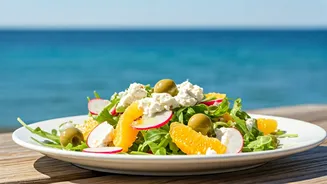
Nothing says summer like biting into a cold, crisp slice of watermelon. Coastal Mediterranean cultures perfected the art of turning this simple pleasure into a meal by adding a savory counterpoint: salt. The classic watermelon and feta salad is a testament to this pairing. The sweetness of the hydrating watermelon, the salty tang of the feta, the sharpness of red onion, and the fresh coolness of mint create a symphony of flavors that is addictively refreshing. This sweet-and-salty principle applies to other fruits as well. Think of cantaloupe wrapped in prosciutto or grilled peaches served with burrata and a balsamic glaze. These dishes leverage the high water content of summer fruits to hydrate and cool, while the salt helps replenish electrolytes lost to sweat—a delicious and elegant form of climate control.