






From Gritty Clubs to Glossy Crews
Not long ago, the term “run club” conjured images of grizzled veterans in short shorts, meticulously logging miles with stopwatches. It was a serious, often insular world focused purely on performance. Today’s urban running scene looks drastically different.
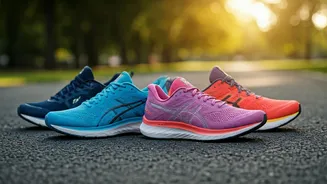
While the old-school clubs still exist, they’ve been joined by a new phenomenon: the brand-hosted group run. These aren't just for sub-three-hour marathoners; they’re for everyone. The pace is conversational, the vibe is social, and the photos are destined for Instagram. Apparel giants like Lululemon, shoe companies like Hoka and On Running, and even boutique brands like Tracksmith are leading the charge. They’ve transformed the humble group jog from a niche hobby into a highly curated, accessible, and commercially vibrant experience.
The New Rules of Engagement
For brands, the logic is simple and powerful. In an era of ad-blockers and cynical consumers, traditional advertising is losing its punch. The group run is the ultimate form of “experiential marketing.” It’s a low-cost, high-impact way to build something far more valuable than brand awareness: brand community. Instead of shouting about a shoe's technical specs in a 30-second spot, a brand like Hoka can let a hundred potential customers take its latest model for a free test run. The experience builds an emotional connection. Runners associate the brand not just with a product, but with a feeling—of accomplishment, of camaraderie, of a healthy Saturday morning. These runners become organic, highly credible ambassadors, posting their post-run selfies in branded gear and telling their friends about the great time they had. It's a marketing flywheel that spins on authenticity and free coffee.
What's In It for the Runners?
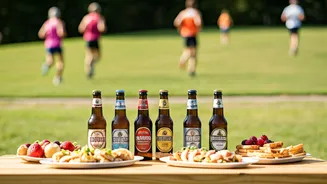
The appeal for participants is just as strong. In an increasingly digital and isolated world, people are craving genuine human connection. Run clubs offer a built-in, low-pressure social scene. It’s a “third place” that isn’t a bar or an office, where the barrier to entry is simply showing up. For new runners, it provides safety in numbers and a motivating environment free from the intimidation of a formal race. For seasoned runners, it’s a way to mix up their routine and socialize. And, of course, there are the perks. Free shoe demos, complimentary swag, discounts, and post-run snacks create a compelling value proposition. It allows people to sample a brand's ecosystem—and its expensive products—without any financial commitment. The run itself is the main event; the branding is just the backdrop that makes it possible.
The Community-Commerce Tightrope
This symbiosis, however, requires a delicate balance. The moment a community event feels like a high-pressure sales pitch, the magic is lost. The most successful brands understand this. They play the long game, focusing on facilitating the community first and letting the commercial benefits follow naturally. The leaders of these runs are often local, passionate runners themselves, not corporate salespeople. The emphasis is on the shared experience of the run, not on moving inventory. Brands that get it wrong—turning a run into a thinly veiled product demo with an aggressive follow-up email—risk alienating the very audience they’re trying to court. Authenticity is the currency here, and it's easily devalued. The run club must feel like a club that happens to have a sponsor, not a mobile storefront that happens to go for a jog.