



The Abode of Clouds
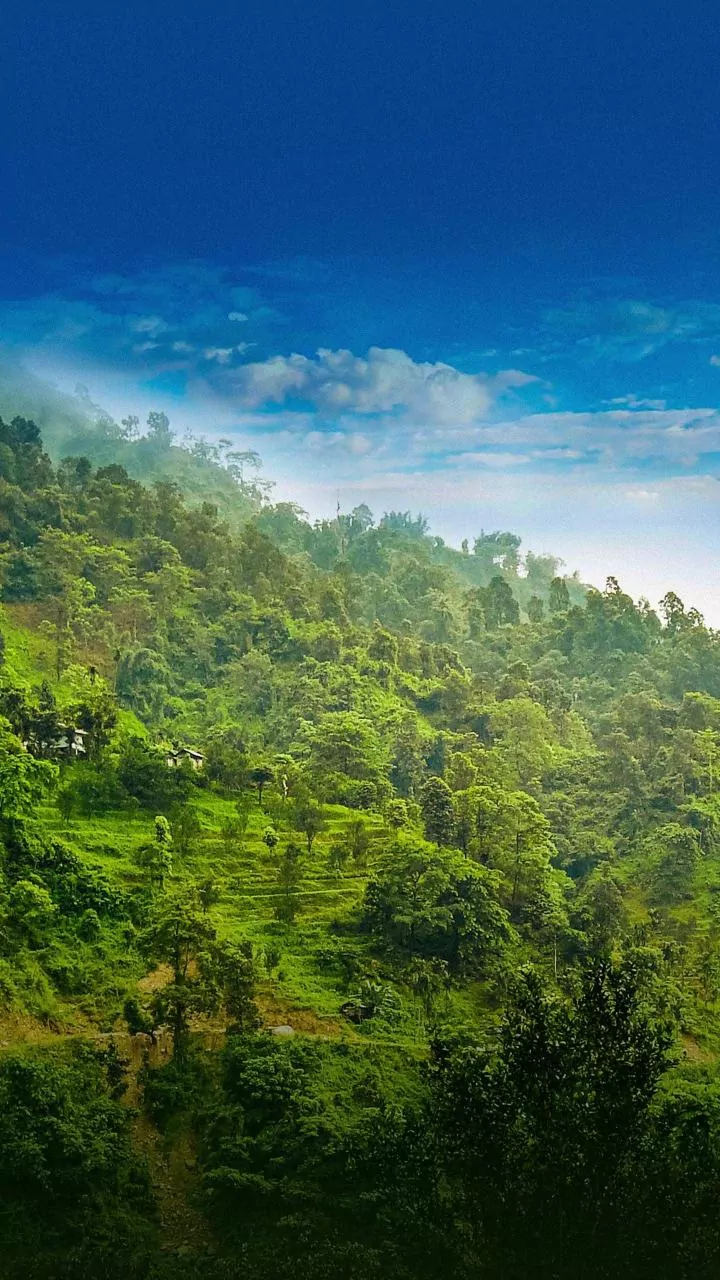
Tucked away in the northeastern corner of India, Meghalaya lives up to its name, which translates from Sanskrit to “the abode of clouds.” This remote, hilly state is a world apart, a rolling landscape of lush green hills, deep valleys, and dense forests.
For most of the year, it’s a beautiful but quiet region. But from June to September, something magical happens. The monsoon arrives, not with a gentle drizzle, but with a relentless, world-shaping deluge. The clouds don’t just pass over Meghalaya; they settle in, draping the hills in a perpetual mist and feeding the land with an astonishing amount of water. This annual event isn't seen as an inconvenience to be endured; it's the very pulse of the region, the artist that sculpts its unique identity.
The World's Wettest Address
To understand the scale of the rain, consider this: the state is home to the two wettest places on Earth. The villages of Mawsynram and Cherrapunji (also known as Sohra) receive more rainfall in a year than most major U.S. cities see in a decade. Mawsynram holds the Guinness World Record, averaging about 467 inches of rain annually—that’s nearly 39 feet. For comparison, famously rainy Seattle gets about 38 inches. This incredible precipitation is the result of a perfect storm of geography. Moisture-rich monsoon winds sweep in from the Bay of Bengal and are funneled directly into the Khasi Hills. Unable to pass over the steep cliffs, the clouds are forced to rise, cool, and dump their immense watery cargo, day after day, week after week.
A Symphony of Waterfalls
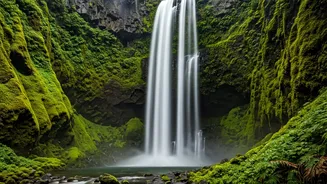
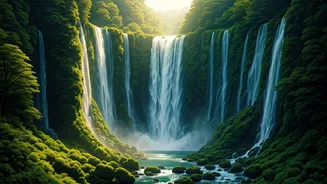
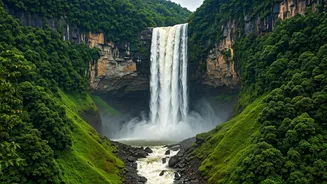
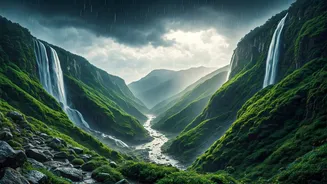
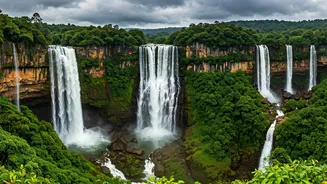
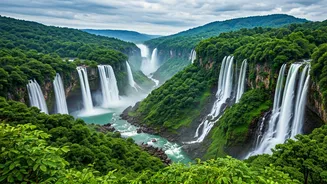
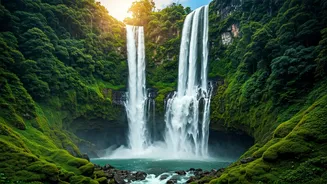
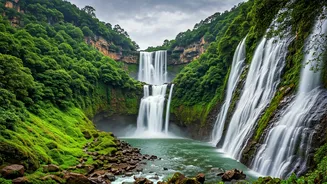
The result of this epic rainfall is a landscape that seems to spring to life with water. The “waterfall wonderland” is no exaggeration. During the monsoon, the entire state becomes a dynamic water park. Rivulets appear on every hillside, streams swell into roaring rivers, and cliffs that were bare rock just weeks before become spectacular, thundering waterfalls. Some are permanent icons, like the Nohkalikai Falls, India's tallest plunge waterfall, which drops over 1,100 feet into a stunning turquoise pool below. Nearby, the Seven Sisters Falls (Nohsngithiang Falls) presents a magnificent curtain of seven separate streams cascading down a limestone cliff. But the real magic is in the countless unnamed, temporary falls that appear everywhere, turning any drive through the state’s winding roads into an awe-inspiring spectacle.
Bridges Grown, Not Built
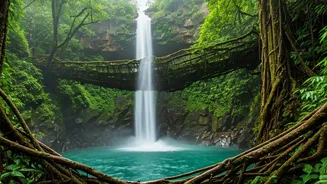
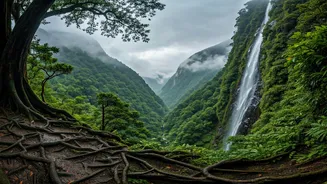
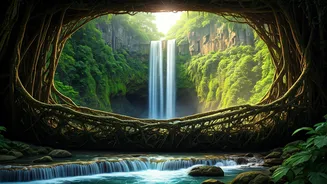
This intense relationship with water has fostered incredible human ingenuity. The best example is Meghalaya’s famous living root bridges. For centuries, the indigenous Khasi and Jaintia peoples have trained the aerial roots of rubber fig trees to grow across rivers and gorges. In an environment where a wooden bridge would quickly rot away, these living structures grow stronger over time, with some lasting for hundreds of years. Weaving the roots through hollowed-out bamboo or betel nut trunks, they guide them to the opposite bank. After 15 to 20 years, the roots are strong enough to bear weight. These beautiful, intricate bridges are a perfect symbol of Meghalaya: a testament to how life can not only survive but thrive in harmony with one of nature’s most powerful forces.