





More Than Just Breathing While You Run
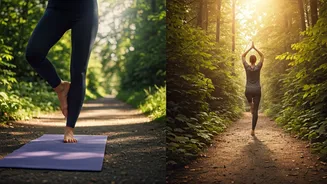
When you hear “breathwork and movement,” it’s easy to think of simply remembering to breathe during a jog. But this emerging trend is far more intentional. It’s about making the breath the central pillar of the physical practice, not an afterthought.
Modalities range from “somatic breathwork” classes to “integrative movement,” but the core idea is the same: using specific, controlled breathing patterns to guide, deepen, and power your physical actions. Think of it as the difference between passively listening to music and actively playing an instrument. In these workouts, your breath isn't just background noise; it's the engine, the rhythm, and the focus of the entire session. The goal is to consciously link your respiratory system with your muscular and nervous systems, creating a unified mind-body experience that traditional exercise often misses.
The Rise of the Anti-Burnout Workout
So, why is this happening now? In many ways, it’s a direct response to the pervasive “no pain, no gain” fitness culture that has dominated for decades. Many people are feeling burned out by grueling, high-impact routines that can leave them feeling depleted and disconnected from their bodies. The relentless pursuit of aesthetic goals or performance metrics has led to a collective yearning for a more sustainable, nourishing approach to movement. This new trend offers an alternative. By focusing on internal sensations and nervous system regulation, it shifts the goal from conquering your body to collaborating with it. It taps into the growing mainstream understanding of mindfulness and the nervous system’s role in overall health, promising a workout that not only builds strength and flexibility but also actively calms stress and anxiety.
What Are the Supposed Benefits?
Proponents of this integrated approach point to a wide range of benefits for both mind and body. On the mental front, conscious, diaphragmatic breathing is known to activate the parasympathetic nervous system—our body's “rest and digest” mode. By pairing this with movement, you can train your body to remain calm and centered even during physical exertion, which can translate into lower daily stress levels and improved emotional regulation. Physically, controlled breathing can enhance core stability, improve oxygen flow to muscles, and promote more efficient movement patterns. This focus on proper mechanics can reduce the risk of injury and help you get more out of every stretch and flex. Practitioners often report feeling not just physically tired but mentally clear and emotionally grounded after a session—a stark contrast to the jittery, adrenaline-fueled exhaustion that can follow a more conventional workout.
What to Expect in a Typical Class
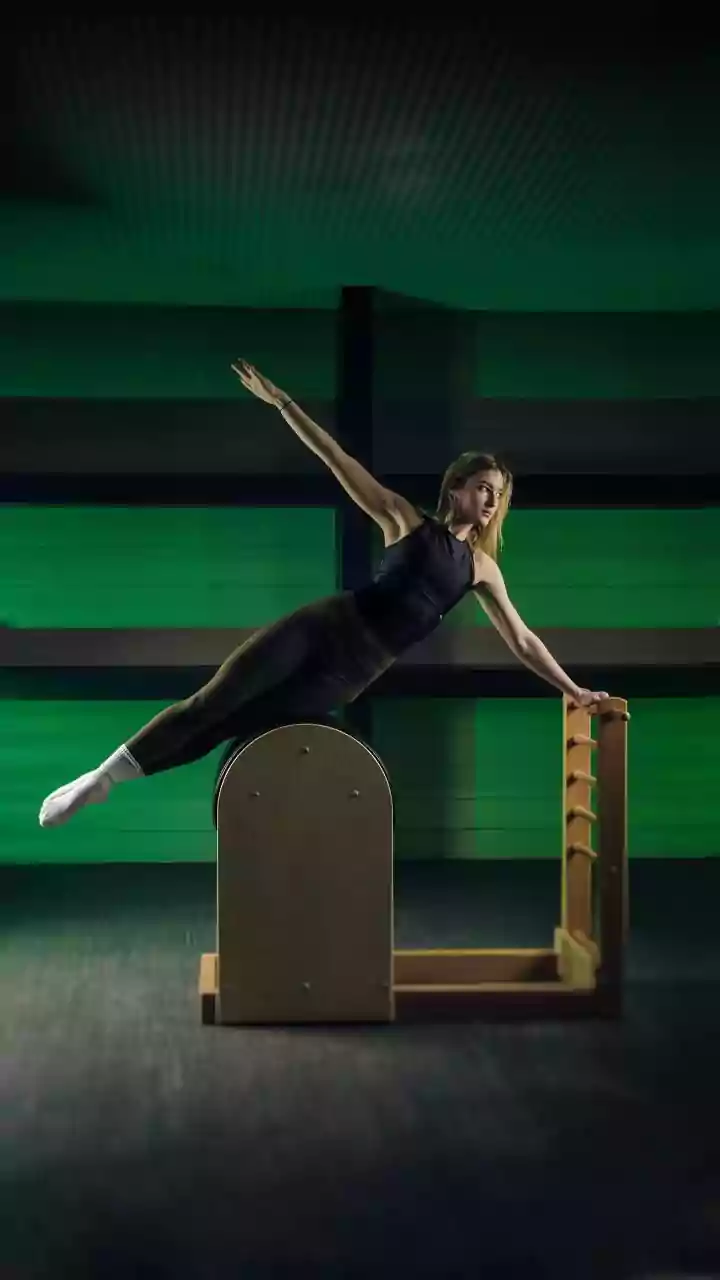
While every studio and instructor has a unique style, a typical breathwork-and-movement class often begins with a focus on stillness. You might be guided through several minutes of breathing exercises to ground yourself and connect with your body. From there, the session gradually builds. The movement itself is often fluid and intuitive, incorporating elements of yoga, dynamic stretching, and somatic exercises that encourage you to explore how your body feels, rather than forcing it into perfect poses. The instructor will provide specific breathing cues to pair with each movement—for example, a long, slow exhale as you fold forward, or a powerful, sharp inhale as you expand. The music is often atmospheric and supportive, and the lighting may be kept low to encourage an inward focus. The class might end as it began, with a period of quiet reflection or a guided meditation to integrate the experience.