





From Chore to Exploration
Forget the mindless loop around the neighborhood. The new school of dog walking is about intentionality. It’s about treating the outing not as a bathroom break, but as an enriching experience for the dog. Enthusiasts call it a “sniffari”—a sensory safari
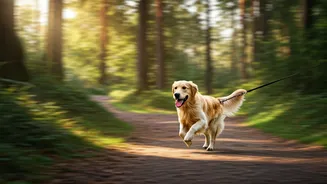
where the dog is encouraged to lead with its nose, exploring new scents, textures, and sounds at its own pace. This means ditching the hurried pace and rigid heel command in favor of a long leash and a sense of curiosity. Instead of the same old fire hydrant, owners are seeking out new destinations: a wooded trail a short drive away, a dog-friendly beach during the off-season, or even an unexplored urban park across town. The goal is novelty and mental stimulation, turning a 30-minute walk into a genuine excursion.
The Rise of the 'Fur Baby' Adventurer
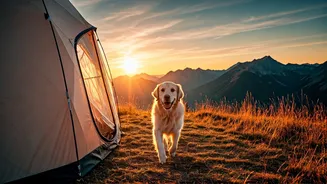
This shift is deeply connected to the “pet humanization” trend, where dogs are viewed less as property and more as integral family members. If you’d plan a fun weekend outing for a child, the thinking goes, why not for your dog? This mindset is particularly prevalent among Millennial and Gen Z pet owners, who prioritize experiences over material goods and often delay or forgo having children, pouring their nurturing energy into their pets. They see their dogs as companions deserving of happiness, mental wellness, and a life beyond the backyard. Social media platforms like Instagram and TikTok amplify this, with feeds full of happy dogs hiking mountains, paddling in kayaks, and joyfully exploring new landscapes. This digital scrapbook of shared adventures inspires others to level up their own walking game.
A New Kind of Local Travel
You don’t need to book a flight to have a travel experience. This trend reframes exploration as something accessible and local. It encourages people to see their own communities through a new lens. That state park you’ve always meant to visit? It’s a perfect half-day trip with your pup. That quiet conservation land just outside of town? It’s a whole new world of smells for your canine companion. This form of micro-tourism offers a powerful antidote to the burnout of daily life. It provides a structured reason to get out of the house, disconnect from screens, and engage with the physical world. For the owner, it’s a low-cost, low-stress way to break the routine and discover hidden gems in their own backyard. For the dog, it’s a thrilling burst of mental and physical exercise that can reduce boredom-related behavioral issues.
Gearing Up for the Journey
As with any activity, the right gear can enhance the experience. The rise of the doggie-adventure walk has spurred a market for practical, durable equipment. This isn’t about fashion; it’s about function. Long-line leashes, typically 15 to 30 feet, give dogs the freedom to explore safely in open areas without being fully off-leash. Dog-specific backpacks allow them to carry their own water and collapsible bowl, adding a sense of purpose. For more rugged terrain, owners invest in protective booties to shield paws from hot pavement or sharp rocks, and cooling vests for summer hikes. Having a dedicated “adventure bag” ready to go—packed with a pet first-aid kit, high-value treats, and poop bags—makes spontaneous trips easier, further blurring the line between a simple walk and a planned outing.
How to Plan Your First Micro-Adventure
Ready to try it? Start small. Use apps like AllTrails or BringFido to filter for dog-friendly trails or parks near you. Check the regulations beforehand—some places require leashes of a certain length, while others have specific on-leash and off-leash areas. On the walk itself, change your mindset. Let your dog set the pace. If they want to spend five minutes sniffing a single bush, let them. This is their time to process the world through scent. Pay attention to their body language; a wagging tail, relaxed posture, and engaged nose are signs of a happy explorer. The true success of the trip isn’t measured in miles covered, but in the quality of the shared experience.