






What Exactly Is a Micro-Workout?
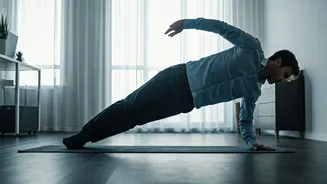
Forget the hour-long spin class or the punishing weightlifting session. A micro-workout is a short, intentional burst of physical activity, typically lasting anywhere from 2 to 10 minutes. The key isn't just the brevity, but the intention. It’s not about
replacing longer workouts entirely, but about supplementing them or, more importantly, establishing a baseline of activity on days when a full session isn’t feasible. Think of it as 'exercise snacking' — small, frequent portions of movement throughout your day instead of one large, overwhelming 'meal.' This could be a set of squats while your coffee brews, a brisk walk up and down the stairs between meetings, or a few minutes of jumping jacks to break up an afternoon slump.
But Do They Actually Work?
It’s natural to be skeptical. Can a few minutes of effort really move the needle on your health? The science says yes. Research has shown that even very short bouts of vigorous exercise can yield significant benefits. Studies published in journals like the American College of Sports Medicine's Health & Fitness Journal highlight that these 'exercise snacks' can improve cardiovascular fitness, help regulate blood sugar, and boost metabolism throughout the day. The cumulative effect is powerful. While one 5-minute session won’t transform your body overnight, three or four of them scattered throughout the day add up to 15-20 minutes of solid activity — easily meeting a portion of the recommended daily guidelines for physical activity and, crucially, breaking up long periods of sedentary time, which is a major health risk on its own.
Escaping the All-or-Nothing Trap
Perhaps the biggest benefit of micro-workouts is psychological. For many, fitness is governed by an 'all-or-nothing' mindset: if you can’t make it to the gym for a full hour, you might as well do nothing. This thinking is a primary reason why so many people fall off the fitness wagon. Micro-workouts dismantle that barrier. They reframe exercise not as a monolithic event that requires scheduling and preparation, but as a fluid part of your daily life. By proving you can get your heart rate up and feel accomplished in just a few minutes, you build consistency and confidence. This small-wins approach makes fitness feel less like a chore and more like a simple act of self-care, as natural as brushing your teeth.
Your No-Equipment Micro-Workout Menu
The beauty of this approach is its simplicity. You don't need a gym, special clothes, or complicated equipment. Here are a few examples you can do almost anywhere: • **The Coffee Break Circuit (4 Minutes):** While your coffee is brewing or your tea is steeping, cycle through these for 45 seconds each, with 15 seconds of rest in between: jumping jacks, wall push-ups, bodyweight squats, and high knees. • **The Desk-Job Reset (3 Minutes):** Set a timer and do each for one minute: chair tricep dips (using a sturdy, non-rolling chair), glute bridges (lying on the floor), and a plank. • **The Stairwell Power-Up (5 Minutes):** Find a staircase and walk or jog up and down it for five minutes straight. It's a surprisingly effective way to elevate your heart rate and work your legs.
How to Build a Lasting Habit
Starting is easy; sticking with it is the challenge. The best way to make micro-workouts a permanent part of your life is to link them to existing habits, a strategy known as 'habit stacking.' For example: 'After I finish a Zoom call, I will do 20 push-ups.' Or, 'Every time I go to the kitchen for a glass of water, I will do 15 calf raises.' Start with just one or two of these a day. Don't overwhelm yourself. The goal is to make the new behavior so automatic that you don't even have to think about it. Track your small wins and notice how much better you feel—more energy, better mood, and a sense of accomplishment that a missed gym session can no longer take away.