

Rethink Your Wardrobe Entirely
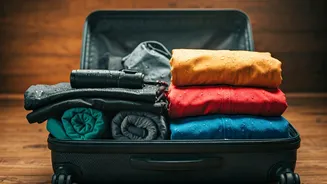
This is the cardinal rule of monsoon travel: leave the cotton and denim at home. Once wet, they take forever to dry in high humidity and can quickly develop a musty smell. Instead, build your wardrobe around quick-drying synthetic fabrics like nylon,
polyester, and merino wool. These materials wick moisture away from your skin and will actually dry overnight in a hotel room. Think athletic shirts, travel-specific pants, and synthetic-blend undergarments. You’ll pack lighter and stay far more comfortable.
Choose Your Footwear Wisely
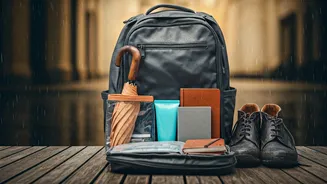
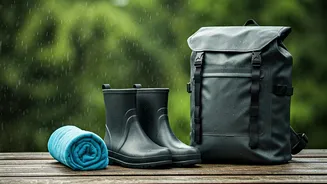
Your first instinct might be to pack waterproof hiking boots, but this can be a mistake. In a true deluge, water will inevitably get in over the top, and then you’re stuck with a heavy, waterlogged shoe that won’t dry. A better strategy is to embrace the wetness with the right footwear. High-quality, rubberized sandals with good grip (think brands like Keen or Teva) are perfect. They let your feet get wet and dry quickly without giving you blisters. For times you need closed-toe shoes, pack a pair of lightweight, breathable mesh sneakers you don’t mind getting soaked, and stuff them with newspaper at night to speed up drying.
Pack a 'Dry Bag' for Your Tech
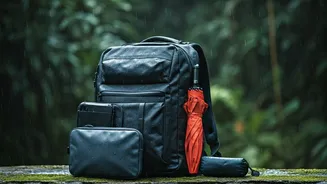
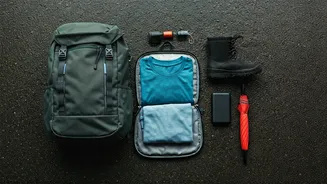
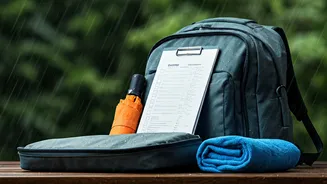
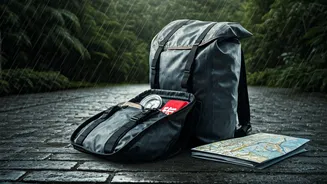
Your electronics are your enemy in a monsoon. A sudden downpour can destroy a phone, camera, or laptop in seconds. A 'dry bag'—the kind kayakers use—is a non-negotiable item. They are inexpensive, lightweight, and 100% waterproof. Keep your passport, phone, wallet, and portable charger in a small dry bag inside your main backpack. This simple step provides total peace of mind, whether you're caught in a flash flood on a city street or splashed during a boat ride. Pro tip: Toss a few silica gel packets (the kind that come in shoe boxes) into the bag to absorb any ambient moisture.
Be a Skeptic About Street Puddles
Heavy rains can overwhelm local drainage systems, mixing rainwater with sewage and other contaminants. That ankle-deep puddle you’re about to wade through might be a lot grosser than it looks. This is where those rubber sandals come in handy, but it’s also a health consideration. Always wash your feet and hands thoroughly after being out and about. Carry a travel-sized bottle of antibacterial hand sanitizer and some antiseptic wipes for small cuts or scrapes, as infections can happen more easily in humid climates.
Build Flexibility into Your Itinerary
Monsoon weather can wreak havoc on transportation schedules. Ferry services get canceled, roads can become impassable, and flights are often delayed. Don't book a tight, back-to-back itinerary. Give yourself buffer days between key locations. Think of it as forced relaxation. Use a canceled boat trip as an excuse to finally read your book, explore a local market in more depth, or take a cooking class—many of which are, conveniently, indoors. The most miserable travelers are the ones who can't adapt when their rigid plans fall apart.
Embrace the Indoor and the Green
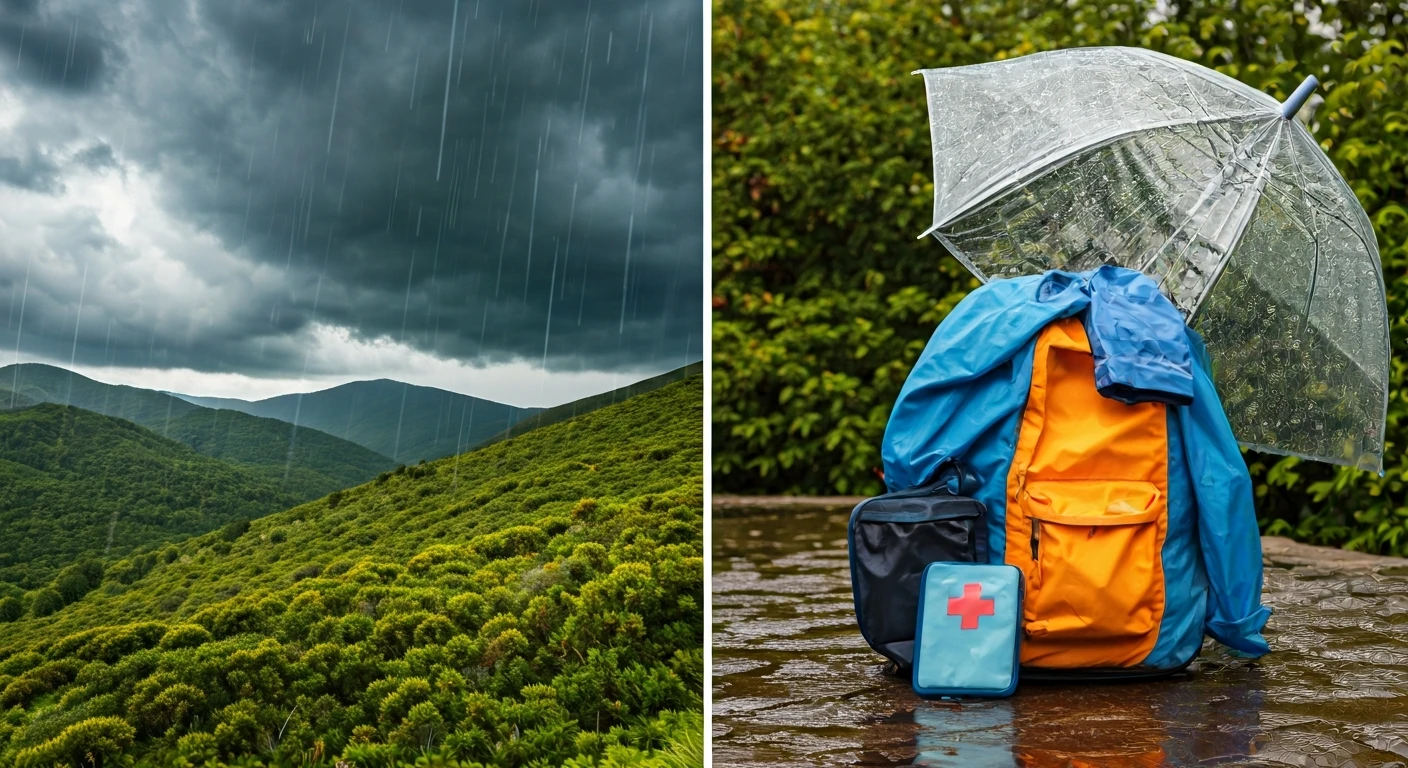
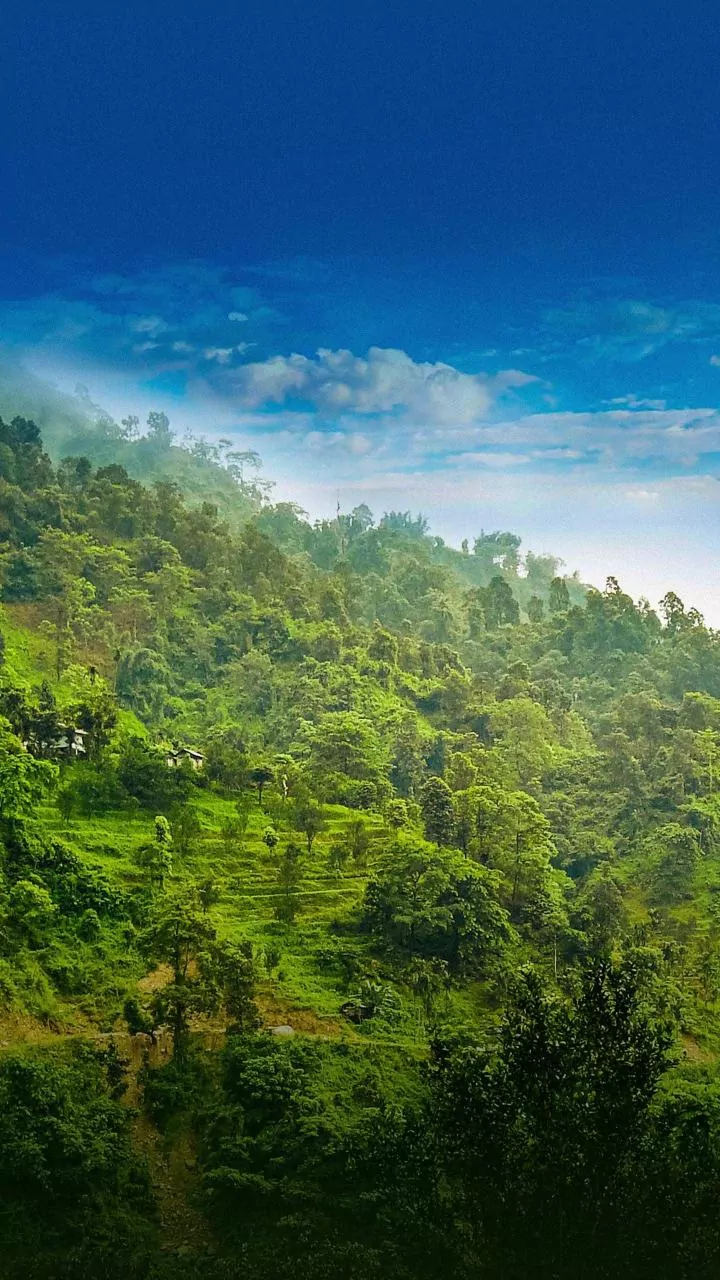
The rain doesn’t mean you have to be stuck in your room. It’s the perfect opportunity to explore a country’s indoor culture. Spend an afternoon hopping between cozy cafes, dive into local museums, or find a covered market to wander through. Furthermore, the rain transforms the landscape. Waterfalls are at their most powerful and spectacular, and the jungles and rice paddies explode in a vibrant, almost neon green. A rainy day isn't a ruined day; it's a chance to see a different, more dramatic side of your destination.