





1. Start at the Source: The Scalp
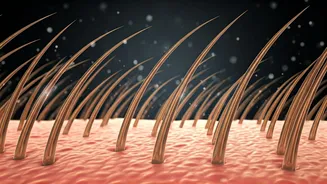
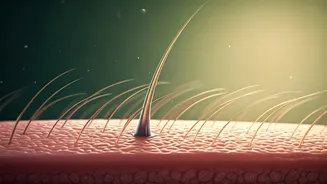
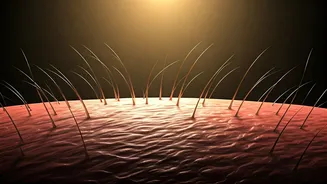
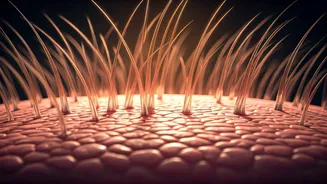
Healthy hair begins with a healthy scalp, a fact often overlooked in the quest for shiny strands. Your scalp is skin, and it needs to be clean to function properly. Product buildup, oil, and dead skin cells can clog hair follicles, potentially impeding
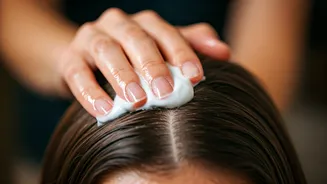
growth and contributing to irritation. The goal isn't to strip your scalp bare, but to create a clean, balanced environment. Start by using a clarifying shampoo once every week or two to remove stubborn residue. When you wash, focus your attention on gently but thoroughly scrubbing the scalp with the pads of your fingers, not your nails. This simple shift in focus from strands to scalp ensures the foundation for hair growth is as healthy as possible.
2. Master the Art of the Gentle Wash
How you wash your hair matters just as much as what you wash it with. Aggressive scrubbing can cause breakage, while improper product application can lead to greasy roots and dry ends. First, use lukewarm water; very hot water can strip natural oils and dehydrate both your hair and scalp. Apply shampoo primarily to the scalp, where oil and dirt accumulate. As you rinse, the suds will run down and cleanse the lengths of your hair without needing direct, friction-filled application. Then, do the opposite with your conditioner. Concentrate it on the mid-lengths and ends, which are the oldest and most fragile parts of your hair. Applying conditioner to the roots can weigh hair down and lead to buildup.
3. Add a Daily Scalp Massage
This might be the most enjoyable—and cheapest—step in your routine. A daily scalp massage doesn't just feel good; it can help stimulate blood circulation to the hair follicles. Increased blood flow delivers more oxygen and nutrients essential for healthy hair growth. You don’t need any special tools. Simply use the pads of your fingertips to apply gentle, circular pressure across your entire scalp for three to five minutes. You can do this on dry hair before bed or while shampooing in the shower. It’s a small, meditative ritual that can make a real difference over time by promoting a healthier scalp environment and reducing stress, another known contributor to hair issues.
4. Rethink Your Drying Method
Your hair is at its most vulnerable when it's wet. The common habit of vigorously rubbing it with a rough cotton towel is a recipe for frizz and breakage. The friction lifts the hair's outer cuticle layer, creating a rough texture and weakening the strand. Instead, gently squeeze excess water out of your hair after your shower. Then, pat it dry with a soft microfiber towel or even an old, clean cotton t-shirt. These materials are much smoother and absorb water without causing unnecessary damage. Whenever possible, let your hair air-dry. If you must use a blow-dryer, use it on the lowest heat and speed setting and always apply a heat protectant spray first.
5. Protect Your Hair While You Sleep
You spend about a third of your life in bed, and all that tossing and turning can take a toll on your hair. Traditional cotton pillowcases can create friction, leading to tangles, breakage, and frizz. The solution is to switch to a smoother surface. A silk or satin pillowcase allows your hair to glide across the surface with minimal friction. If a new pillowcase isn't an option, you can achieve the same effect by loosely tying your hair in a silk or satin scarf or bonnet before bed. This not only protects the hair shaft from physical damage but also helps preserve your hairstyle and prevent moisture loss overnight.