



An Archipelago Apart
Floating in the Bay of Bengal, closer to Myanmar and Thailand than to mainland India, the Andaman and Nicobar Islands are a study in beautiful isolation. This archipelago of over 500 islands—only a few of which are open to tourists—has long been shielded
from mass tourism. The result is an environment that feels raw, pristine, and wonderfully undiscovered. For American travelers accustomed to the Caribbean or Hawaii, the Andamans offer a different kind of allure. The journey is longer, but the reward is a glimpse into a less-trodden world, where dense rainforests tumble down to meet blindingly white sand and the pace of life slows to the rhythm of the tides.
The Serenity: World-Class Beaches
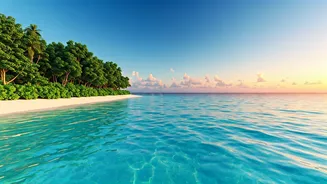
The first half of the Andaman promise is pure, unadulterated beach bliss. The headliner is Radhanagar Beach on Havelock Island (now officially Swaraj Dweep). Consistently ranked among Asia's—and the world's—best beaches, Radhanagar is a magnificent crescent of soft, white sand flanked by lush forest and the calm, impossibly turquoise waters of the bay. There are no jet skis, no loud music, just the gentle lapping of waves. It's the perfect place to do absolutely nothing. But it’s not alone. Nearby Elephant Beach offers a more active scene with snorkeling right off the shore, while the beaches of Neil Island (Shaheed Dweep), like the serene Laxmanpur Beach, are famous for their spectacular sunsets and natural coral bridge formations visible at low tide. This is the tranquility travelers crave: a chance to disconnect on some of the planet's most stunning shorelines.
The Drama: A Living Aquarium
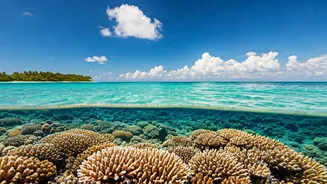
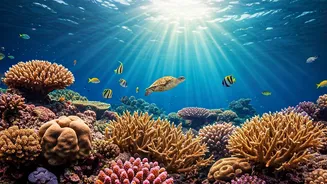
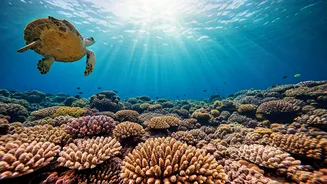
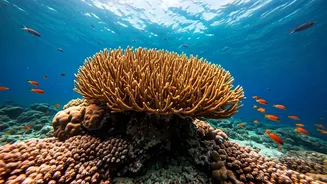
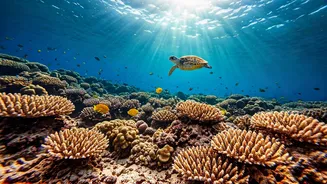
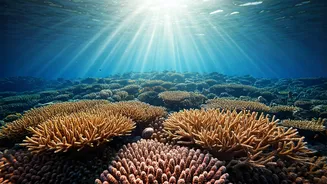
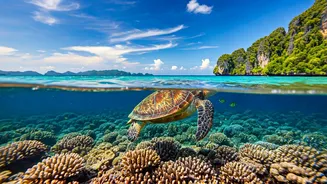
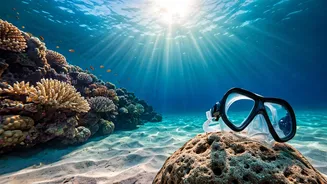
Here's where the Andamans truly set themselves apart. The "underwater drama" is not an overstatement; it's a breathtaking reality. The waters here are a global hotspot for marine biodiversity, boasting some of the richest and best-preserved coral reefs in South Asia. For divers and snorkelers, this is the main event. The hub of the action is Havelock Island, which serves as a base for dozens of dive shops catering to all levels, from first-timers doing a "Discover Scuba" dive to seasoned experts exploring deeper sites. Plunge beneath the surface and you enter a world of organized chaos. Shoals of shimmering fish part before you, majestic sea turtles glide effortlessly past, and vibrant corals—brain, fan, and table—form intricate underwater cities. Sites like Johnny's Reef and The Wall are legendary among divers for their spectacular topography and the chance to spot reef sharks, manta rays, and massive schools of barracuda. This isn't just swimming; it's total immersion in a thriving, dramatic ecosystem.
A Secret Light Show
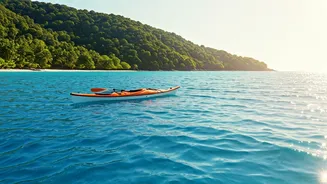
The drama doesn't end when the sun goes down. On moonless nights, the waters around the Andamans can put on a magical performance of their own: bioluminescence. Caused by microscopic phytoplankton that emit light when disturbed, this phenomenon turns the sea into a galaxy of glowing stars. Kayaking or swimming in these waters is a surreal, once-in-a-lifetime experience. As your paddle or hand moves through the water, it leaves a trail of glittering blue-green light. It's a quiet, humbling spectacle that feels like pure magic and serves as a poignant reminder of the natural wonders hidden within this remote paradise.
Planning Your Escape
Getting to the Andamans from the U.S. requires some planning. The typical route involves flying to a major Indian hub like Delhi or Mumbai, then taking a domestic flight to the capital, Port Blair (IXZ). The best time to visit is during the dry season, from October to May. While U.S. citizens can get an Indian e-visa, the Andaman Islands are a designated Restricted Area, so you'll automatically be granted a Restricted Area Permit (RAP) upon arrival at the Port Blair airport, which is usually valid for 30 days. It's also crucial to be a responsible tourist. The islands are home to protected indigenous tribes, including the Sentinelese, who live in voluntary isolation. Their territories are strictly off-limits, and respecting these boundaries is a legal and ethical imperative.