






Why Ferns Feel So Right
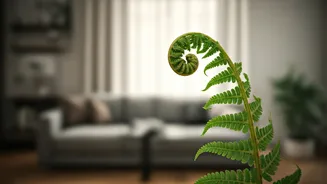
In the world of houseplants, ferns are the old souls. Their lineage stretches back hundreds of millions of years, and they carry an ancient, quiet grace. Unlike the sharp, sculptural lines of a cactus or the bold statement of a Fiddle Leaf Fig, ferns offer
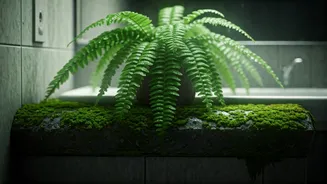
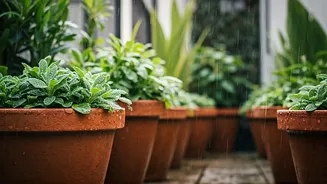
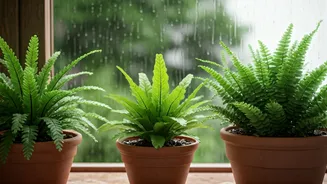
softness. Their feathery fronds, intricate patterns, and arching forms feel like a visual whisper, bringing a sense of calm and natural texture to a space. They are the perfect antidote to the hard lines of urban architecture—concrete floors, metal railings, and brick walls. More than just an aesthetic choice, ferns thrive in the exact conditions that many people find dreary. They love humidity. That damp, heavy air of a summer rainstorm, which can make a balcony feel sticky and forgotten, is a fern’s paradise. They absorb moisture from the atmosphere, and their foliage often appears more vibrant and alive during a downpour. This makes them less of a plant you have to protect from the weather and more of a partner in embracing it, turning a “monsoon” mood from a problem into a feature.
The Best Ferns for Your Balcony
Not all ferns are created equal, especially when it comes to life in a container. Balconies have unique microclimates—some are windy, some are shady, others get blasted with afternoon sun. The key is choosing a resilient variety that matches your light conditions. * **Boston Fern (Nephrolepis exaltata):** The undisputed king of balcony ferns. Its long, arching fronds are lush and classic. Boston Ferns love bright, indirect light and consistent moisture. They are perfect for hanging baskets where their fronds can cascade freely. They adore humidity, so they'll be happiest on a porch in a humid climate or with regular misting. * **Maidenhair Fern (Adiantum):** If you have a shady, sheltered balcony, the Maidenhair Fern is an exquisite choice. Its delicate, fan-shaped leaflets on thin black stems are stunningly beautiful. It's a bit more demanding, needing to stay consistently moist (but not waterlogged) and protected from wind and direct sun. It’s a diva, but a rewarding one. * **Bird's Nest Fern (Asplenium nidus):** For a more modern, structural look, the Bird's Nest Fern is a fantastic option. Instead of lacy fronds, it grows a rosette of wide, wavy, apple-green leaves. It can handle lower light conditions and adds a vibrant pop of solid green. Its wide leaves are great at catching morning dew.
Mastering Moisture and Light
The secret to happy ferns is mimicking their native habitat: the forest floor. This means two things: dappled light and consistent moisture. Most ferns will scorch in direct, intense afternoon sun. An east-facing balcony (morning sun) or a north-facing one (indirect light all day) is often ideal. If you have a sunny west or south-facing balcony, you’ll need to place your ferns behind a taller plant or use a shade cloth to filter the light. When it comes to water, “consistently moist” is the mantra. This does not mean soaking wet. Allow the top inch of soil to feel slightly dry before watering thoroughly until water runs out of the drainage hole. Never let a fern completely dry out, as the delicate fronds can quickly turn brown and crispy. To boost humidity on dry days, you can group your plants together, place them on a tray of pebbles filled with water (a humidity tray), or give them a gentle misting in the morning.
Styling Your Green Escape
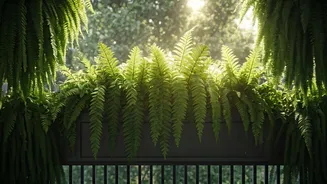
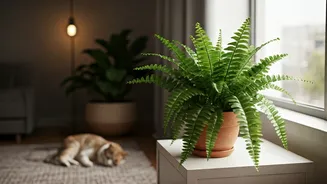
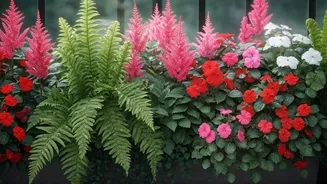
A single fern is lovely, but a collection is an experience. To create that immersive, jungle-like feel, play with variety and placement. Combine ferns with different textures—the feathery Boston Fern next to the solid Bird's Nest Fern, for example. Use pots of varying heights and materials to add visual interest. A classic terracotta pot will help the soil breathe, while a glazed ceramic pot can add a splash of color. Hanging baskets are a balcony’s best friend, freeing up precious floor space and allowing the ferns' cascading fronds to create a beautiful green canopy. You can also use wall planters or railing-mounted boxes to build a vertical garden. Intersperse your ferns with other shade-loving plants like caladiums or hostas for more color and texture. The goal is to create layers of green that draw the eye and make the space feel like a secluded, natural retreat.