






The Rise of the ‘Shoulder Season’
The classic American vacation is a well-worn script: pack up the car in July, fight for a spot on a crowded beach, and pay a premium for the privilege. For years, this was just the cost of admission. But for a growing number of Gen Zers (those born roughly
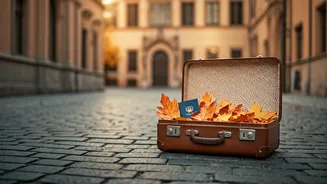
between 1997 and 2012), that script is being tossed out. Instead of the frantic energy of June through August, they are embracing the “shoulder seasons”—the pleasant, less-crowded periods of spring and fall. Think a trip to the coast in September when the water is still warm but the crowds have thinned, or a European city break in April before the summer hordes descend. Travel data supports this shift, with searches and bookings for destinations in months like September, October, and May seeing a significant uptick among younger demographics. They aren't anti-vacation; they're anti-madness.
Driven by Dollars and Sense
A primary motivator for this travel rebellion is, unsurprisingly, money. Saddled with student loan debt, facing inflated costs for everything from rent to groceries, Gen Z has a pragmatic approach to spending. Paying double for a flight just to travel in July doesn’t compute. Off-season and shoulder-season travel can slash costs by 25-50%, making vacations more accessible. A flight and hotel package that’s prohibitively expensive in August can become a feasible splurge in October. This isn't just about being cheap; it's about being smart. They're seeking maximum value, preferring to spend their money on unique experiences—a cooking class, a guided hike, a great local meal—rather than on an overpriced plane ticket. The flexibility afforded by remote and hybrid work for some younger professionals also makes it easier to take a week off in October than it was for previous generations locked into a rigid, office-centric calendar.
Searching for Authenticity, Not Crowds
Beyond the financial incentives, there's a powerful cultural driver at play: the pursuit of authenticity. Peak season often means long lines, packed attractions, and a tourist experience that feels manufactured. Gen Z travelers, raised on social media feeds that prize unique and genuine-seeming moments, are actively seeking to avoid this. They don't want the same picture in front of the Eiffel Tower that millions of others have taken that same summer. They want the quiet Parisian café in the rain, the empty hiking trail in a national park, or the chance to connect with locals who aren't exhausted by an onslaught of tourists. Traveling in the off-season provides a better environment for these kinds of spontaneous, memorable discoveries. It transforms a trip from a checklist of sights to see into a more immersive cultural experience.
The ‘Dupe’ Destination Effect
This rejection of peak-season norms extends to destinations, too. While previous generations might have fixated on Rome, Paris, or Cancún, Gen Z is pioneering the concept of the “dupe” destination, a term borrowed from TikTok’s beauty community. A travel dupe is a less-famous, less-crowded, and less-expensive alternative that offers a similar vibe to a popular hotspot. Instead of Santorini, maybe it’s the Greek island of Paros. Instead of Lisbon, it might be Porto. Social media platforms like TikTok and Instagram are instrumental here, with creators sharing hidden gems and travel hacks that inspire millions to look beyond the obvious. This behavior not only saves money but also helps alleviate the pressures of over-tourism on iconic cities, spreading the economic benefits of travel to new places. It's a savvy, conscious way to explore the world that benefits both the traveler and, in some cases, the destination.