

An Atmosphere You Can Wear
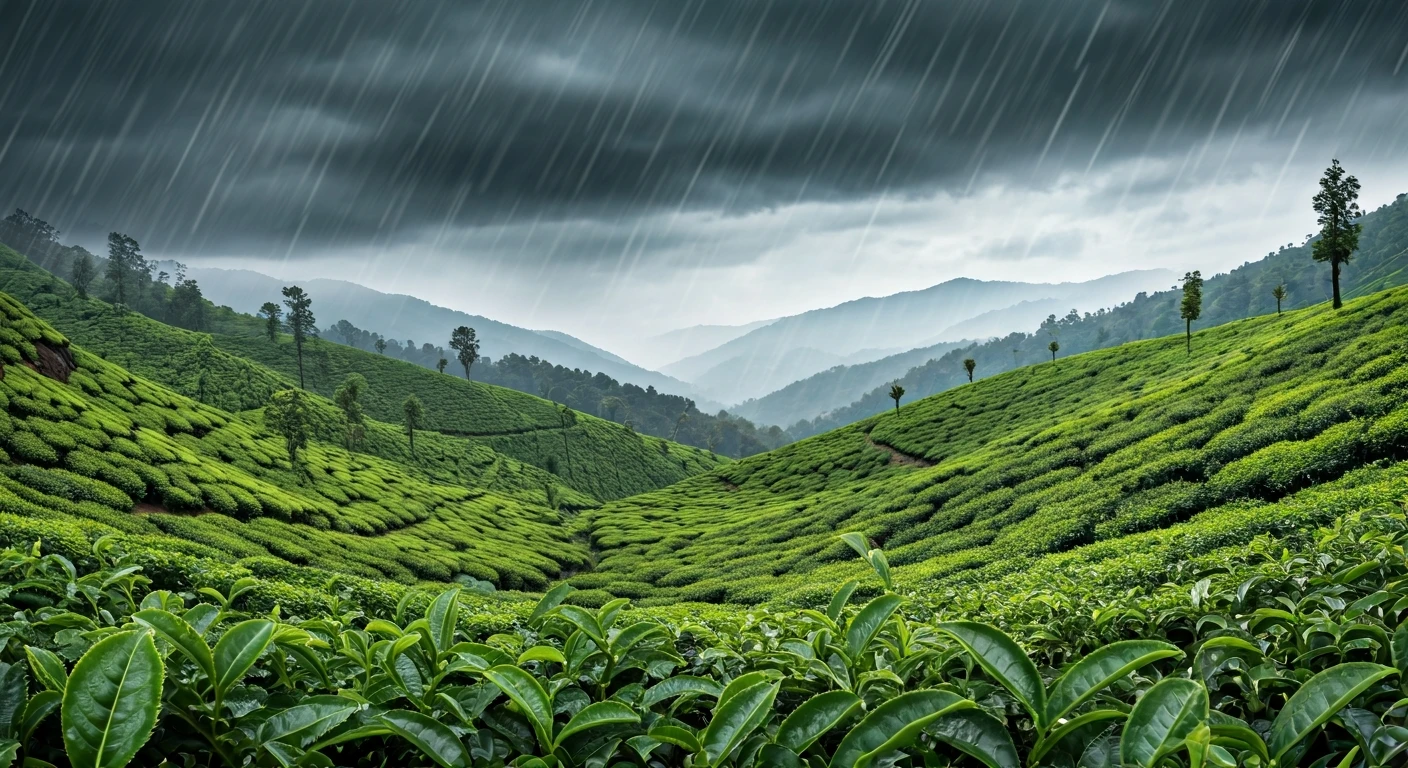
In most travel guides, the monsoon season, typically running from June through September, is presented as a time to avoid. Not in Darjeeling. Here, the persistent rain and thick, rolling fog are the main attraction. For the traveler weary of crowded,
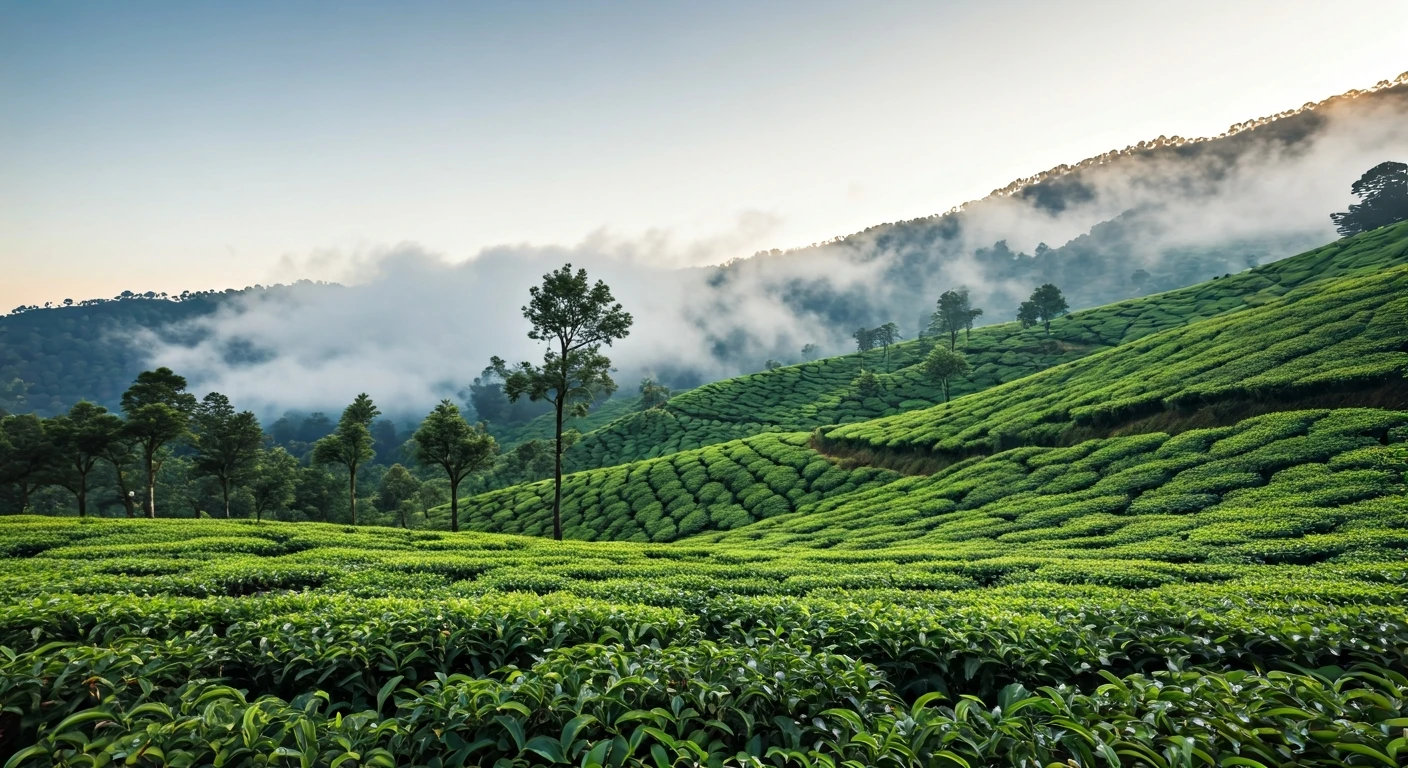
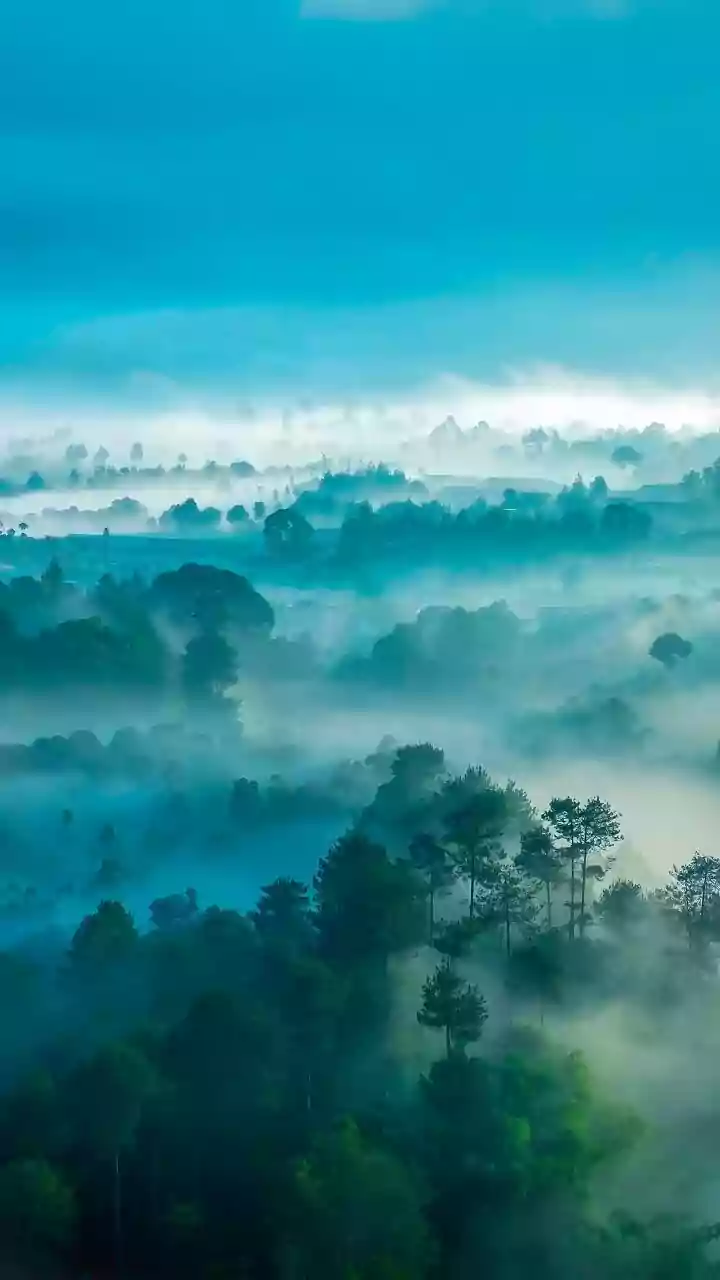
sun-bleached destinations, this season transforms the Himalayan foothill town into an ethereal dreamscape. The mist isn't a nuisance that obscures the view; it *is* the view. It drapes itself over colonial-era buildings, softens the edges of the sprawling hills, and turns a simple walk into a journey through a living watercolor painting. It’s an immersive experience, a cool, damp cloak that encourages a slower, more introspective pace.
A Town Suspended in Time
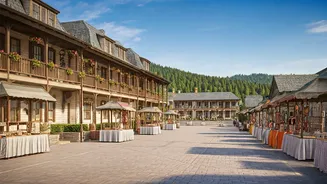
Darjeeling’s British colonial past is always present in its architecture, but never more so than when the fog rolls in. Grand hotels with gabled roofs, stone churches, and quaint cottages look as if they’ve been pulled from a 19th-century English novel. Strolling along the famous Mall Road or Observatory Hill, you’ll see familiar landmarks appear and disappear into the shifting clouds. The absence of long-distance vistas forces your attention to the immediate and the intimate: the intricate ironwork on a gate, the vibrant prayer flags fluttering silently in the damp air, the sudden bloom of a rhododendron. The mist mutes the noise of the modern world, leaving behind a profound and peaceful quiet.
The Soul of Darjeeling: Tea
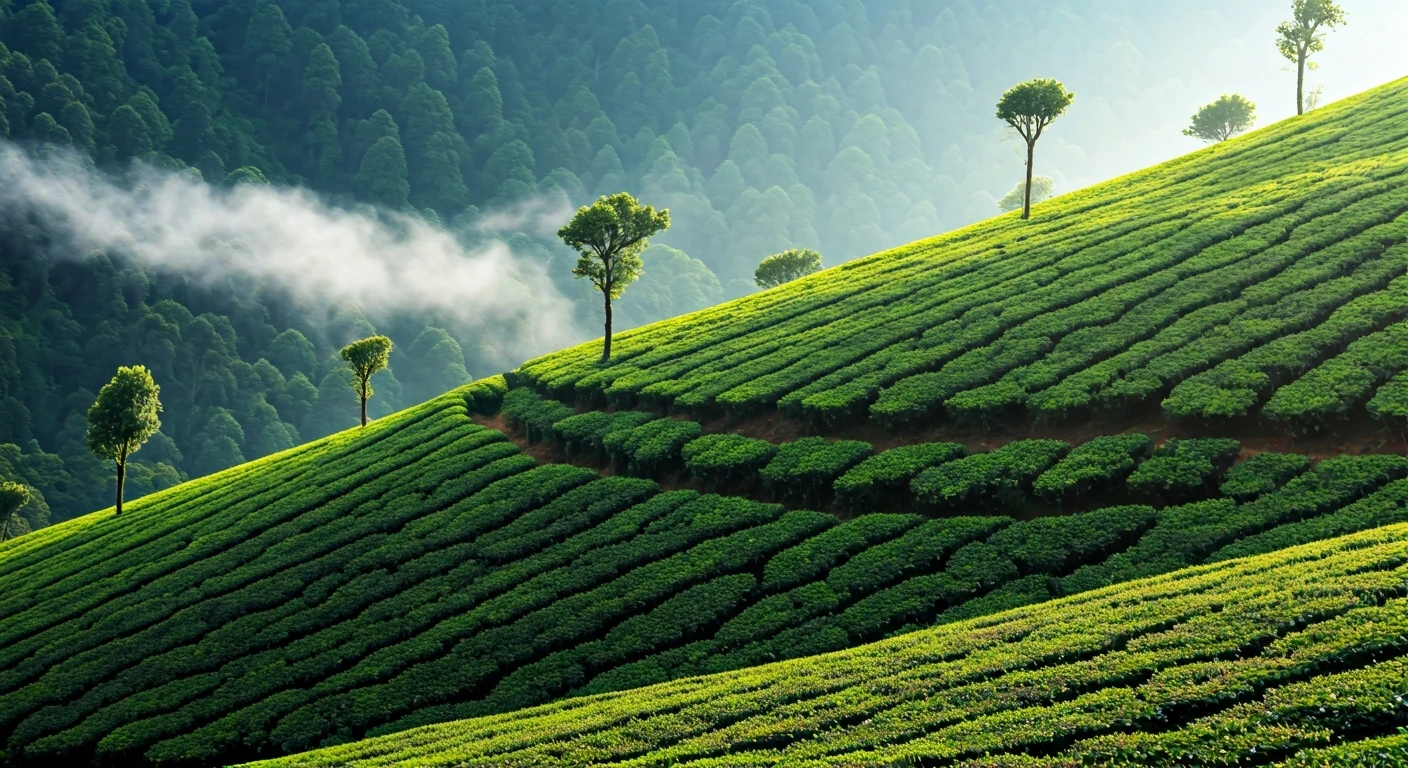
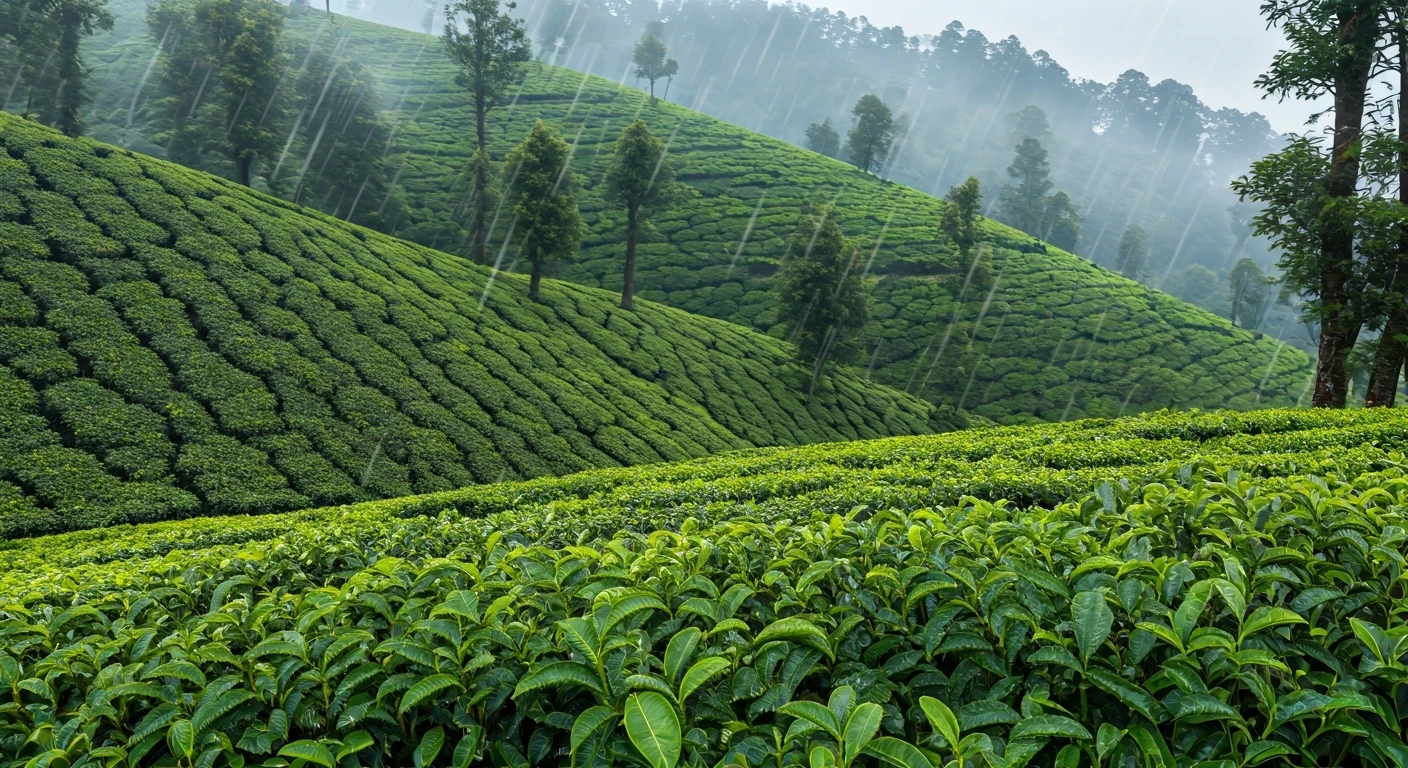
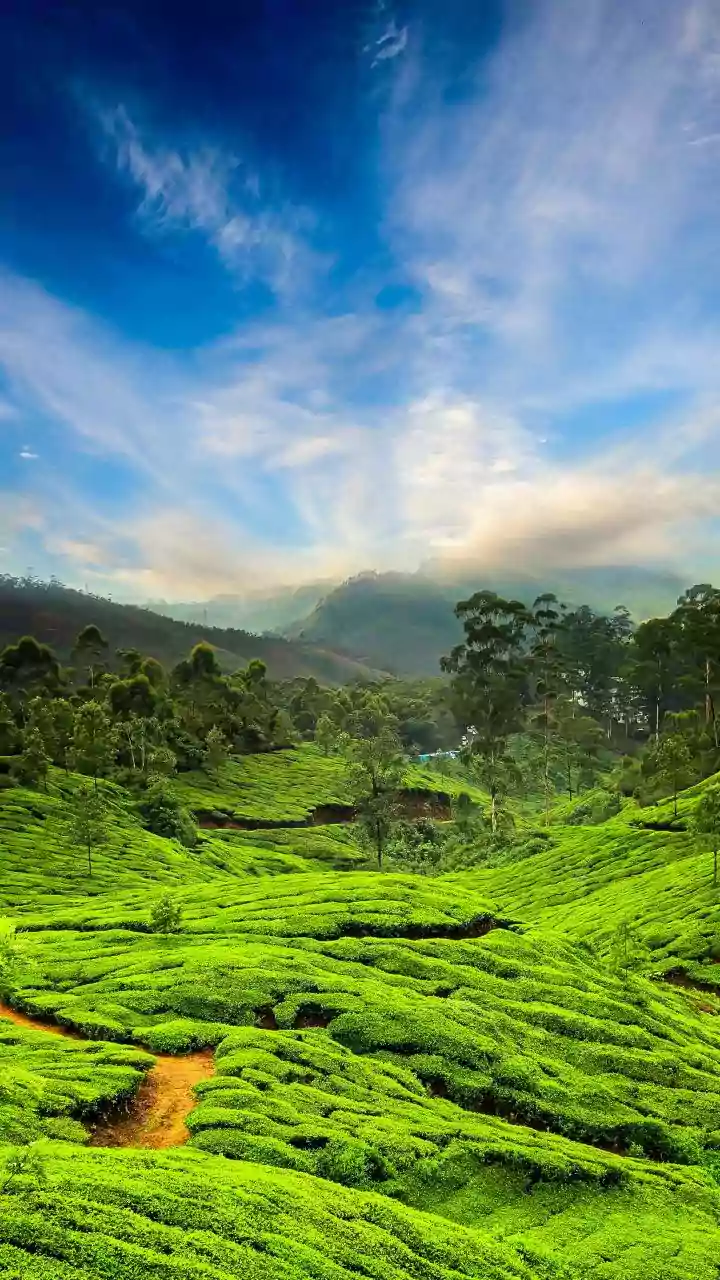
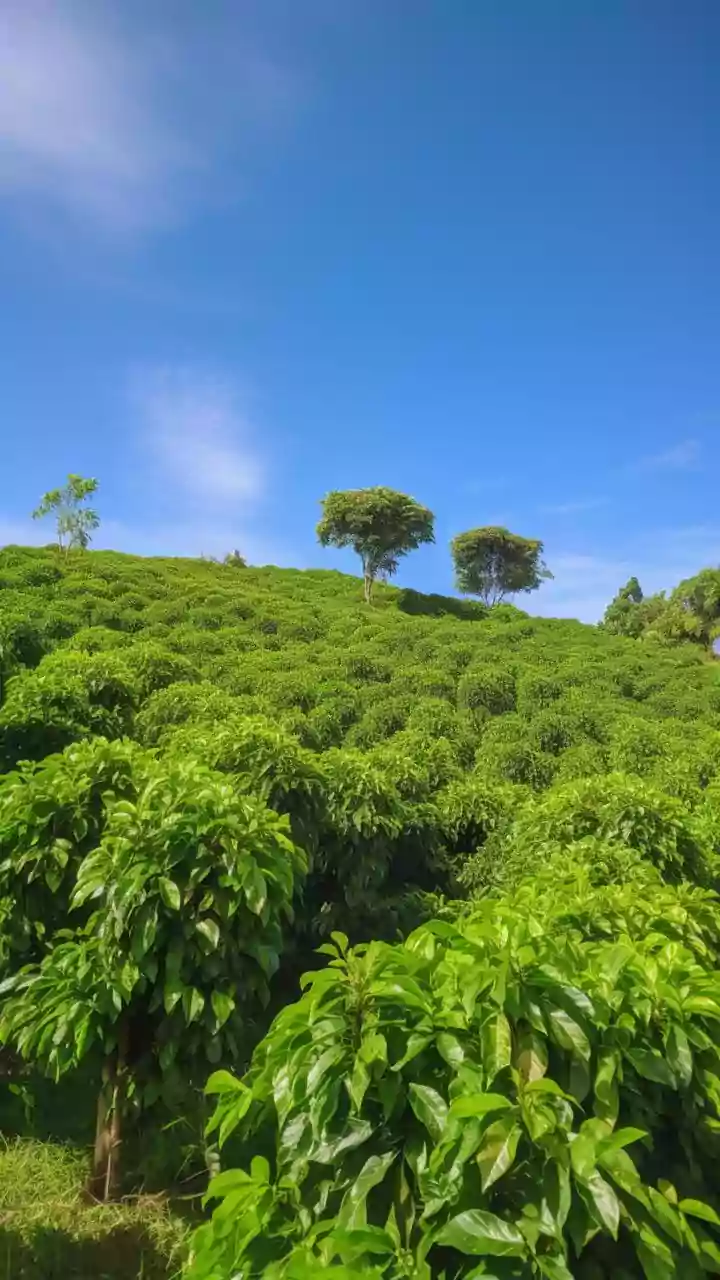
You cannot think of Darjeeling without thinking of tea, and the monsoon is the season that gives the plant its life. This is when the tea gardens are at their most lush and vibrant, a sea of brilliant green against the gray sky. While this “second flush” period is critical for the harvest, it’s also a perfect time for visitors to understand the soul of the region. A visit to an estate like Glenburn or Makaibari offers a different perspective. Instead of just tasting the final product, you experience the environment that creates its world-famous muscatel flavor. The aroma of tea leaves mingles with the scent of rain-soaked soil, creating a perfume unique to this time and place.
Riding the Mythic Toy Train
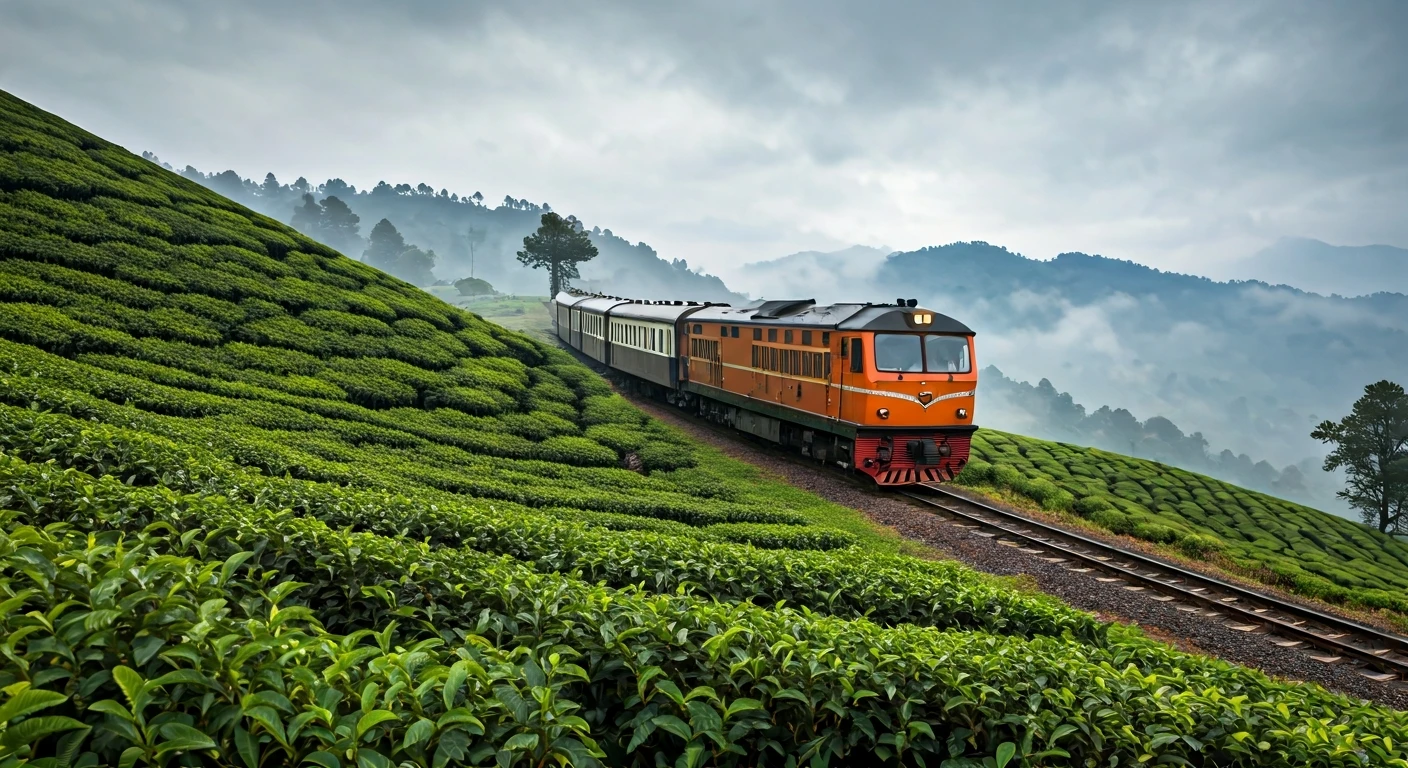
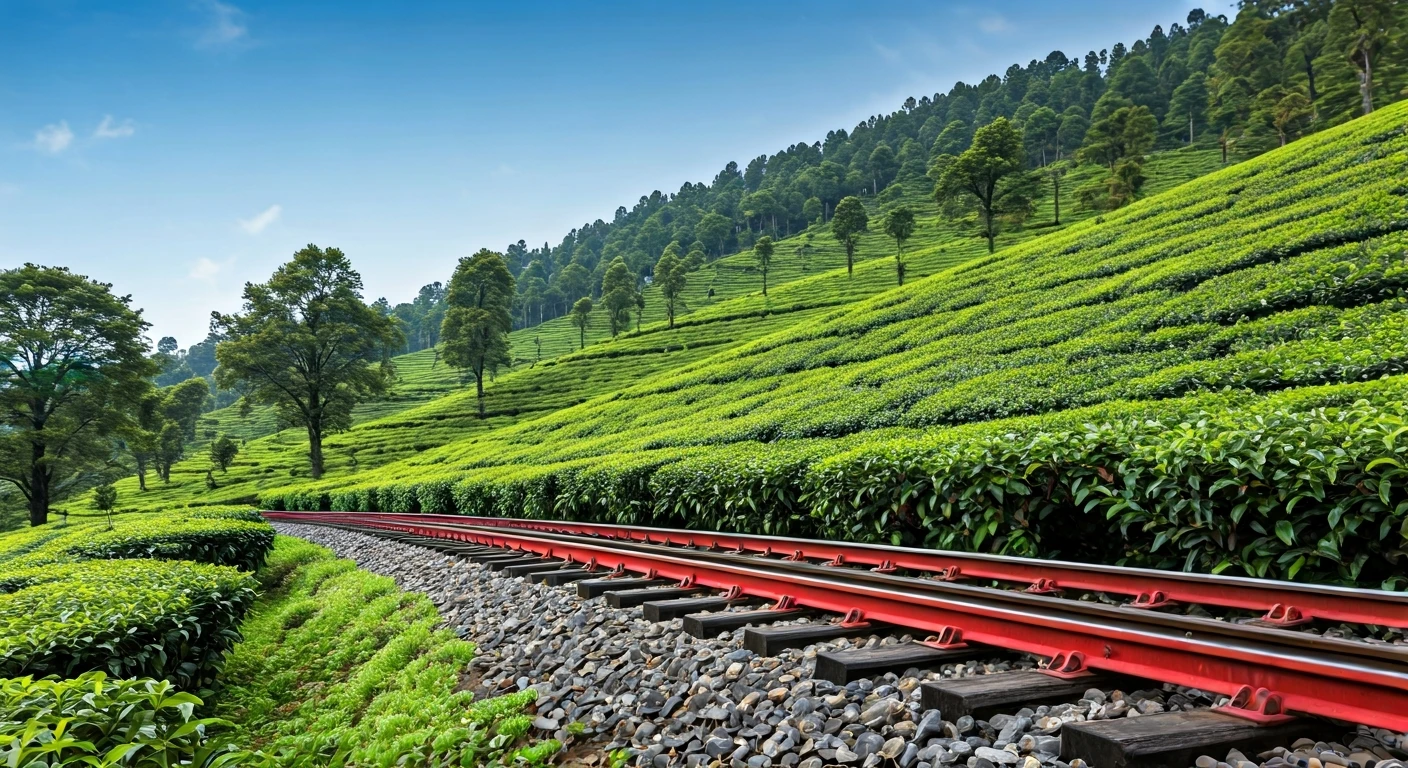
The Darjeeling Himalayan Railway, a UNESCO World Heritage site affectionately known as the “Toy Train,” is an essential experience made magical by the mist. As the narrow-gauge steam engine chugs slowly up the steep inclines, it passes through curtains of fog, revealing and concealing the dramatic landscape. The journey becomes a series of enchanting vignettes: a gushing waterfall right beside the tracks, a tiny village station materializing from the white, the faces of children waving as the train passes. The iconic loop at Batasia offers a surreal 360-degree view, not of distant mountains, but of the swirling, atmospheric clouds themselves, with the train’s own steam blending seamlessly into the sky.
The Comfort of the Indoors
The misty season perfects the art of coziness, known in Danish as *hygge*. The cool, damp weather provides the perfect excuse to find refuge in a warm, inviting space. It’s about curling up with a book by the fireplace in a heritage hotel like the Windamere. It’s about ducking into a tiny, bustling eatery for a steaming bowl of Tibetan *thukpa* (noodle soup) or a plate of hot momos to ward off the chill. This is not a trip for constant, frantic activity. It is a pilgrimage for those who understand the deep pleasure of sipping a cup of the world’s finest tea while watching the clouds drift by the window, a reminder that sometimes the best thing to see on vacation is the weather itself.