





1. The Pacific Northwest's Liquid Symphony
Nowhere in the U.S. is the connection between rain and waterfalls more apparent than the Pacific Northwest. While the term “monsoon” might evoke images of South Asia, the PNW’s wet season from late fall through spring is its own version of a deluge—and
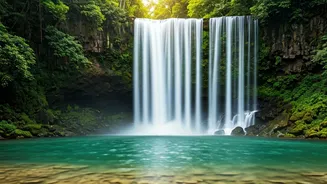
the waterfalls are the stars of the show. In Oregon’s Columbia River Gorge, classics like Multnomah Falls transform from a graceful plume into a thundering cascade, its spray drenching the Benson Bridge. The sound isn’t just a gentle splash; it’s a deep, resonant boom you can feel in your chest. Nearby, Latourell Falls, known for its dramatic single plunge over basalt columns, becomes even more powerful. The trails are lush, the air smells of damp earth and fir, and the crowds of summer are gone. You’re not just seeing a waterfall; you’re experiencing an entire ecosystem at the peak of its power.
2. Yosemite's Spring Awakening
If the PNW is about the steady drum of winter rain, California's Yosemite National Park is about the explosive crescendo of the spring melt. After a winter of heavy snowfall in the Sierra Nevada, warming temperatures unleash a torrent of water that feeds one of the world's most famous collections of waterfalls. From April to June, Yosemite Valley becomes an amphitheater of sound and motion. Yosemite Falls, one of North America's tallest, roars so loudly it can be heard from miles away. Bridalveil Fall, often a delicate mist in late summer, lives up to its name with a powerful, soaking spray that billows in the wind. This is the time for a true sensory overload: the vibrant green of new meadows, the roar of the falls, and the feel of cool mist on your face. It's a fleeting, dynamic show that proves timing is everything.
3. The Smoky Mountains' Hidden Cascades
The Great Smoky Mountains are defined by their moisture. The region gets significant rainfall year-round, feeding over 2,000 miles of streams and rivers. While beautiful anytime, the hours and days following a summer thunderstorm are when the mountains truly come alive. A hike that was merely pleasant yesterday becomes magical today. Small, unnamed trickles appear on rock faces, and established falls like Laurel Falls or Grotto Falls swell with newfound energy. The park's famous “smoke”—a fog created by moisture and vegetation—hangs thick in the valleys, creating a mystical, moody atmosphere. Visiting during the rainy season here isn’t about seeing one giant spectacle, but about witnessing thousands of smaller, ephemeral ones that appear and disappear like woodland spirits.
4. Arizona's Desert Deluge
Waterfalls in the desert? It sounds like a mirage, but during the Southwest's summer monsoon season (typically July to September), it’s a spectacular reality. Intense, localized thunderstorms can dump inches of rain in minutes, transforming dry, sun-baked canyons into dramatic water features. In places near Sedona or in the mountains surrounding Tucson, temporary waterfalls cascade down red rock cliffs, creating a stunning contrast of color and element. These flash events are highly unpredictable and require caution—flash floods are a serious danger. But for those who can witness them safely from a distance, they offer a rare and breathtaking glimpse of the desert’s hidden life force. It’s a powerful reminder that even the driest landscapes hold the potential for incredible transformation.