

First, What Is Paneer?
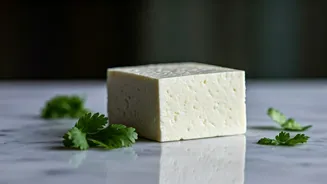
If you’re new to paneer, think of it as a culinary blank canvas. It’s a fresh, unaged cheese made by curdling hot milk with a food acid like lemon juice or vinegar. The resulting curds are pressed into a solid block, creating a firm, slightly spongy cheese that—crucially—doesn't
melt. This non-melting quality is its superpower. Unlike mozzarella that pools or cheddar that turns greasy, paneer holds its shape when heated, making it perfect for grilling, frying, or simmering in sauces. For decades in the U.S., it was mostly found in classic Indian dishes like palak paneer (spinach) or paneer tikka masala. But its mild, milky flavor and satisfyingly dense texture are proving to be the perfect foundation for a much wider world of flavor.
The New Kitchen All-Star
So why the sudden glow-up? Several trends are converging to push paneer to the forefront. First, the ongoing demand for high-protein, plant-forward meals. As a vegetarian protein source, paneer offers a hearty, satisfying bite that easily replaces meat in many dishes. It’s also naturally gluten-free. Second, American palates have grown more adventurous, seeking out authentic textures and global ingredients. Paneer is no longer an exotic item but a familiar friend on the grocery store shelf. Finally, chefs and home cooks are realizing it's far more than just a tofu substitute. While tofu absorbs marinades, paneer acts more like a flavor vehicle, pairing its own subtle dairy notes with whatever you throw at it. It's the sturdy, reliable, and surprisingly versatile ingredient our busy, eclectic kitchens have been waiting for.
Trick #1: Get a Golden, Crispy Sear
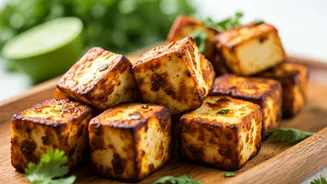
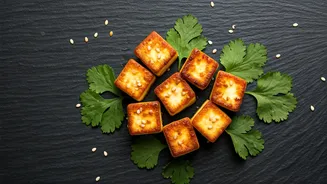
The single most important trick for transforming paneer is achieving a perfect, golden-brown crust. Soggy, squeaky paneer is a common complaint, but it’s easily avoided. The secret is removing moisture. Before cooking, wrap your paneer block in paper towels or a clean kitchen towel and press it under something heavy (like a cast-iron skillet or a few cans) for at least 15-20 minutes. This expels excess water, which prevents the paneer from steaming in the pan. Once pressed, pat it dry and cut it into cubes or planks. Heat a generous amount of a high-smoke-point fat, like ghee or avocado oil, in a skillet over medium-high heat. When the oil shimmers, add the paneer in a single layer, ensuring not to crowd the pan. Let it sear, undisturbed, for 2-3 minutes per side until it’s deeply golden and crisp. This textural contrast between the crunchy exterior and the soft, creamy interior is what makes it irresistible.
Trick #2: Marinate for Maximum Flavor
Because paneer is mild, it’s the perfect sponge for bold marinades. The key is to give it enough time to soak up the flavors—at least 30 minutes, but a few hours is even better. Move beyond the traditional yogurt-and-spice tandoori marinade (though that is always a classic for a reason). Try thinking globally. Whisk up a quick chimichurri with parsley, garlic, and red wine vinegar for a zesty, Argentinian-inspired take. Toss cubes in a mix of gochujang, soy sauce, and sesame oil for a spicy-sweet Korean BBQ vibe. A simple blend of olive oil, lemon juice, garlic, and dried oregano gives it a Mediterranean flair perfect for grilling on skewers with bell peppers and onions. Even a dry rub—like a smoky mix of paprika, cumin, and brown sugar—can create a beautiful crust when pan-seared.
Trick #3: Think Beyond the Cube
Cutting paneer into one-inch cubes is standard, but breaking from that convention is where the real fun begins. Slicing the block into thin, quarter-inch planks creates paneer “steaks” that can be pan-fried and served over a salad or used as the “bread” for a gluten-free sandwich filled with chutney and crisp vegetables. Crumbling or grating paneer creates a texture similar to ricotta, making it a fantastic filling for stuffed shells, lasagna, or savory pastries. And for a truly fancy appetizer, try whipping it. Simply crumble a block of paneer into a food processor with a little plain yogurt or cream, a clove of garlic, and some herbs. Blend until smooth and creamy, then serve the whipped paneer dip with toasted bread or fresh vegetables. It’s an elegant, unexpected twist that proves just how versatile this simple cheese can be.