




The Monsoon's Arrival
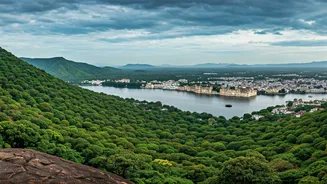
For much of the world, Goa is synonymous with sun-drenched beaches and winter-season tourism. But for locals, the true soul of this small Indian state reveals itself during the monsoon. From June to September, the landscape transforms. Dust-caked palms
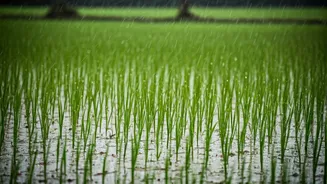
turn a brilliant emerald, paddy fields fill with water, and the air becomes thick with the scent of petrichor—the earthy fragrance of rain on dry soil. This is a time of renewal, introspection, and vibrant life. The usual tourist frenzy subsides, replaced by a slower, more intimate rhythm. It’s against this lush, dramatic backdrop that the festival of Sao Joao (pronounced ‘San-Jow-ao’) erupts in a riot of color and joy.
A Festival Born of Water and Joy
Celebrated on June 24th, Sao Joao is the feast of St. John the Baptist. While it has Catholic roots, its expression in Goa is a fascinating blend of Christian theology and local, pre-Christian traditions tied to the changing seasons. The festival commemorates the story of St. John leaping for joy in his mother Elizabeth's womb when she was visited by Mary, the mother of Jesus. This single act—a leap of joy—is the central motif of the entire celebration. Goans, particularly in the villages of the north like Siolim, Anjuna, and Vagator, re-enact this biblical moment with unbridled enthusiasm, turning the concept of a water-based festival on its head. Instead of just playing with water, they leap into it.
The Leap of Faith
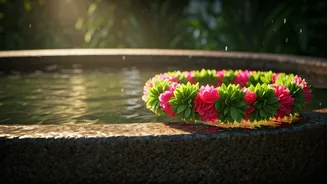
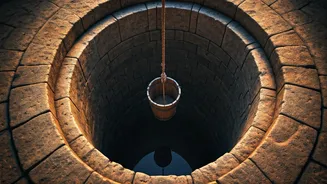
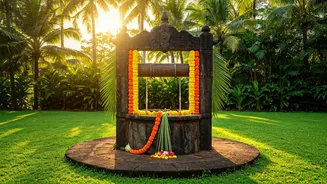
The most iconic image of Sao Joao is that of revelers, often wearing crowns of flowers and leaves, jumping into overflowing village wells, ponds, and streams. To an outsider, it might look like pure, chaotic fun—and it is—but there's a deeper symbolism at play. The well is seen as a representation of a mother's womb, and the leap signifies both St. John's joyful jump and a form of baptism, a cleansing renewal at the start of the rainy season. Groups of young men, often fueled by the local cashew or coconut spirit known as Feni, roam from house to house, singing traditional songs called ‘mandos’ and calling for a dip in the family well. It's a day when the normal rules of decorum are joyfully suspended, and the entire community is united by splashes and laughter.
Crowns, Songs, and Feni
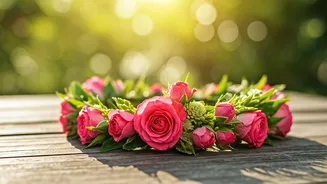
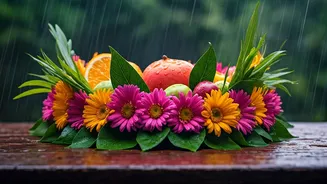
Beyond the dramatic leaps, Sao Joao is a feast for all the senses. Participants don ‘kopels,’ intricate crowns woven from fresh flowers, fruits, and leaves. These colorful wreaths are not just decorative; they are a tribute to nature’s bounty, which the monsoon makes possible. You’ll see men, women, and children alike wearing these beautiful, fragrant creations. In some villages, vibrantly decorated floats and boats parade down the swollen rivers, turning the waterways into moving stages for music and dance. The air is filled with the sounds of the ghumot, a traditional clay drum, and the melodies of Konkani songs celebrating rain, life, and community. And, of course, no Goan celebration is complete without food and drink. Plates of savory snacks are passed around, and small cups of Feni are offered to fortify the singers and well-jumpers, adding a spirited warmth to the rain-soaked day.