





Lentils: The Sustainable Staple
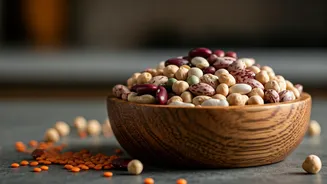
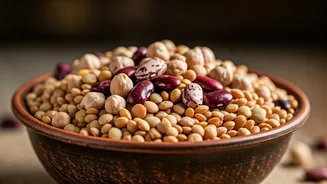
Long considered a humble, budget-friendly pantry item, lentils are being rediscovered as a nutritional giant. Packed with both soluble and insoluble fiber, they are superstars for digestive health and keeping you full for hours. A single cup of cooked
lentils provides over half the daily recommended fiber intake. But their comeback isn't just about fiber; it's about their versatility and sustainability. In an era of plant-based eating, lentils are a go-to for hearty soups, salads, and even as a meat substitute in tacos or bolognese. They cook faster than dried beans, require no pre-soaking, and absorb the flavors of whatever spices and herbs you cook them with, making them a perfect weeknight workhorse.
Prunes: Not Just for Your Grandparents
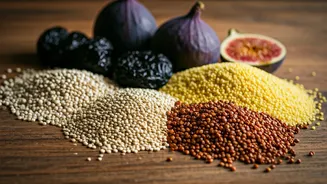
Let's be honest: prunes have had a bit of an image problem, long associated with digestive remedies for the older set. But these dried plums are shaking off that dusty reputation. They are an incredible source of soluble fiber, which helps manage blood sugar levels and lower cholesterol. They also contain sorbitol, a natural sugar alcohol that contributes to their well-known laxative effect. The rediscovery comes from their surprising versatility. Foodies are now using them chopped in savory dishes like chicken tagines, blended into sauces for a touch of sweetness, or simply as a satisfying, naturally sweet snack to curb afternoon sugar cravings. Think of them less as a remedy and more as a whole-food energy bite.
Barley: The Chewy Ancient Grain
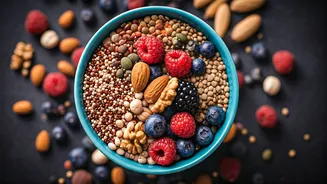
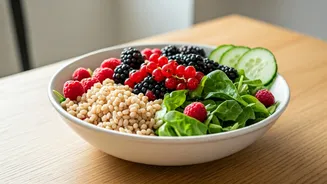
While quinoa and farro have had their time in the sun, barley is quietly re-emerging as a go-to grain. Its satisfyingly chewy texture and nutty flavor make it a fantastic addition to meals. Barley is particularly rich in a type of soluble fiber called beta-glucan, which is famous for its ability to help lower cholesterol and improve heart health. It was a staple in peasant diets for centuries for a reason: it's filling, nutritious, and affordable. Today, it’s being rediscovered as a fantastic base for grain bowls, a hearty addition to mushroom soup, or a simple side dish instead of rice. Look for hulled barley for the highest fiber content, or pearled barley for a quicker-cooking option.
Artichokes: The Gut-Friendly Flower Bud
Often seen as a fancy appetizer or a pizza topping, the artichoke is a fiber beast in disguise. A medium artichoke contains a massive amount of fiber, making it one of the most fiber-dense vegetables available. Much of its fiber is in the form of inulin, a prebiotic that acts as food for the beneficial bacteria in your gut. As our understanding of the gut microbiome deepens, foods rich in prebiotics are gaining serious attention. While steaming a whole artichoke can seem intimidating, frozen or canned artichoke hearts (packed in water, not oil) are an incredibly easy way to get the benefits. Toss them into pasta, salads, or frittatas for an instant fiber and flavor boost.
Chia Seeds: The Modern Marvel
Though they had a brief, kitschy moment as Chia Pets in the '80s and '90s, these tiny seeds have been rediscovered as a modern superfood. When mixed with liquid, chia seeds form a gel-like substance, thanks to their massive soluble fiber content. This gelling action helps slow digestion, promoting a feeling of fullness and stabilizing blood sugar. They're also a great source of omega-3 fatty acids and plant-based protein. Their modern comeback is fueled by their sheer ease of use. You don't have to cook them. Just sprinkle them on yogurt or oatmeal, blend them into smoothies, or make a simple chia seed pudding for a grab-and-go breakfast that will power you through your morning.