


From Vegetarian by Default to Plant-Based by Design
To understand this moment, you first have to grasp a key distinction: “vegetarian” and “plant-based” are not the same thing. For centuries, a significant portion of India has practiced vegetarianism, often for religious and cultural reasons. This diet
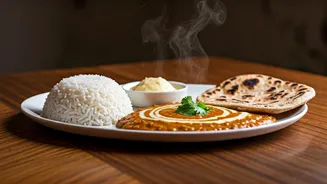
is typically lacto-vegetarian, meaning it excludes meat, poultry, and fish but embraces dairy products like ghee (clarified butter), paneer (a fresh cheese), and yogurt. These ingredients are central to countless iconic dishes, from creamy dal makhani to rich saag paneer. American “plant-based” eating, however, often implies a stricter definition, aligning more closely with veganism. It’s a wellness and ethics-driven movement that typically excludes all animal products, including dairy and eggs. For years, this meant that while Indian menus were vegetarian-friendly, a truly plant-based diner had to navigate carefully, asking servers to hold the ghee or skip the raita. What we’re seeing now is a shift from incidental alignment to intentional creation. The new wave isn’t just offering dishes that happen to be vegan; it's designing them to be plant-based from the ground up.
The Chefs and Brands Leading the Charge
This evolution is being driven by a new generation of Indian-American chefs, cookbook authors, and food entrepreneurs. They grew up between two cultures: one with deep, vegetable-forward culinary traditions, and another embracing plant-based diets as the future of food. Chefs like Meherwan Irani of the acclaimed restaurant group Chai Pani and authors like Priya Krishna are bringing regional, vegetable-centric dishes to the forefront, showing Americans that Indian food is far more than the standard buffet fare. Simultaneously, the grocery aisle is filling up with innovative brands. Companies are launching frozen meals, simmer sauces, and ready-to-eat dishes that proudly bear the “plant-based” label. These products aren't just for people of Indian descent; they are marketed to a mainstream American consumer who is curious, health-conscious, and hungry for global flavors. They are making it easier than ever to enjoy complex Indian flavors at home, without the dairy.
Reimagining the Classics
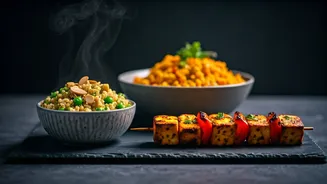
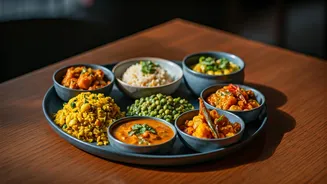
Perhaps the most exciting part of this trend is the culinary innovation it’s sparking. Instead of simply removing dairy, chefs are finding ingenious ways to replicate the richness and texture that make classic Indian dishes so beloved. Creamy, dairy-heavy sauces are being recreated with cashew cream, oat milk, or coconut yogurt. The beloved paneer is finding its match in expertly pressed and seasoned tofu. A 'butter chicken' might now feature a velvety, tomato-based sauce made rich with plant-based butter and coconut cream, served with tender chickpeas or plant-based chicken alternatives. This isn't about creating pale imitations. It's a creative challenge that forces cooks to explore the vast pantry of spices, herbs, and techniques that have always defined Indian cooking. The result is a cuisine that feels both familiar and thrillingly new, proving that the flavor profiles are not dependent on animal products but on the masterful blending of spices.
A Bridge Between Generations and Cultures
This plant-based renaissance serves as a powerful cultural bridge. For non-Indian Americans, it unlocks the full depth of a diverse and flavorful cuisine, making it more accessible than ever. It provides a clear entry point for the millions of people who have adopted a plant-based lifestyle but may have felt intimidated by Indian cooking's perceived complexity. For many in the Indian diaspora, it offers a way to connect with their heritage while adhering to modern dietary choices. A younger Indian-American who is vegan for ethical reasons can now fully participate in the flavors of their culture, recreating their grandmother’s recipes with plant-based ingredients. It honors tradition not by preserving it in amber, but by allowing it to adapt, grow, and find new relevance in a changing world.