






Beyond the Butter Chicken Circuit
Any food-obsessed traveler headed to India has Amritsar circled on their map. This is the holy city of Sikhism, but it’s also the undisputed capital of Punjabi cuisine. You’ve heard the legends: the creamy, slow-simmered dal makhani; the shatteringly
crisp Amritsari kulcha baked in a tandoor; the impossibly rich lassi topped with a thick layer of malai. Most visitors chase these flavors on bustling streets and in famous, generations-old eateries. And they should. But for the truly food-led traveler—the one who seeks not just to taste, but to understand—the restaurant circuit only tells half the story. The other half isn't found on a menu. It’s found in the home, where recipes aren't written down but passed from one generation to the next. It’s in these kitchens that you find the heart of Punjabi food culture, and one particular homestay has become a quiet institution for those in the know.
An Address Steeped in History
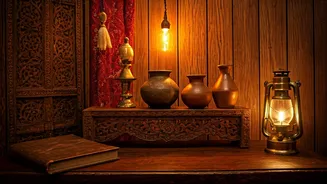
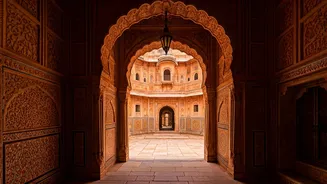
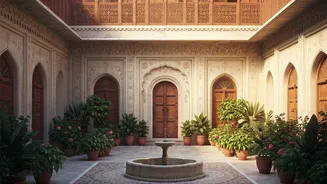
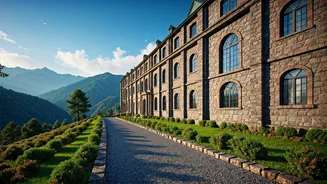
Enter Mrs. Bhandari's Guesthouse. This isn't a sleek, modern hotel. It’s a sprawling, colonial-era bungalow set in a leafy cantonment area, feeling worlds away from the city's glorious chaos. Started in the 1950s by Mrs. Jaswant Bhandari, the property has the elegant, slightly faded charm of a bygone era. Think high ceilings, antique furniture, lush gardens, and a history that whispers from the walls. Staying here isn't about minimalist design or high-tech amenities. It’s about stepping into a family's legacy. The Bhandari family still runs the guesthouse, preserving an atmosphere of old-world hospitality that’s increasingly rare. While it has hosted diplomats and dignitaries over the decades, its enduring appeal, especially for food lovers, comes from something far more personal: the family dining table.
The Real Star: The Family Kitchen
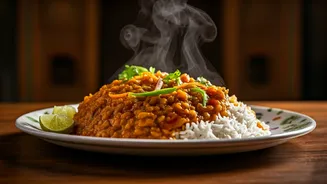
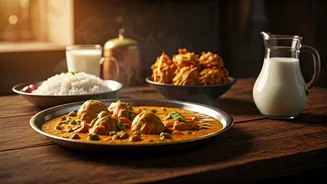
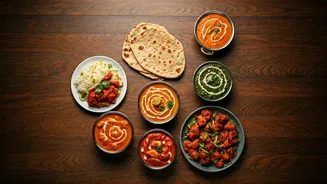
This is where Mrs. Bhandari’s truly separates itself. The food here isn’t “hotel food.” It’s home cooking, elevated by decades of practice. Meals are often served communal style, featuring dishes drawn directly from the family's own repertoire. You won’t be handed a laminated menu of greatest hits. Instead, you'll eat what the family has prepared for the day, a curated taste of authentic, seasonal Punjabi cuisine. Imagine sitting down to a dinner of keema matar (minced meat and peas), a perfectly spiced baingan bharta (smoky roasted eggplant), and a simple, soulful maa ki daal (black lentil stew) that has been simmering for hours—all served with hot, fluffy rotis. The flavors are complex but balanced, carrying the signature of a seasoned home cook rather than a professional chef chasing trends. It’s the kind of food that nourishes and comforts, the kind you’d be lucky to eat in a friend's home in Punjab. This is the core of the experience: tasting recipes that have been perfected over a lifetime.
More Than Just a Meal
What elevates a stay here from a simple culinary stop to a memorable travel experience is the context. You aren't just a diner; you're a guest. Conversations with the hosts can offer insights into the ingredients, the cooking techniques, and the cultural significance of the food you're eating. You might learn why a certain spice is used or hear the story behind a particular family dish. For a food-led traveler, this is the ultimate prize. It connects the plate to the people and the place. The experience transforms food from a consumable product into a cultural artifact. You leave not just with a full stomach, but with a deeper appreciation for the traditions that shape one of the world's great cuisines. It’s an education in taste, history, and hospitality, all delivered with the unpretentious warmth of a family welcome.