




The Airport as a Soundstage
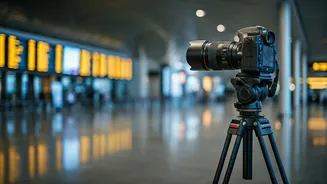
Walk through any major Indian airport, and you're likely to see it: travelers, often young and aspiring to be influencers, turning departure halls and boarding gates into makeshift film sets. They perform choreographed dances to trending music, stage
dramatic farewells, or strut down moving walkways as if they were fashion runways. The resulting clips, destined for Instagram Reels or YouTube Shorts, are known as 'travel reels'—a popular genre that romanticizes the journey as much as the destination. For many creators, the sleek, modern architecture of a new terminal or the impressive sight of an aircraft provides a high-production-value backdrop for free. This phenomenon isn't just about capturing a memory; it's about performing for an audience, curating an aesthetic of a glamorous, jet-setting lifestyle. In a country with one of the world's largest and most engaged social media populations, the airport has become the ultimate content creation zone.
From Annoying to Dangerous
While a harmless dance in a corner might seem trivial, the trend has escalated, creating significant operational and security headaches. Terminals are crowded, and elaborate filming sessions can obstruct passenger flow, causing delays and frustration. More alarmingly, some creators have ventured into restricted or sensitive areas in pursuit of the perfect shot. Incidents have included people dancing on baggage carousels, filming skits at packed security checkpoints, and even running onto the tarmac or air bridges. One viral incident involved an influencer posing on a check-in counter conveyor belt as it moved toward the baggage handling area. These actions aren't just disruptive; they pose a genuine threat. Security personnel are distracted from their primary duty of ensuring passenger safety, and critical infrastructure is treated like a playground. An airport is a complex, high-stakes environment, and introducing unpredictable performance art into its most sensitive zones is a recipe for disaster.
The Authorities Step In
In response to the growing chaos, Indian aviation authorities have been forced to act. The Bureau of Civil Aviation Security (BCAS), India’s top aviation security body, has issued multiple circulars reinforcing a long-standing but often ignored rule: photography and videography are prohibited in sterile and security-restricted areas of airports. This includes security-hold areas, boarding gates, and the tarmac. Airports across the country have put up prominent signage warning against such activities. Enforcement has also been stepped up. The Central Industrial Security Force (CISF), which guards most major airports, has begun fining violators and, in some cases, filing official police complaints. Airlines have also joined the effort, with cabin crews instructed to prevent filming during critical phases of flight and on the air bridge. The message is clear: the airport is a place of transit and security, not a content studio.
A Necessary Line in the Sand
This crackdown is not an attack on creativity or self-expression. It is a necessary and responsible measure to preserve the fundamental purpose of an airport: safe and efficient travel for everyone. The argument that these rules stifle fun misunderstands the stakes. In a post-9/11 world, airport security protocols are not arbitrary suggestions; they are layers of a defense system designed to protect lives. When someone’s quest for likes leads them to interfere with a security check or wander into a restricted zone, they are putting everyone at risk. The boundaries being enforced are a logical response to a culture that sometimes blurs the line between the digital world and physical reality. Public spaces, especially critical infrastructure, must have rules that prioritize collective safety over individual content creation. An individual’s right to create a 'reel' does not supersede the public’s right to be safe and secure.