



More Than a Thirst Quencher
Not long ago, grabbing a drink meant choosing between caffeinated, sugary, or plain. Today, a third category has exploded onto the scene: functional beverages. These aren't just for hydration; they're engineered with added ingredients that promise to do
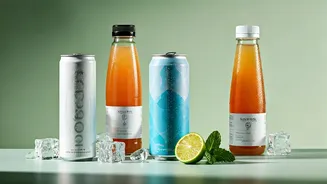
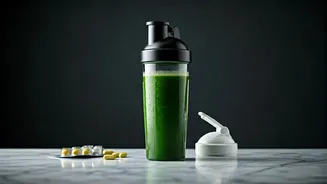
something *for* you. Think of them as liquid supplements designed for modern life's challenges. From sparkling waters infused with adaptogens that claim to help your body manage stress, to canned teas packed with nootropics marketed to boost brainpower, the goal is optimization. The functional beverage market is responding to a generation that sees wellness not as a luxury, but as a core part of their identity. Why just hydrate when you can also de-stress, focus, or improve your digestion at the same time?
The Rise of the 'Sober Curious' Drink
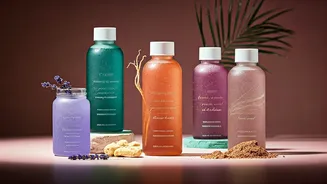
A major catalyst for this boom is the growing “sober curious” movement. More Americans, particularly younger generations, are reducing their alcohol intake but still crave a sophisticated, interesting drink for social situations. Water or soda often feels like a consolation prize. A complex, herb-infused, beautifully packaged beverage, however, feels like a deliberate, adult choice. Functional drinks fill this void perfectly. They offer the ritual of cracking open a special can and the complexity of flavor that alcohol often provides, but without the hangover. Brands with names like Kin Euphorics or Ghia have built entire identities around being the ideal “third space” drink—something to have between a morning coffee and an evening cocktail, or as a replacement for the latter entirely. It’s a way to participate in social drinking culture without the alcohol, turning a choice of abstinence into an act of positive self-care.
Decoding the Buzzwords
The labels on these drinks can read like an apothecary’s shopping list. The most common ingredients fall into a few key camps. Nootropics are compounds purported to enhance cognitive function; a popular example is L-theanine (found in green tea), which is often included to promote a state of “calm focus.” Then there are adaptogens, herbs and mushrooms like ashwagandha, rhodiola, and reishi, which are believed to help the body adapt to and resist physical, chemical, and biological stress. They’ve been used in traditional Eastern medicine for centuries and are now the star ingredients in drinks promising to help you “unwind” or “find your center.” Finally, you have gut-health heroes like prebiotics, probiotics, and plant fiber, designed to support your microbiome, which is increasingly linked to everything from mood to immunity.
The Can as a Status Symbol
This brings us to the “flex.” In a world saturated with wellness culture, what you consume is a powerful signal. A slick, minimalist can of a nootropic-infused seltzer on your desk doesn’t just say, “I’m thirsty.” It says, “I’m actively managing my cognitive state. I’m intentional. I’m investing in my mental performance.” It’s the 2020s equivalent of closing a big deal on a brick-sized cell phone in the 80s. Carrying a can of Recess or Poppi is a subtle broadcast of your values: health, mindfulness, and a proactive approach to well-being. It’s a low-key status symbol that’s less about wealth (most cans are $3-$6) and more about cultural capital. You’re signaling that you’re in-the-know, part of a tribe that understands the difference between lion’s mane and cordyceps. In an age of burnout, the ultimate flex isn’t having more stuff, but having more control over your inner state—or at least, having the perfect drink that promises it.