
First Off, What Is a 'Vrat'?
Before we get to the food, let’s talk about the ‘vrat.’ In Hinduism, a vrat is a vow or spiritual observance, most commonly associated with a period of fasting. But it's much more than just skipping meals. It’s a practice of self-discipline, devotion,
and purification intended to honor a specific deity, seek blessings, or cleanse the body and mind. Unlike a diet or a wellness trend, a vrat is deeply rooted in faith. Participants often spend the day in prayer, meditation, or reading sacred texts. The fast isn't just about abstaining from food; it’s about abstaining from negative thoughts and actions, focusing the mind on spiritual goals.
Why Now? The Calendar of Faith
The Hindu calendar is packed with various vrat days tied to lunar cycles and specific festivals. While the headline points to June 25, the reality is that these observances happen throughout the year. Days like Ekadashi (the eleventh day of each lunar fortnight) and major festivals like Navaratri involve specific fasting rules. The dates are determined by complex astrological and lunar calculations, which is why they shift every year on the Gregorian calendar. So, while a date like June 25 might mark a significant fasting day for many, it’s best understood as part of a continuous, year-round rhythm of devotion that ebbs and flows with the celestial calendar, bringing these unique food traditions into the spotlight at regular intervals.
The Delicious Paradox: Fasting Food
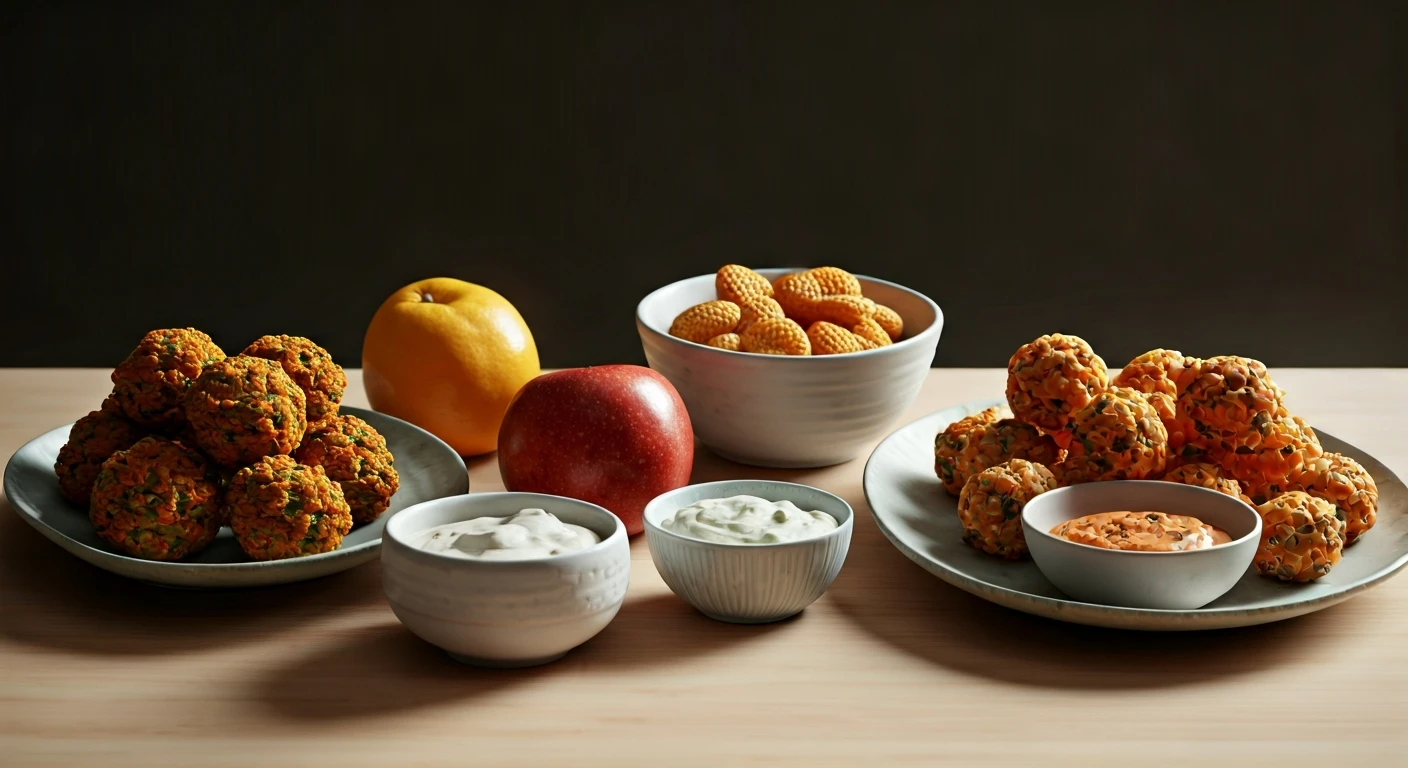
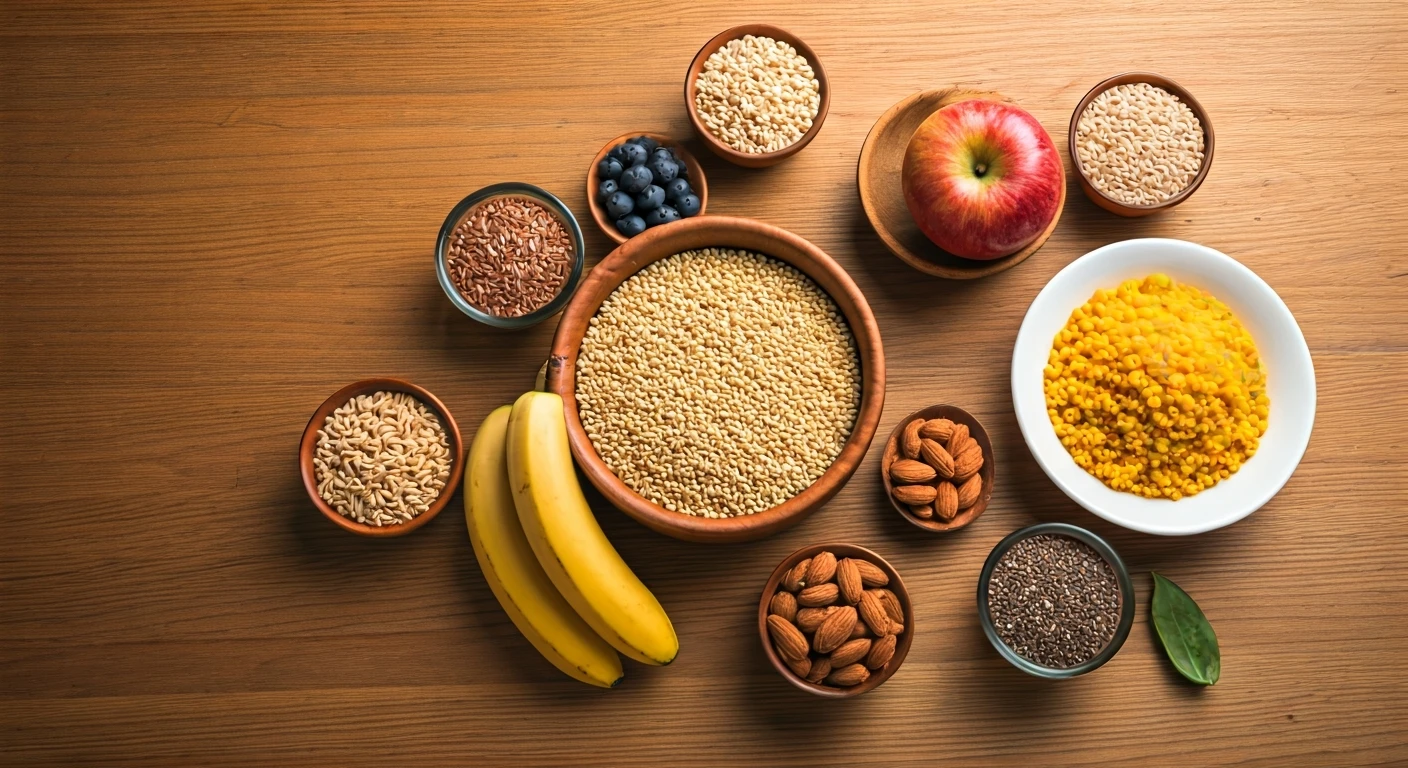
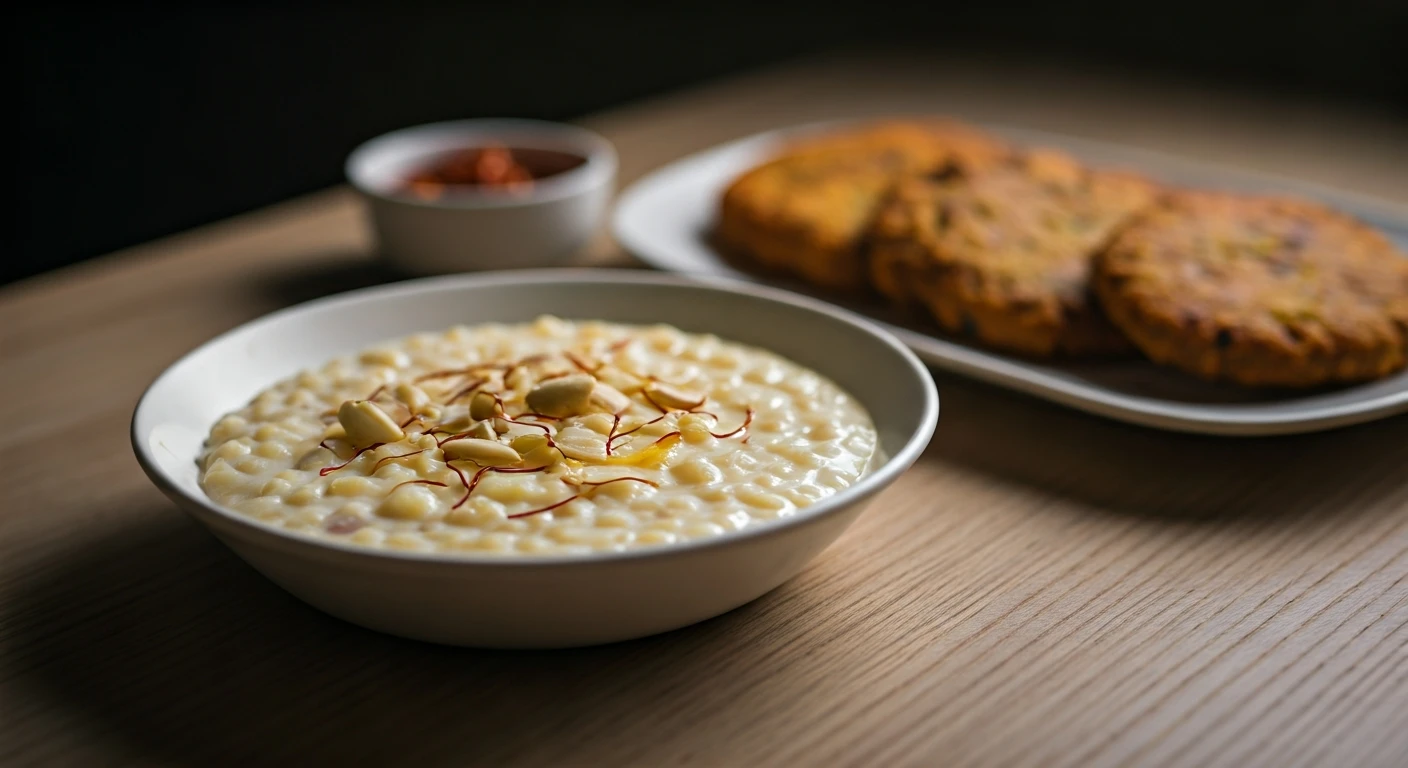
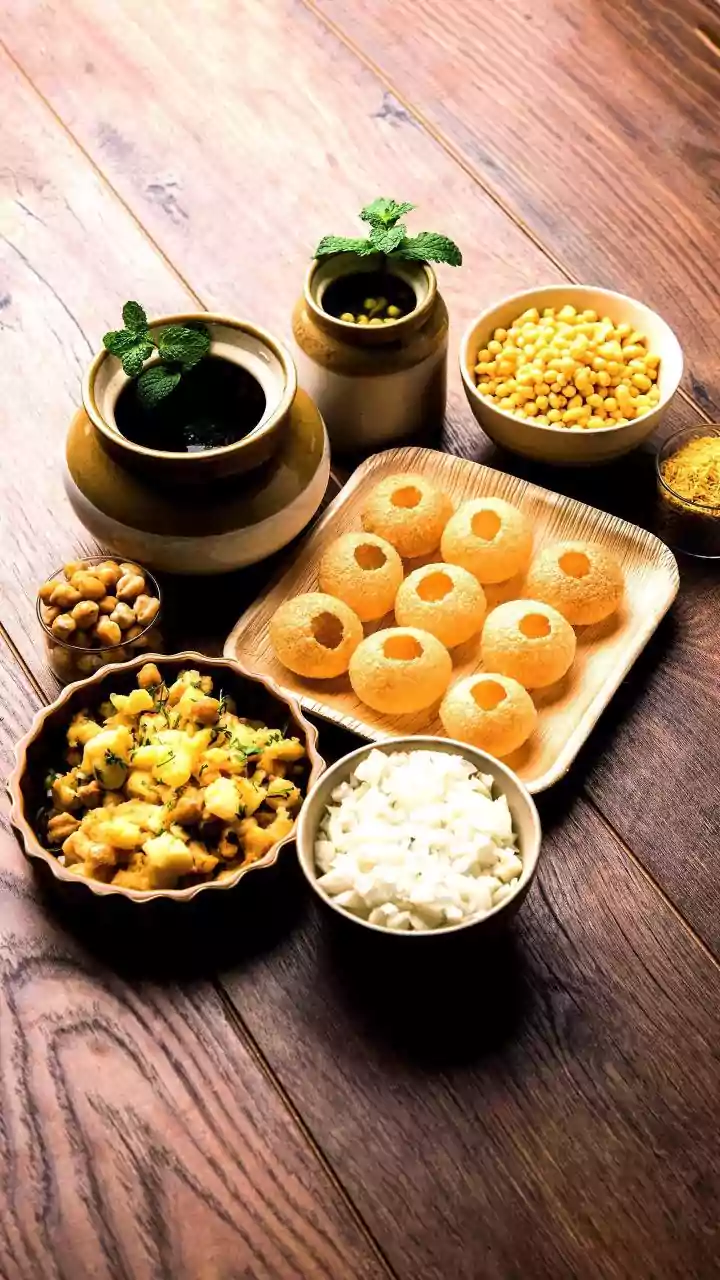
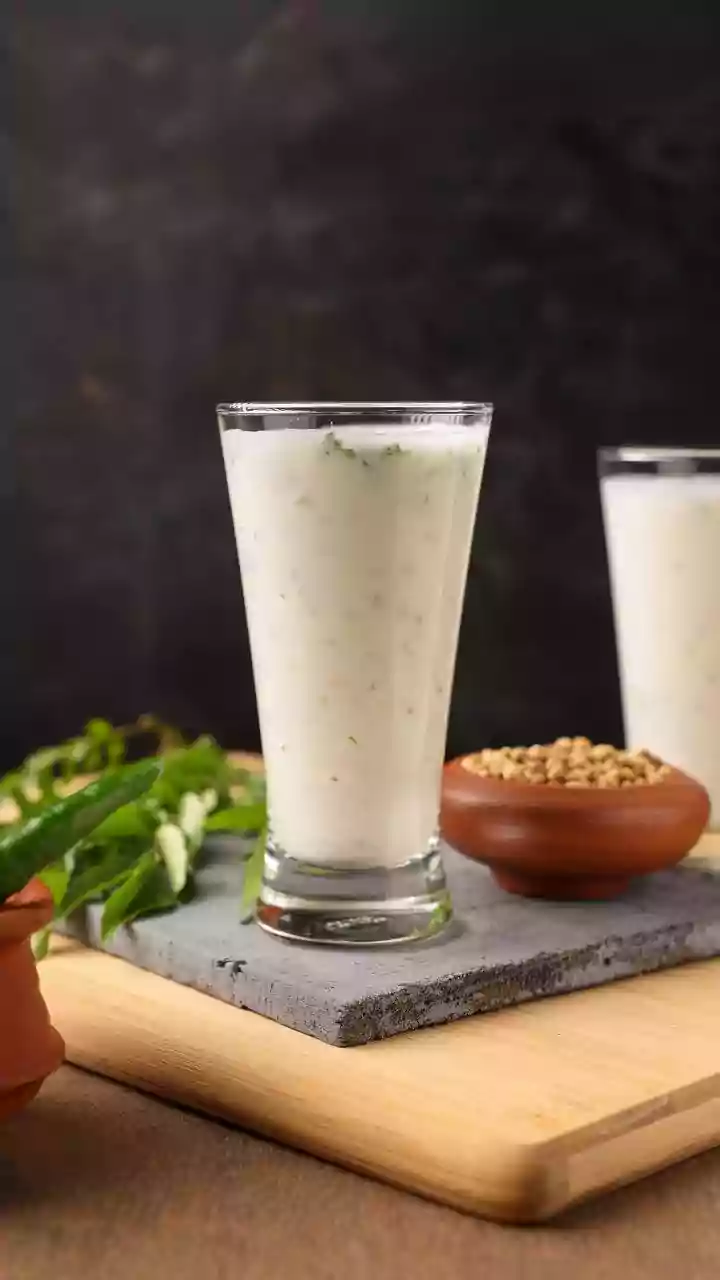
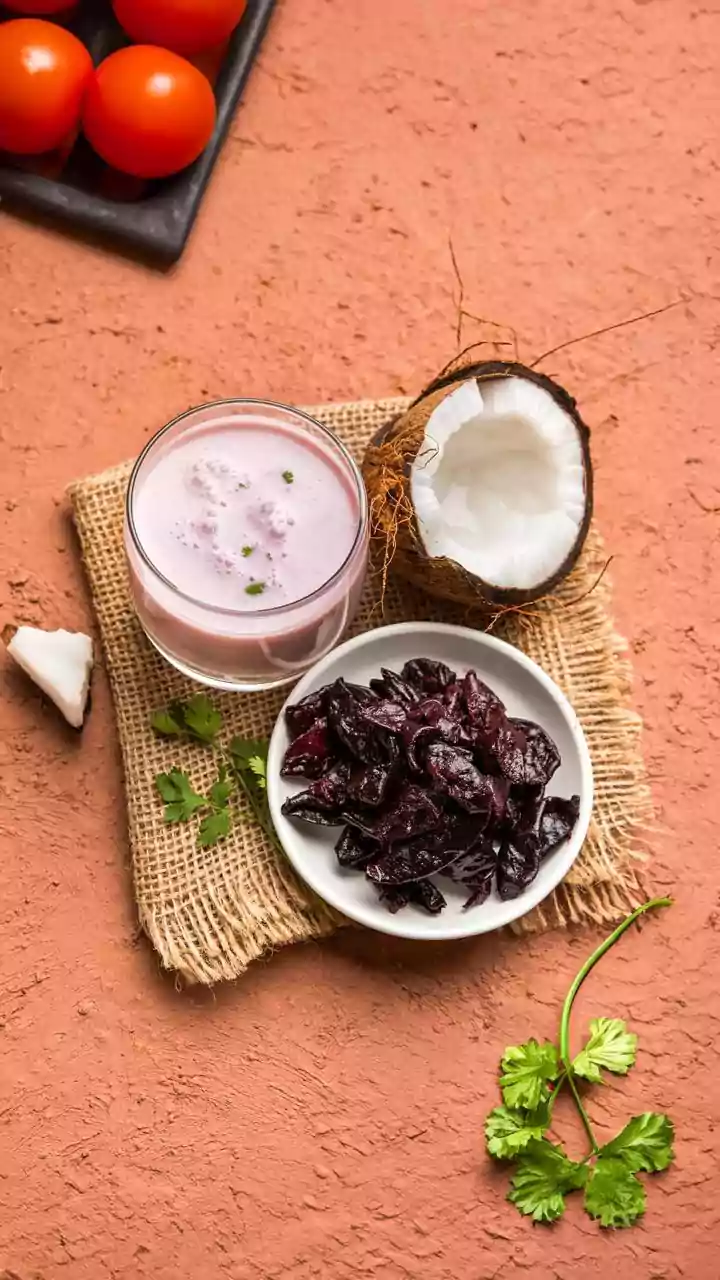
Here’s where it gets interesting: fasting doesn’t always mean eating nothing. For many vrats, it means eating a specific, restricted diet of ‘vrat-friendly’ foods. This gives rise to a whole genre of cuisine that is both delicious and spiritually compliant. The rules generally prohibit grains like wheat and rice, lentils, onions, garlic, and heavily processed foods. Instead, the menu is built around ingredients considered pure or ‘sattvic.’ Common staples include Sabudana (tapioca pearls), which are used to make savory porridges (khichdi) and crispy fritters (vada). Flours made from buckwheat (kuttu ka atta) or water chestnut (singhare ka atta) are used for flatbreads (puris and rotis). Potatoes, sweet potatoes, and pumpkin are go-to vegetables, seasoned with rock salt (sendha namak) instead of regular table salt. Fruits, nuts, and dairy products like yogurt and paneer are also central to the vrat diet, creating a culinary landscape that is surprisingly rich and varied.
From Ancient Ritual to Instagram Feed
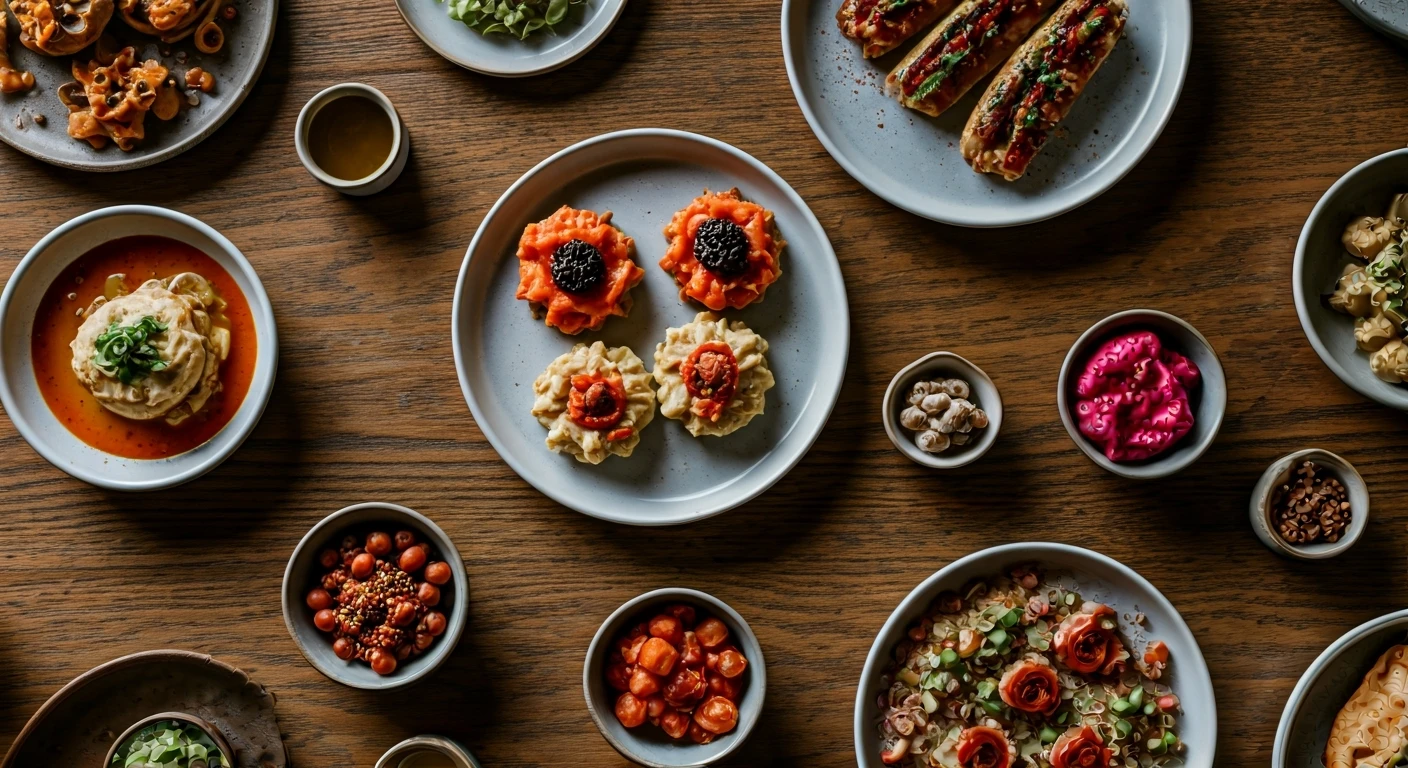
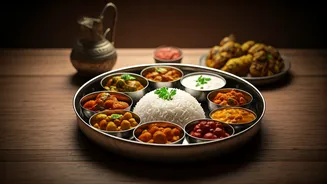
In the 21st century, these ancient traditions have found a vibrant new home: social media. For Hindus in the U.S. and around the world, posting photos of a beautifully arranged ‘vrat thali’ (a platter with various fasting dishes) is more than just a food pic. It’s a way to connect with community, share cultural identity, and swap recipes that have been passed down through generations. It allows people, especially those in the diaspora, to feel a sense of shared experience during important spiritual times. The colorful, intricate dishes are naturally photogenic, turning Instagram and Facebook into virtual community halls where a new generation is keeping its heritage alive, one delicious, devotional meal at a time.