
Beyond the Buffet Menu
For decades, Indian food in America meant a predictable menu of creamy curries and tandoori chicken. But a new generation of chefs is confidently dismantling that monolith, introducing diners to the vibrant, specific flavors of their heritage.
The New Guard of Unapologetic Cooking
Enter a
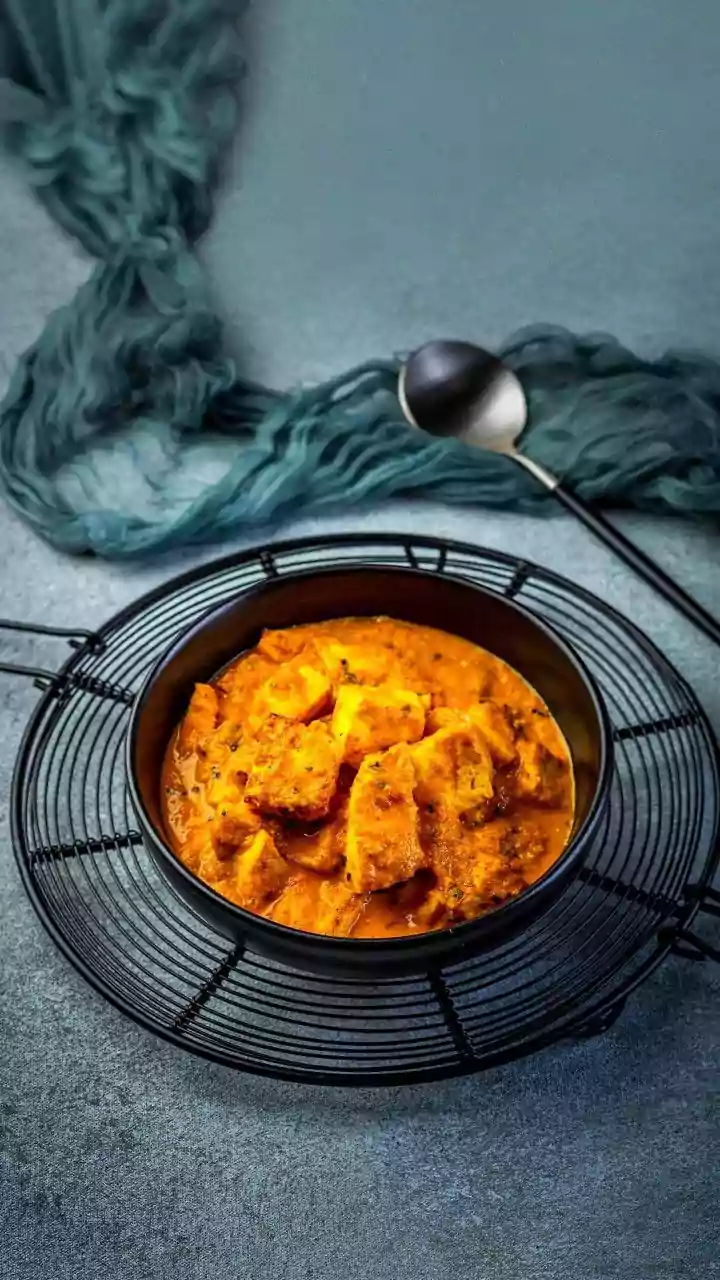
new class of chefs and restaurateurs who are tearing up the old playbook. Figures like Chintan Pandya and Roni Mazumdar of Unapologetic Foods have become standard-bearers for this movement with New York restaurants like Dhamaka and Semma. Dhamaka dives into the “forgotten side of India,” serving provincial dishes you’d find at roadside shacks or in family homes, like goat neck biryani and paneer made in-house. Semma, which earned a Michelin star, is a love letter to the Southern Indian cooking of chef Vijay Kumar’s childhood in Tamil Nadu, featuring dishes like venison with crushed peppercorns and snails in a ginger-tamarind sauce.
They aren't alone. Across the country, chefs are staking claims for their specific heritage. In Asheville, North Carolina, Cheetie Kumar’s former restaurant Garland wove her Punjabi roots into the fabric of the American South. In Chicago and New York, chef Sujan Sarkar’s Indienne and Baar Baar explore modern, regional Indian flavors with flair. The common thread isn’t a specific ingredient but a philosophy: to cook the food of their region with integrity, intensity, and zero apologies.
The Flavor of No Compromise
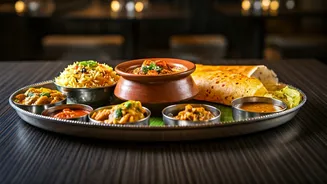
So what does “without stiff compromise” actually taste like? It tastes like heat that builds and lingers, not just a mild, creamy sweetness. It tastes like the pungent funk of mustard oil, the sour tang of tamarind, and the bitter notes of fenugreek. At Semma, it’s the Gunpowder Dosa, a crepe dusted with a spicy blend of lentils and chiles, served not with a mild coconut chutney but with complex, flavorful accompaniments that pop. At Dhamaka, it's the Champaran Meat, a mutton dish cooked in an earthenware pot sealed with dough, arriving at the table with an intensity rarely found in mainstream Indian eateries.
This approach rejects the impulse to dial down the spice or swap out a traditional ingredient for a more familiar one. It’s a confident declaration that these flavors are not “difficult” or “acquired tastes” but are simply delicious on their own terms. It trusts the diner to be curious and adventurous, and it turns out that trust is well-founded.
Why This Moment, and Why Now?
Several forces have aligned to make this culinary revolution possible. First, the American palate has grown exponentially more sophisticated over the past two decades. Thanks to food television, travel, and the internet, diners are more knowledgeable and eager for authentic experiences. Second, there's a generational shift. Many of these chefs are second-generation immigrants or came to the U.S. with established careers, bringing a new confidence in their cultural identity. They aren’t just trying to fit in; they’re ready to stand out.
Finally, success breeds success. The critical acclaim and commercial triumphs of early pioneers have created a permission structure for others. When a restaurant celebrating hyper-regional Indian food earns a Michelin star, it sends a powerful message to chefs, investors, and diners alike: there is a fervent appetite for the real thing. It’s no longer a risk to be specific; it’s a strength.