
More Than Just a Fritter
For Americans familiar with Indian food, the pakora is often a fixture on appetizer menus—a pleasant, crispy bite before the main event. But in India, especially during the monsoon season that sweeps across the subcontinent from roughly June to September,
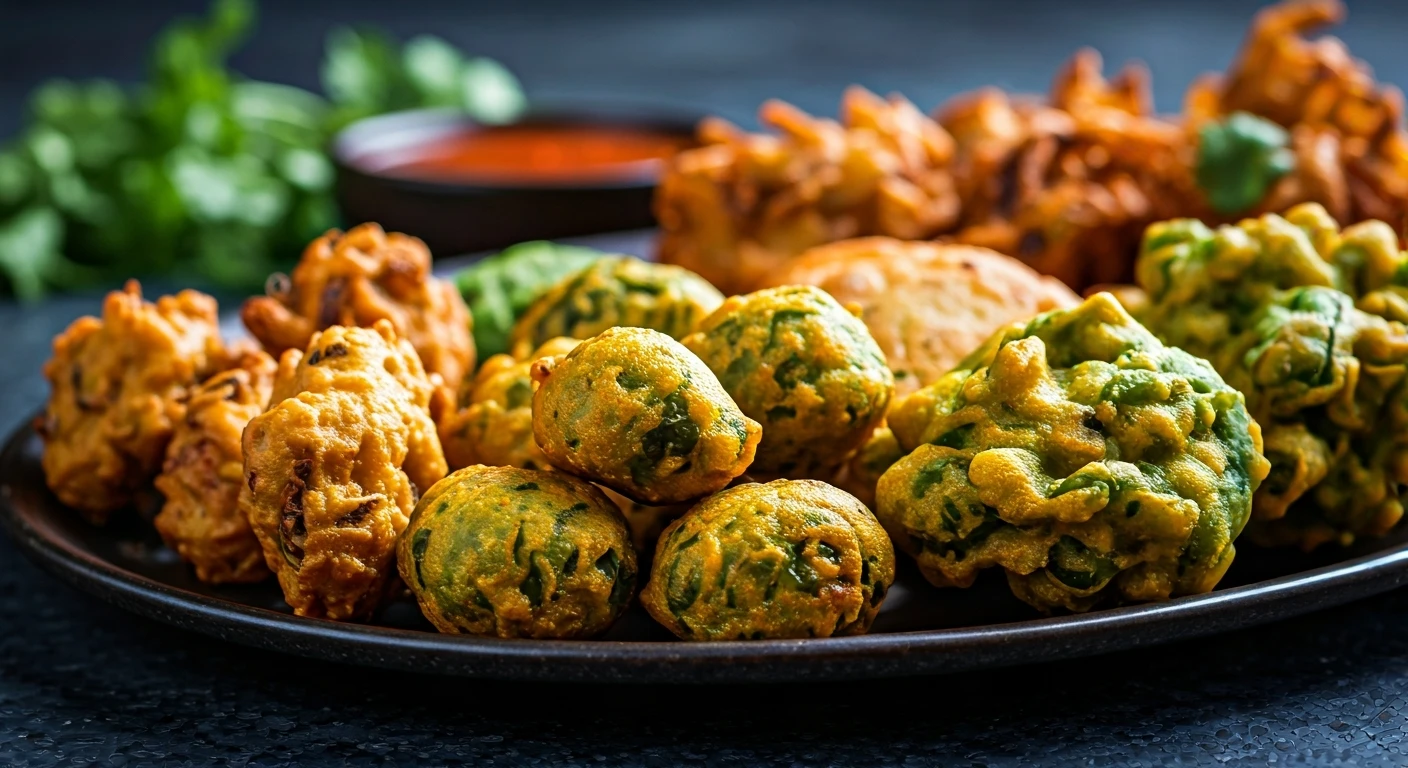
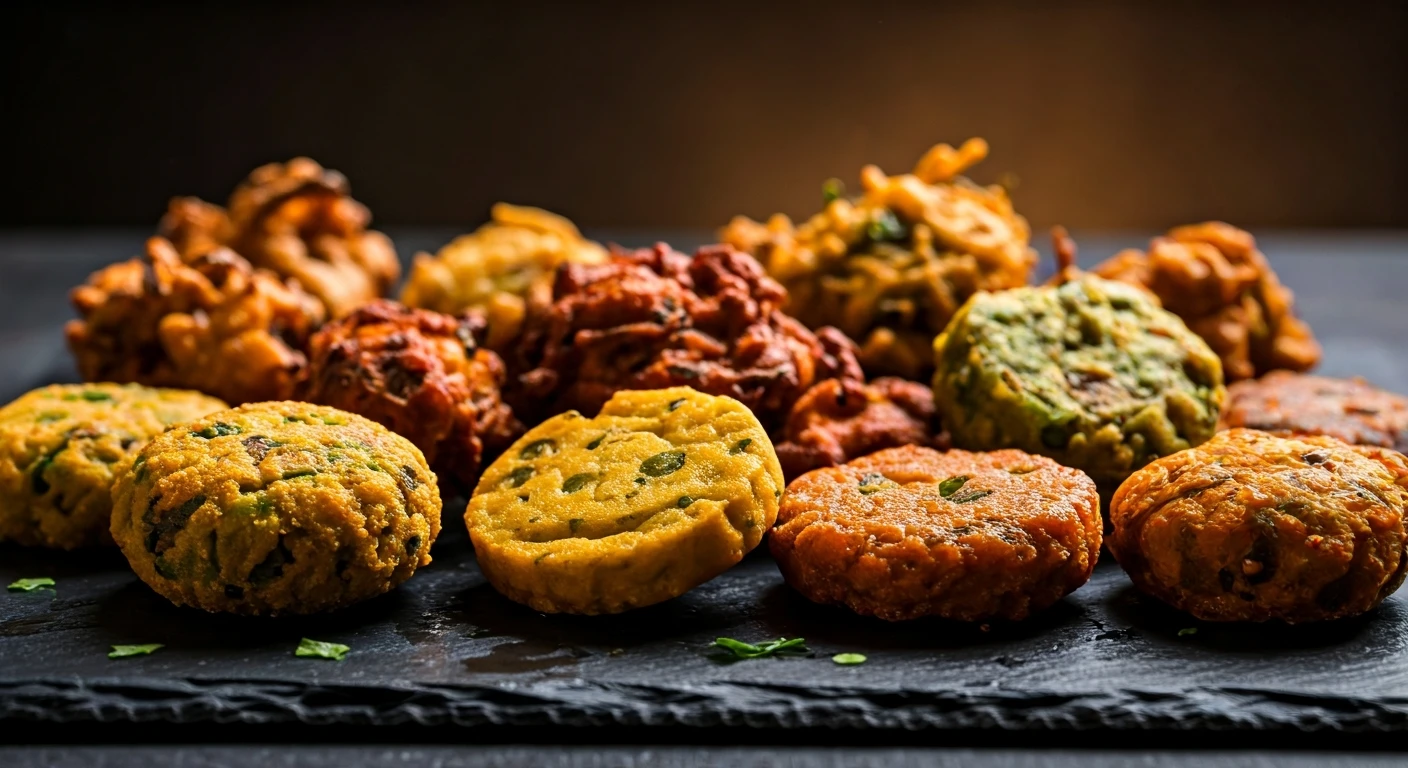
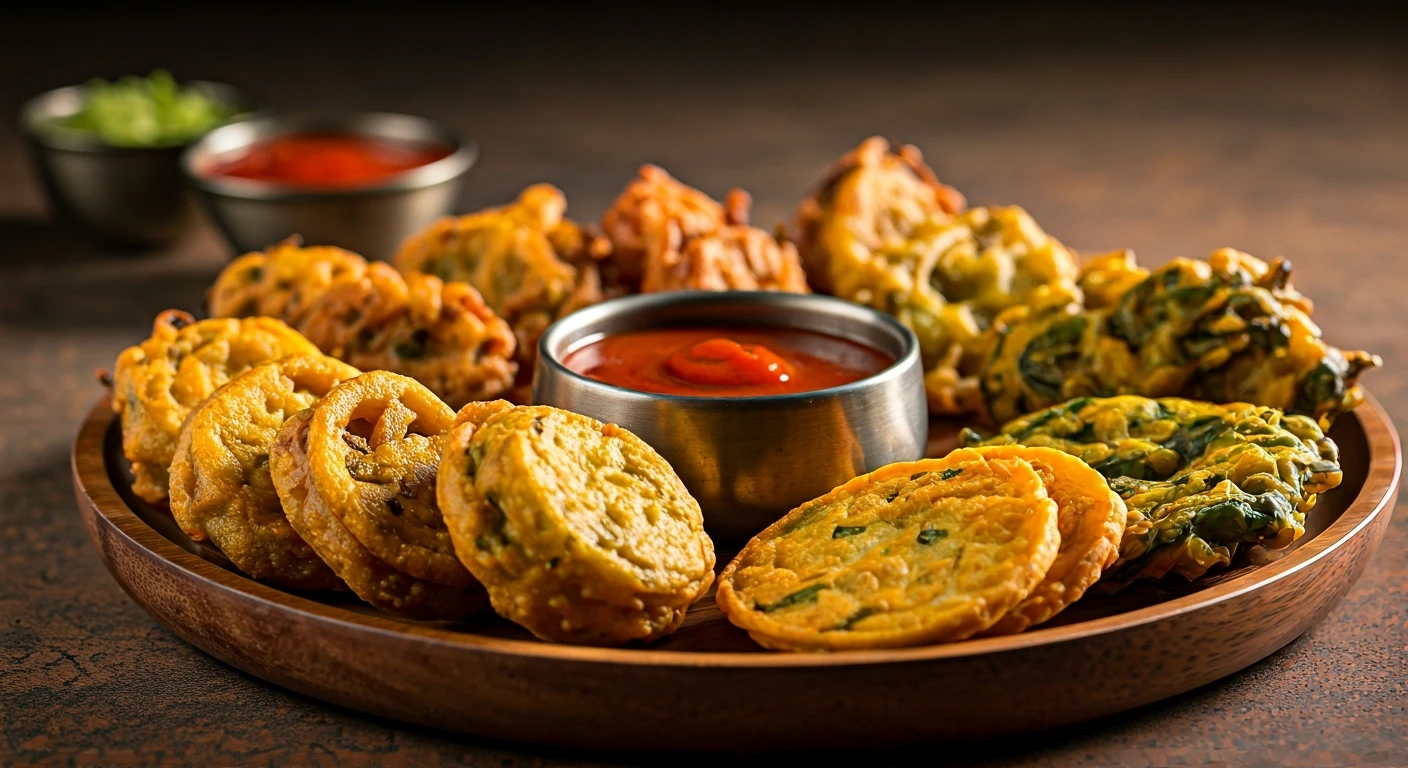
it’s a cultural institution. The pakora, also known as bhajiya, bhaji, or ponako in various regions, is a deep-fried snack made from a besan (chickpea flour) batter, seasoned with spices, and filled with anything from sliced vegetables to leafy greens. The cool, damp air of the monsoon makes the body crave warmth and energy, and nothing delivers that comforting hit quite like a sizzling, freshly fried pakora paired with a steaming cup of chai (spiced tea). It’s a sensory experience: the sound of the rain, the smell of the wet earth, and the crunch of a perfect fritter.
The Classic: Onion Bhajiya
This is the pakora archetype, the version most people picture first. Known as 'kanda bhaji' in Maharashtra or 'pyazi' in the north, the onion bhajiya is a masterclass in simplicity. Thinly sliced onions are mixed into a spiced chickpea flour batter and dropped by the spoonful into hot oil, emerging as misshapen, golden-brown clusters. The magic lies in the texture contrast: crispy, lacy edges give way to a soft, sweet, and savory interior where the onions have steamed to perfection. Served with a tangy mint-coriander chutney or a sweet tamarind sauce, it's the undisputed king of monsoon snacks, found at every street corner stall and in every home kitchen.
The Fiery Dare: Mirchi Bajji
Head south to states like Andhra Pradesh, Telangana, and Karnataka, and you’ll find a pakora with a kick. The 'mirchi bajji' (chili fritter) isn't for the faint of heart. It involves taking a whole, large, and relatively mild green chili (like the Bhavnagri chili), slitting it open, sometimes stuffing it with a tangy mixture of tamarind pulp and spices, then dipping the entire thing in batter and frying it. The result is a substantial, torpedo-shaped fritter where the initial crunch of the batter is followed by the soft, slightly piquant flesh of the cooked chili. It’s a thrilling snack, often sold by street vendors who serve it chopped up and topped with raw onions and a squeeze of lime.
The Carb-on-Carb Champion: Bread Pakora
A specialty of North India and a street food icon in Mumbai, the bread pakora takes comfort food to another level. Slices of plain white bread are its base. In its simplest form, the slice is just dipped in besan batter and fried. But the more beloved version is a sandwich pakora: two slices are filled with a spicy mashed potato mixture ('aloo masala'), clamped together, dipped in batter, and deep-fried until golden. It’s a hearty, filling snack that’s practically a meal in itself. It combines the soft, savory potato filling with the slightly spongy bread and the crispy, spiced outer layer, making it an irresistible rainy-day indulgence.
The Leafy Green: Palak Pakora
For those seeking a slightly lighter, earthier flavor, the 'palak pakora' is a go-to. Popular across northern India, these fritters use fresh spinach leaves. There are two main styles. In one, individual spinach leaves are dipped in a thin batter and fried, creating delicate, leaf-shaped crisps that are almost translucent. In the other, more common style, chopped spinach is mixed directly into a thicker batter along with onions and spices, creating craggy, bite-sized fritters. Either way, the spinach lends a subtle, vegetal note that beautifully complements the nutty chickpea flour and warm spices like ajwain (carom seeds).
The Delicate Bloom: Phula Bhaja
In the eastern states of West Bengal and Odisha, the pakora tradition takes a floral turn. Known as 'telebhaja' in Bengali, the fritters here are often made with seasonal flowers. Pumpkin flowers ('kumro phool') and moringa flowers ('sajna phool') are delicately coated in a light batter—sometimes made with rice flour for extra crispiness—and fried. These fritters are incredibly light and ephemeral. The batter serves only to provide a crispy shell for the blossom inside, which wilts into a tender, subtly sweet bite. It’s a hyper-seasonal and regional specialty that showcases a different, more delicate side of the pakora family.