


1. Hands-On Conservation
The old mantra was “take only pictures, leave only footprints.” The new one might be “leave it better than you found it.” Today’s travelers are seeking opportunities to become temporary stewards of the environments they visit. Instead of just admiring
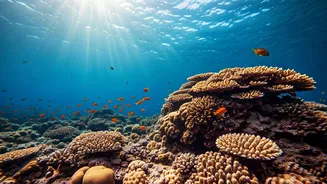
a coral reef from a glass-bottom boat, they’re signing up for programs to help plant new coral. Instead of just spotting a sea turtle, they’re volunteering with a local hatchery to ensure hatchlings make it to the ocean. These experiences, often called conservation or citizen science tourism, transform a vacation into a mission. Travelers get to work alongside biologists, park rangers, and local conservationists, gaining a much deeper understanding of the ecosystem's fragility and their role in protecting it. It reframes the journey from one of consumption to one of contribution.
2. Authentic Cultural Exchange
For many, nature isn’t separate from the people who have lived in it for generations. The new nature traveler is bypassing a resort’s staged cultural night for genuine, respectful interaction. This means seeking out experiences that support and honor Indigenous and local communities. It could look like a multi-day trek led by a guide from a local village, where part of the journey involves staying with a family and sharing meals. It might be an immersive workshop learning a traditional craft, like weaving or pottery, directly from a local artisan, with the proceeds directly supporting them. The goal is not to observe a culture from a distance, but to participate in a fair and equitable exchange, fostering a connection that a sterile hotel environment could never provide. It’s about understanding the human story behind the landscape.
3. Learning a Practical Skill
The wilderness is the world’s oldest classroom, and travelers are eager to enroll. A trip is no longer just about relaxation; it’s an opportunity for self-improvement and acquiring tangible skills. Think less “guided tour” and more “outdoor workshop.” People are booking trips to learn wilderness survival skills from a former special-ops instructor, take a multi-day course in wildlife tracking, master astrophotography in a dark-sky preserve, or learn to forage for edible plants with an expert botanist. This active pursuit of knowledge turns a passive vacation into an empowering experience. The souvenir isn’t a t-shirt; it’s a new capability. This trend taps into a desire to be more competent and self-reliant, reconnecting with fundamental human skills that our modern lives have made abstract.
4. Purposeful Disconnection and Wellness
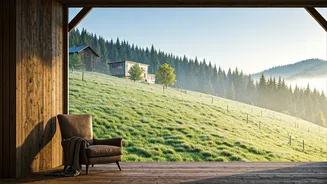
While “digital detox” has been a buzzword for years, its modern iteration is more structured and intentional. It’s not just about finding a cabin with no cell service; it’s about seeking out experiences designed to quiet the mind and heal the body in a natural setting. This goes beyond a simple spa treatment. Travelers are flocking to silent retreats in the desert, guided forest bathing (Shinrin-yoku) excursions that focus on sensory immersion, and wellness lodges that combine physical activity like hiking with mindfulness practices, yoga, and clean eating. The focus is on a holistic reset. The spectacular view isn't the main event—it's the backdrop for a deeper, internal journey. The goal is to return home not just rested, but with a renewed sense of clarity and mental fortitude.
5. Regenerative Journeys
Perhaps the most profound shift is the move from sustainable to regenerative travel. Sustainability aims for a neutral impact—leaving a place as you found it. Regeneration aims for a net-positive impact—actively improving the destination. This is the synthesis of all the trends above. A regenerative traveler might stay at a lodge that uses its profits to fund a local school, sources all its food from nearby organic farms, and actively works to rewild the surrounding landscape. They consciously choose operators who pay fair wages and invest in community development. The entire travel calculus changes from “What can I get from this place?” to “How can my visit benefit this place?” It’s a powerful mindset shift that views tourism as a potential force for good, capable of restoring ecosystems and empowering communities.