



What is Moringa, Anyway?
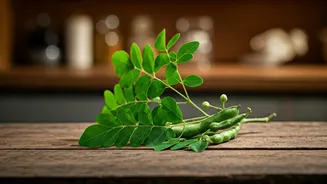
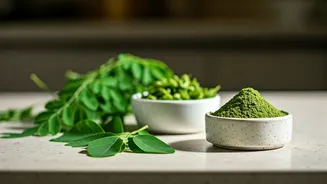
If you haven’t heard of moringa, you’re not alone, but chances are you’ve seen it without knowing. Often called the “drumstick tree” for its long, slender seed pods, Moringa oleifera is a fast-growing, drought-resistant tree native to the Indian subcontinent.
For centuries, nearly every part of the plant—leaves, pods, seeds, flowers, and roots—has been used in traditional medicine, particularly in Ayurveda. It earned nicknames like “the miracle tree” and “tree of life” for its perceived ability to treat a wide range of ailments. Historically, it was something your grandmother might recommend for a specific issue, like boosting energy or enriching milk for new mothers, rather than something you’d sprinkle on your food every day. It was medicine, not a meal.
From Ancient Remedy to Kitchen Staple
The shift from medicinal plant to pantry staple is a recent phenomenon, driven by a confluence of factors. As wellness culture has gone global, there's been a renewed interest in traditional, plant-based nutrition. Indians, like many around the world, are looking for natural ways to supplement their diets. But more importantly, moringa has been rebranded. It shed its slightly intimidating, purely medicinal reputation and is now marketed as a powerful, all-natural multivitamin. Health-conscious urbanites and families are embracing it not as a cure for sickness, but as a preventative tool for wellness. This change in perspective has been crucial. It’s no longer just the bitter concoction you drink when you’re unwell; it’s a simple, daily boost you can add to almost anything.
A Nutrient-Dense Powerhouse
The science backs up the buzz. Moringa leaves are exceptionally nutrient-dense. Gram for gram, they are packed with vitamin C, iron, potassium, calcium, and protein. They also contain a powerful array of antioxidants, which help combat cellular damage in the body. While no single food is a silver bullet for health, moringa offers a remarkable nutritional profile that’s hard to ignore. For vegetarian and vegan diets, which are common in India, its high protein and iron content make it an especially valuable addition. The modern appeal lies in its efficiency: a single spoonful of moringa powder can deliver a significant nutritional punch, making it an easy and effective way to fortify a meal without drastically changing its flavor.
The Modern Culinary Renaissance
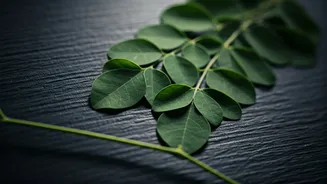
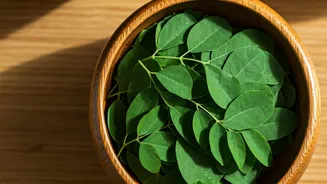
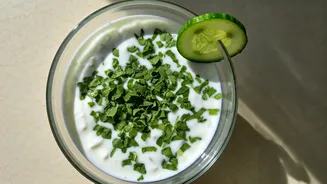
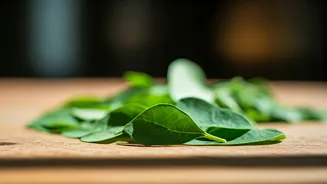
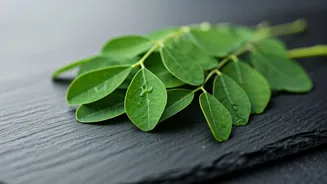
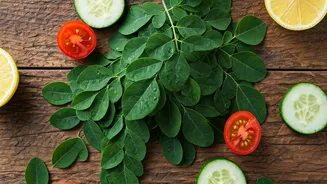
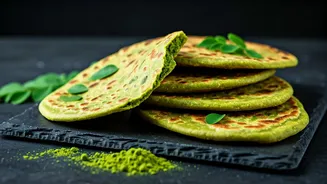
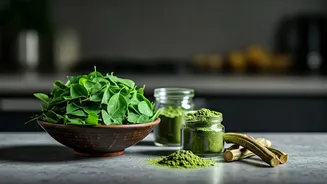
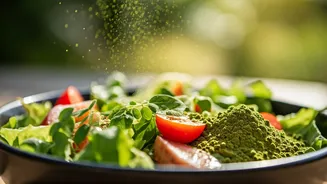
So, how exactly is it showing up on the plate? The most popular form is a fine, bright green powder made from dried leaves. Its mildly earthy, spinach-like flavor allows it to blend seamlessly into countless dishes. It’s being whisked into yogurt and smoothies, kneaded into the dough for roti or paratha (flatbreads), and stirred into lentil curries (dal) and vegetable stews (sabzi) just before serving to preserve its nutrients. Fresh moringa leaves, which taste like a peppery version of arugula, are used in stir-fries, omelets, and soups. Even food manufacturers are getting in on the trend, adding moringa powder to everything from pasta and baked goods to energy bars and juices. This versatility is key to its routine adoption. It doesn't require learning a new recipe; it just requires a small adjustment to an existing one.