



More Than a Coffee Pot
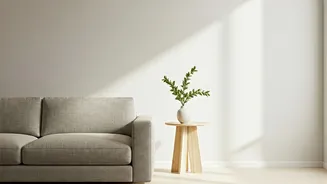
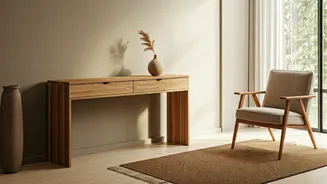
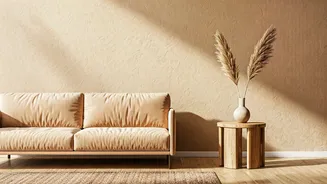
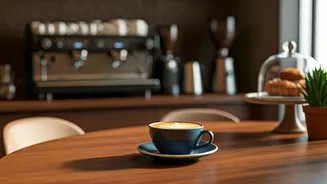
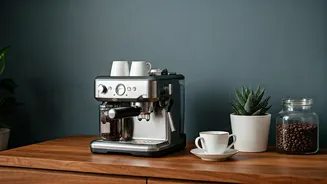
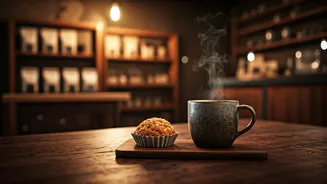
This isn't just about stashing a French press in a cupboard. The Indian “cafe corner” is a deliberate, curated, and often Instagrammable space. It’s a dedicated nook carved out of a living room, a stylish bar cart repurposed in a dining area, or a sleek
setup on a kitchen countertop. Think floating shelves displaying artisanal ceramic mugs, a high-end coffee grinder sitting next to bags of single-origin beans from Indian estates in Coorg or Chikmagalur, and perhaps a chalkboard with a handwritten “menu.” The aesthetic borrows heavily from the minimalist, slightly industrial vibe of third-wave coffee shops that have become popular across cities like Mumbai, Delhi, and Bangalore. It’s a multi-sensory experience designed to replicate the feeling of being in your favorite neighborhood cafe, without leaving the comfort of home.
Brewed by the Pandemic, Steeped in Aspiration
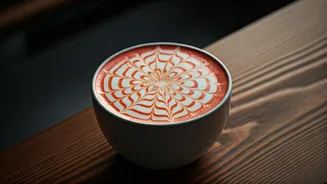
Like many global home trends, this one was supercharged by the pandemic. As lockdowns closed cafes and restaurants, a generation of young, urban Indians accustomed to a cosmopolitan lifestyle found themselves stuck at home. They missed the social rituals, the sense of affordable luxury, and the simple pleasure of a well-made flat white. So, they decided to bring the experience indoors. This DIY spirit was fueled by a burgeoning domestic coffee market. A host of new Indian roasters and coffee equipment suppliers made high-quality beans and barista-level gear more accessible than ever before. But the trend’s roots go deeper than just a pandemic hobby. It speaks to a growing middle and upper-middle class with disposable income and a desire to express personal taste and global awareness through their homes.
A Statement of Modern Individualism
In a culture where multi-generational living is still common and personal space can be a premium, carving out a cafe corner is a quiet declaration of individuality. It’s a space that belongs to you, dedicated to a personal ritual. For many young professionals, it’s a status symbol that communicates sophistication and modernity in a way that’s more subtle than a luxury car. It says, “I am globally connected, I appreciate craftsmanship, and I invest in my own well-being.” Interior designers in India report that requests for coffee stations have skyrocketed, often becoming a central design element in new renovations. It’s a reflection of a home that is no longer just a place for family and tradition, but also a canvas for personal expression and a sanctuary for the individual.
But Don't Worry, Chai Isn't Going Anywhere
It would be easy for an outsider to see the rise of the home cafe as the death of India’s iconic tea culture. But that misses the point entirely. The cafe corner is not replacing the masala chai; it’s coexisting with it. Chai is deeply woven into the fabric of Indian life—it’s the drink of hospitality, of family gatherings, of roadside stalls and political discussions. It is communal and traditional. The coffee corner, by contrast, is often more personal and contemporary. An Indian home is now more likely to offer both. You might have a traditional filter coffee or chai with your parents in the morning, and then craft a perfect pour-over for yourself in the afternoon. This isn't a story of replacement, but of addition—a layering of new tastes and rituals onto a rich and complex cultural foundation.