



The Bare Essentials
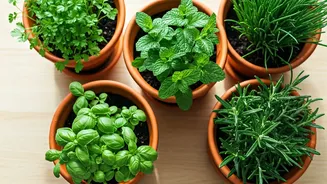
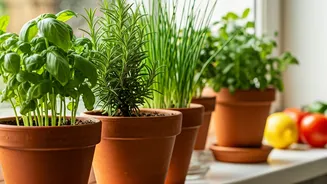
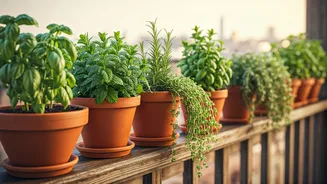
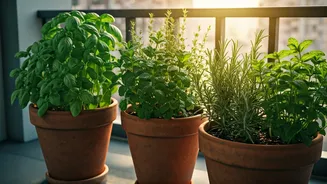
Before you buy a single plant, get your setup right. Success starts with three key ingredients: containers, soil, and sun. For containers, anything with drainage holes will work, from classic terracotta pots to recycled tins. Good drainage is non-negotiable;
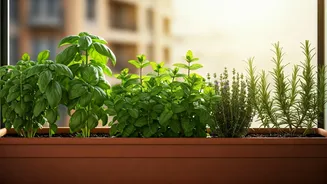
herbs hate 'wet feet.' Next, skip the garden soil, which is too heavy for pots. Instead, buy a quality potting mix designed for containers. It’s lighter and formulated to retain moisture without becoming waterlogged. Finally, take an honest look at your sunlight. Most herbs need at least six hours of direct sun per day to thrive. Observe your balcony for a full day to identify its sunniest spot. If you have less sun, don't despair—herbs like mint and parsley are more tolerant of partial shade.
Basil: The Taste of Summer
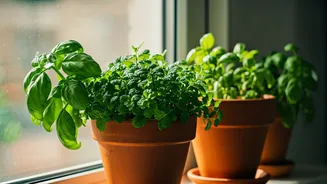
If you grow only one herb, make it basil. Its sweet, aromatic leaves are the essence of summer, perfect for pesto, caprese salads, and garnishing nearly any dish. Basil loves heat and sun, so give it the prime spot on your balcony. It’s a thirsty plant, so check the soil daily and water whenever the top inch feels dry. To encourage a bushier, more productive plant, pinch off the top set of leaves regularly, right above a leaf node. This prevents the plant from 'bolting' (flowering), which can make the leaves bitter. One healthy basil plant can provide fresh leaves all season long.
Mint: The Aggressive Freshener
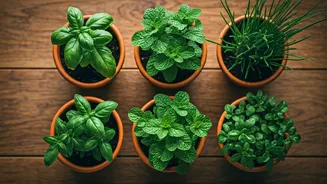
Mint is famously easy to grow—so easy, in fact, that its biggest challenge is containment. Its runners will quickly take over any shared space, so always give mint its own dedicated pot. Whether you choose spearmint for mojitos and teas or peppermint for its sharper flavor, the care is the same: give it consistent moisture and some sun, though it’s quite tolerant of shadier spots. Harvest leaves often to promote new growth. A single mint plant can provide an endless supply for drinks, desserts, and savory dishes. Its fresh scent is also a wonderful bonus for any outdoor seating area.
Rosemary: The Hardy Mediterranean Staple
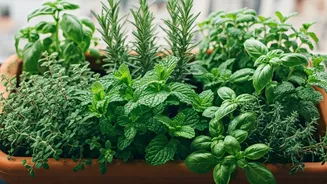
For a low-maintenance option that offers year-round greenery, rosemary is a champion. This woody, evergreen herb thrives on neglect. It prefers its soil on the drier side, making it a forgiving choice if you sometimes forget to water. Its pine-like, pungent aroma is fantastic with roasted meats, potatoes, and bread. Plant it in a terracotta pot, which helps wick away excess moisture, and give it as much sun as you can. Rosemary doesn't need much fuss, just good drainage and plenty of light. In colder climates, you can bring it indoors over the winter to keep it alive for next year.
Parsley: The Quiet Workhorse
Often relegated to a simple garnish, parsley is a culinary powerhouse packed with fresh, green flavor that brightens any dish. Both flat-leaf (Italian) and curly varieties do well in containers. Parsley is more tolerant of partial shade than many other herbs, making it a versatile choice for less-than-ideal balcony conditions. It likes consistent moisture and will produce abundantly if you harvest the outer leaves first, allowing the center of the plant to continue generating new growth. It’s a biennial, meaning it will live for two seasons, offering a long and productive life in your container garden.
Keeping It Pesticide-Free
One of the greatest benefits of a small-scale balcony garden is total control over what goes on your plants. You can easily keep it organic and pesticide-free. Because your plants are contained and elevated, they are less susceptible to many soil-borne pests. If you do spot aphids or spider mites, they can often be dislodged with a strong spray of water from a hose or spray bottle. For a more persistent issue, a simple solution of a few drops of dish soap in water can be an effective insecticidal soap. This hands-on approach ensures the herbs you add to your food are as clean and natural as possible.