




From Hydration to Bio-Hacking
Not long ago, grabbing a drink meant choosing between water, soda, or juice. The goal was simple: hydration or a sugar rush. Today, that choice has become infinitely more complex. The shelves are packed with beverages infused with ingredients that sound
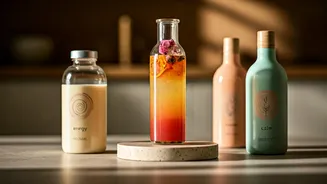
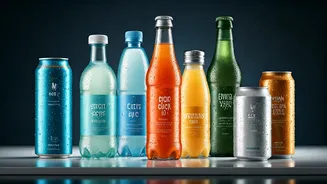
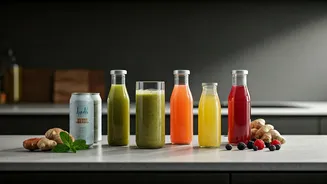
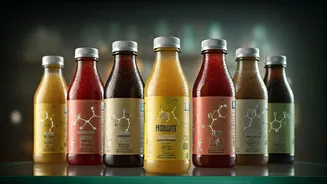
more like they belong in a science lab than a lunchbox: adaptogens, nootropics, and probiotics. This is the 'functional' upgrade, a movement transforming drinks into tools for optimizing our bodies and minds. The core idea is that your beverage shouldn't just be a passive liquid; it should actively contribute to your well-being, whether that means sharpening your focus for a big meeting, helping you unwind after a stressful day, or supporting your gut health. It’s a shift from simple refreshment to a form of liquid self-care.
The Mind Boosters: Nootropics
Feeling foggy? There’s a drink for that. Beverages infused with nootropics—compounds purported to enhance cognitive function—are a fast-growing category. You'll find them in everything from canned coffees to sparkling waters. A common ingredient is L-theanine, an amino acid found in green tea known for promoting a state of “calm alertness.” Another star is Lion’s Mane mushroom, an adaptogenic fungus that’s being studied for its potential to support brain health and memory. Brands are marketing these drinks as a healthier alternative to a triple-shot espresso, promising sustained focus without the jitters or the inevitable crash. The pitch is compelling: instead of just jolting your system with caffeine, you’re providing it with nutrients to help it perform at its best.
The Stress Busters: Adaptogens
If the modern condition is a low-grade hum of anxiety, then adaptogen-infused drinks are the proposed antidote. Adaptogens are herbs and mushrooms believed to help the body resist and adapt to physical, chemical, and biological stressors. Ashwagandha, an herb from Ayurvedic medicine, is a frequent headliner, added to lattes and sparkling teas with the promise of reducing cortisol levels and promoting tranquility. Reishi mushroom, often called the “mushroom of immortality,” is another popular addition, celebrated for its calming properties. And of course, there's CBD, the non-psychoactive compound from the cannabis plant that has found its way into countless seltzers and tonics, all aiming to take the edge off a hectic world. The goal of these beverages isn’t sedation, but balance.
The Gut Guardians: Prebiotics and Probiotics
The conversation around wellness has become increasingly focused on the gut microbiome, and the beverage world is listening. Gone are the days when yogurt was the only go-to for probiotics. Now, you have a plethora of options. Kombucha, the fermented tea, was the category’s pioneer, but it has been joined by a new wave of “functional sodas” from brands like Olipop and Poppi. These drinks mimic classic soda flavors but are low in sugar and packed with prebiotics—types of fiber that feed the good bacteria in your gut. They offer the nostalgic fizz and flavor of a cola or root beer but are designed to support digestive health, making them a guilt-free indulgence that does double duty.
Beyond the Hype: A User's Guide
So, is a can of “brain-boosting” seltzer really the key to a better life? The science on many of these ingredients is still emerging, with some studies showing promise and others being less conclusive. While many compounds like L-theanine have a solid history of use, the dosage and quality in a commercial beverage can vary wildly. The key is to be a savvy consumer. Read the labels: look for clear information on what ingredients are included and in what amounts. Manage your expectations; these drinks are supplements, not miracle cures. They can be a pleasant and potentially beneficial part of a healthy lifestyle, but they won't replace the fundamentals of good sleep, a balanced diet, and regular exercise. Think of them as a small, tasty upgrade—not a complete system overhaul.