


Beyond the Usual Suspects
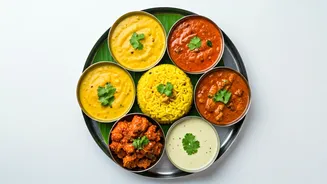
For decades, the Indian culinary experience in the U.S. has been defined by a relatively narrow, Northern-influenced menu. Dishes like chicken tikka masala, palak paneer, and chana masala are served with a side of basmati rice or a basket of wheat-based
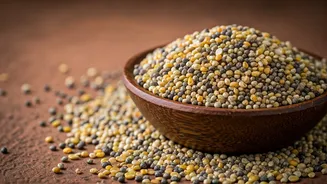
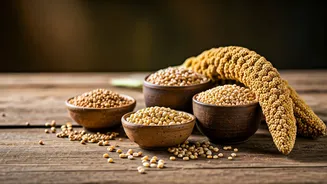
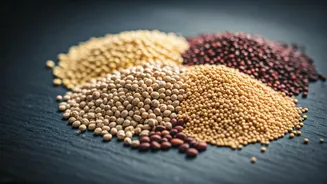
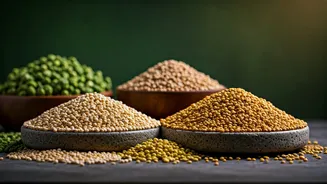
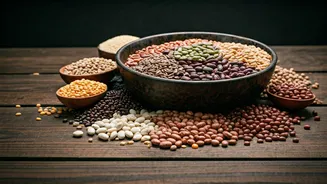
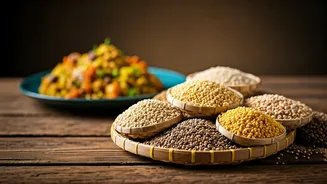
breads like naan and roti. While delicious, this popular repertoire represents just a fraction of the subcontinent's staggering diversity. Now, a new wave of Indian chefs is challenging this monolith. In acclaimed restaurants from New York to California, menus are featuring ingredients that might seem novel to American diners but are, in fact, deeply traditional: millets, sorghum, amaranth, and a wide array of regional beans that were once the bedrock of Indian diets.
How Grains Got Left Behind
So, why is this a “rediscovery”? The answer lies in 20th-century history. In the 1960s, India’s Green Revolution was a massive agricultural initiative aimed at combating famine. It succeeded by promoting high-yield, water-intensive crops, specifically wheat and rice. Government subsidies and distribution systems made these two grains cheap, accessible, and aspirational. As a result, farmers across the country shifted away from growing their indigenous, climate-resilient crops. Ancient grains like jowar (sorghum), bajra (pearl millet), and ragi (finger millet)—once staples for millions—were relegated to rural or “poor people’s food” status. The rich tapestry of regional beans and legumes also thinned, overshadowed by a few commercially dominant varieties. The convenience and prestige of processed wheat and polished rice pushed a huge part of India’s agricultural heritage into the shadows.
The Modern Revival
The return of these ingredients is being driven by a perfect storm of modern concerns. First is health. Many of these ancient grains are nutritional powerhouses—naturally gluten-free, high in fiber and protein, and packed with micronutrients. As global wellness trends lean toward whole foods and diverse diets, millets and their cousins are finding a new, appreciative audience. Second is sustainability. Unlike thirsty rice and wheat, many traditional grains are hardy, drought-resistant crops that thrive in arid conditions with minimal intervention. In an era of climate change and water scarcity, they represent a more sustainable future for agriculture, a fact underscored by the UN declaring 2023 the “International Year of Millets.” Finally, there's a powerful cultural pull. Chefs and home cooks are looking to reclaim regional identity and culinary authenticity, celebrating the distinct flavors and textures that were nearly lost.
Getting to Know the Roster
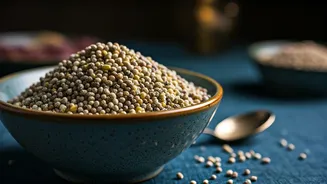
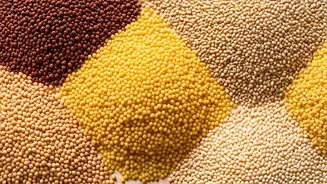
These aren’t just bland health foods; they are ingredients with character. Ragi, or finger millet, has a deep, earthy flavor and is often used to make a dense, dark flatbread called bhakri or a sweet, nourishing porridge. Jowar, or sorghum, is milder and slightly nutty, perfect for making soft, unleavened rotis. Bajra, or pearl millet, has a distinct nuttiness that pairs beautifully with bold spices. Beyond grains, chefs are exploring heirloom beans like horse gram (kulthi), a robust legume with a complex, smoky taste, and moth beans (matki), small, flavorful beans often used in sprouts and curries in Western India. These ingredients aren't just replacing rice on the side of the plate; they're being integrated into the heart of dishes, used for breads, crepes, pilafs, and even desserts, adding new dimensions of flavor and texture to the cuisine.
Finding It on the Menu
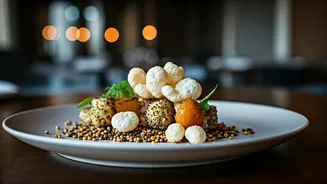
This movement is most visible in the kitchens of innovative Indian restaurants across the United States. Chefs are using these grains to tell a richer, more nuanced story about Indian food. You might find a dosa (a savory crepe) made from a blend of millets instead of the traditional rice and lentils, or a khichdi (a comforting porridge) made with bajra instead of rice. These chefs aren't just cooking; they're educating diners, showing them that Indian food is not a single entity but a vast collection of regional traditions. By putting a sorghum flatbread or a horse gram curry on the menu, they invite diners to taste a piece of history and expand their understanding of one of the world's great cuisines.