


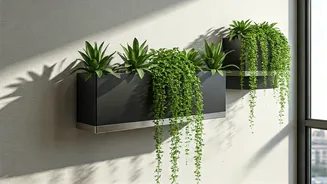


The Rise of the Countertop Farm
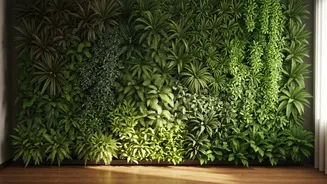
In cities across the U.S., from sprawling Los Angeles lofts to shoebox apartments in New York City, a quiet green revolution is taking root. Limited by a lack of backyards and balconies, urbanites are turning inward—and upward. The vertical kitchen garden
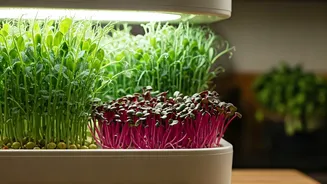
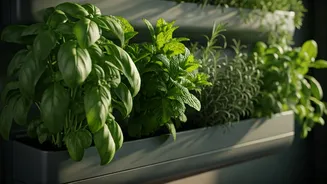
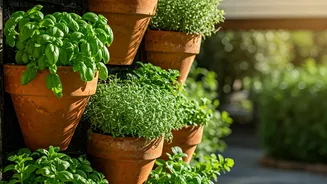
is more than just a trendy planter; it’s a direct response to the modern urbanite’s dilemma: a deep desire for fresh, sustainably sourced food combined with the reality of limited space. These systems, which range from simple stacked pots to sophisticated hydroponic towers, allow anyone to cultivate a surprising amount of fresh produce in just a few square feet of floor or counter space. It’s a solution that’s as elegant as it is practical, turning a sterile kitchen corner into a living pantry.
More Than Just a Garnish
The appeal of a kitchen herb garden goes far beyond the convenience of a fresh sprig of basil for your pasta. It represents a powerful shift toward more mindful and sustainable consumption. By growing your own herbs, you dramatically reduce your food miles—the distance your food travels from farm to plate. This, in turn, cuts down on carbon emissions. You also eliminate the plastic clamshell packaging that supermarket herbs invariably come in, reducing household waste. Furthermore, having a ready supply of fresh herbs means you’re less likely to let a half-used bunch wilt in the back of your fridge, a common source of food waste. Each snip of a homegrown chive or parsley leaf is a small victory for your wallet and the planet.
A Dose of Everyday Wellness
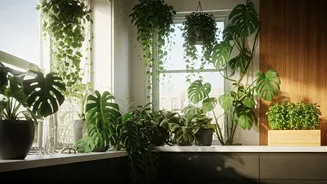
Beyond the environmental and culinary benefits, tending to an indoor garden has been shown to have a positive impact on mental well-being. In the concrete-and-glass landscapes of major cities, the simple act of nurturing a living plant can be a powerful antidote to the stresses of urban life. It provides a tangible connection to nature, a moment of meditative focus in a busy day. Watching seeds sprout and leaves unfurl offers a sense of accomplishment and a gentle rhythm that counteracts the frantic pace of the outside world. For many, the fresh, earthy scent of basil, mint, or rosemary filling their apartment is a form of everyday aromatherapy, a sensory reminder of the natural world thriving right in their home.
Getting Your Garden Growing
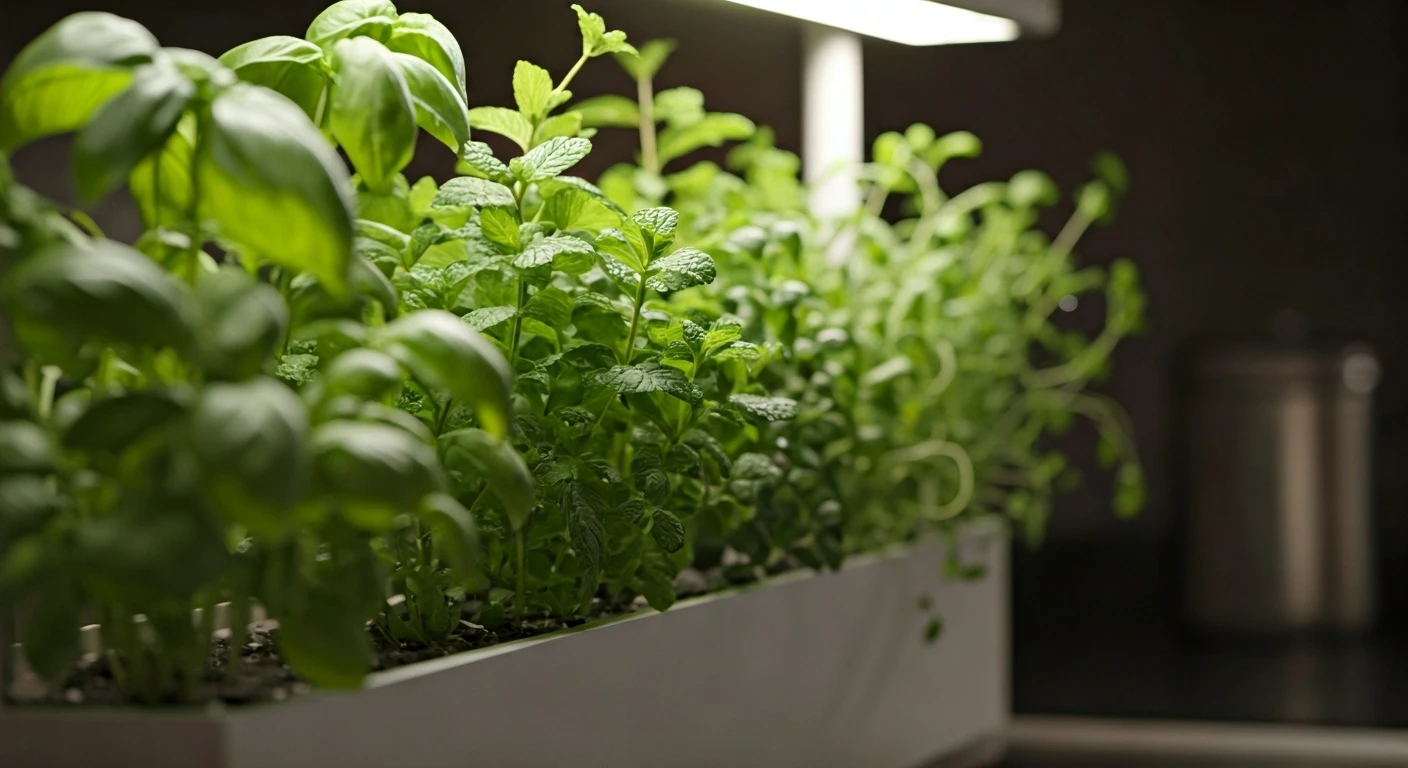
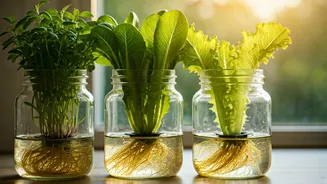
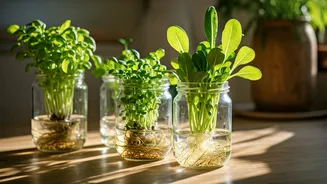
The beauty of this trend is its accessibility. You don’t need a green thumb to get started. The market is flooded with user-friendly systems designed for beginners. Hydroponic setups, while sounding complex, are often the easiest. They use a nutrient-rich water solution instead of soil, automated timers for LED grow lights, and self-watering mechanisms, taking most of the guesswork out of plant care. Soil-based vertical planters are a more traditional option, offering a familiar gardening experience in a space-saving format. The key is to assess your space and light. A south-facing window might be enough for a simple pot of mint, while a darker kitchen corner will benefit from a system with an integrated grow light.
The Essential Starter Pack
Ready to start snipping? These five herbs are famously forgiving and incredibly versatile, making them perfect for your first vertical garden. Basil is a must for its sweet, aromatic leaves that elevate everything from pesto to cocktails. Mint grows vigorously and is perfect for teas, mojitos, and fruit salads. Parsley, with its bright, clean flavor, is a kitchen workhorse for finishing dishes. Chives offer a mild oniony kick for eggs, potatoes, and soups. Finally, Rosemary provides a woody, robust flavor that’s ideal for roasting vegetables and meats. Starting with these culinary staples ensures you’ll get immediate, delicious returns on your small gardening investment.