


1. Go All-In on Natural Woods
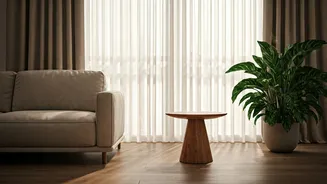
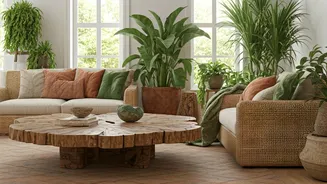
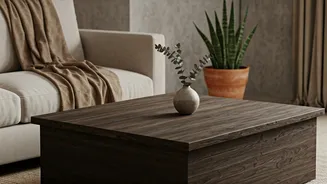
The foundation of any earthy interior is the authentic, grounding presence of wood. But we're not talking about the slick, high-gloss finishes of decades past. This trend celebrates wood in its more natural state: think oak coffee tables with a visible
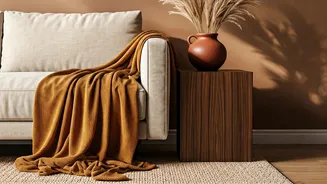
grain, acacia dining benches, or even simple decorative items like mango wood bowls. These pieces bring an immediate sense of warmth and stability to a room, connecting it back to the outdoors. Lighter woods like pine and maple can keep a space feeling airy, while darker tones like walnut or teak add drama and depth. You don't need to replace all your furniture; introducing a single statement piece, like a live-edge shelf or a reclaimed wood side table, can anchor the entire aesthetic.
2. Adopt a Nature-Inspired Color Palette
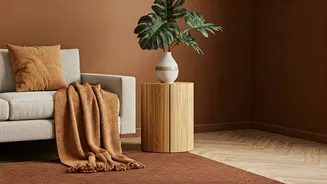
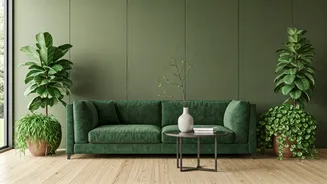
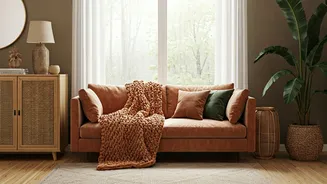
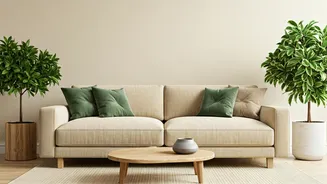
When the world outside is gray, your walls and textiles can provide the color. The earthy palette steers clear of stark whites and jarring neons, instead favoring hues pulled directly from a forest walk or a desert landscape. This means warm neutrals like beige, taupe, and mushroom gray are your base. From there, layer in richer, more saturated tones: deep forest green, terracotta, ochre, and muted rust. These colors feel inherently comforting and sophisticated. An easy way to start is with throw pillows, blankets, or a new area rug. For a bigger commitment, consider a feature wall painted in a soothing olive or a warm, clay-inspired shade to create a cozy nook for reading and relaxing.
3. Layer on the Tactile Textures
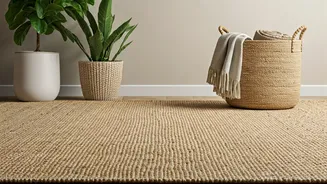
An earthy interior is as much about how it feels as how it looks. During colder, wetter months, our instinct is to surround ourselves with soft, comforting materials. This is where texture becomes king. Think chunky knit wool blankets, nubby bouclé armchairs, soft linen curtains that diffuse light beautifully, and jute or sisal rugs that feel organic underfoot. The key is to layer different textures to create visual interest and a rich sensory experience. A smooth leather cushion on a woven rattan chair, or a velvet pillow on a linen sofa, creates a dynamic contrast that is both sophisticated and deeply inviting. These textures beg to be touched, making your home a more engaging and comforting place to be.
4. Bring the Outdoors In with Greenery
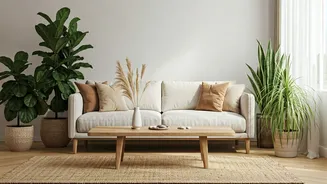
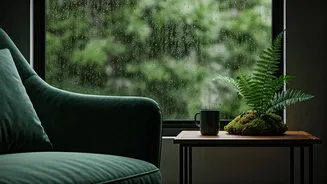
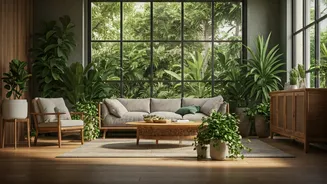
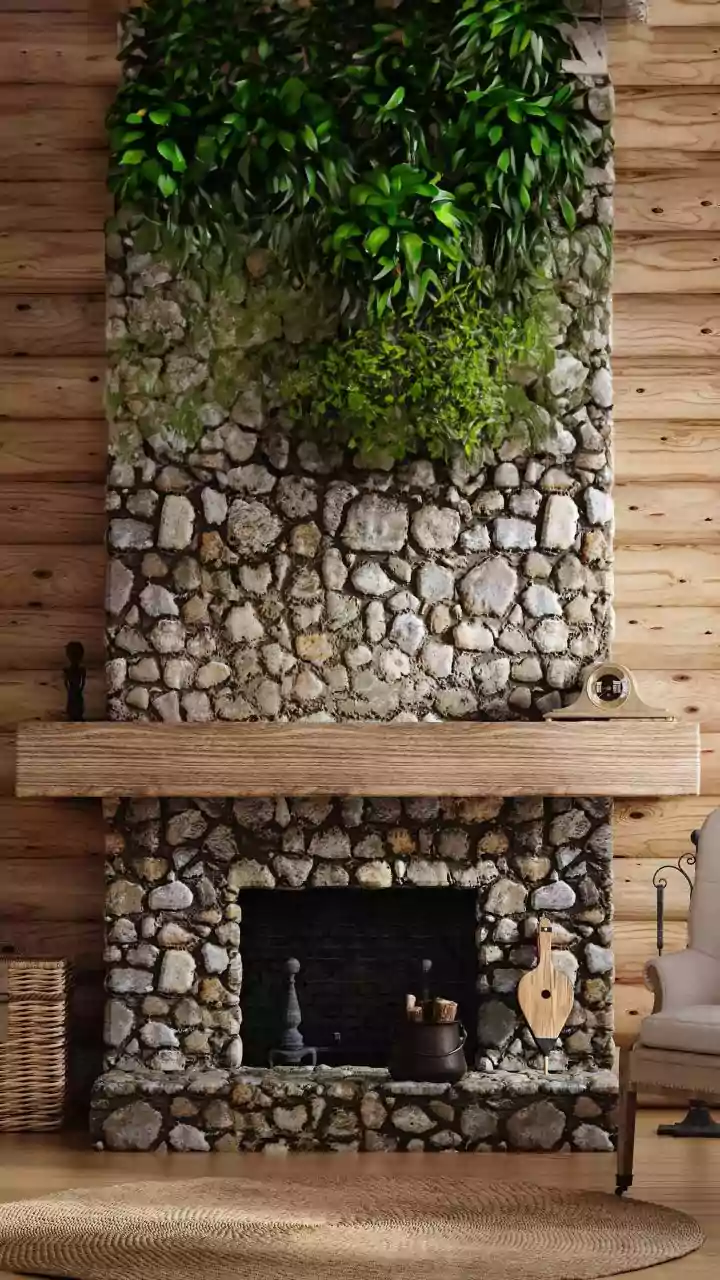
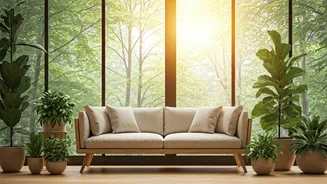
It's the most literal interpretation of the trend, and it's essential. Houseplants are the living, breathing soul of an earthy interior. They purify the air, add a vibrant splash of color, and fulfill our innate need for a connection to nature—a concept known as biophilic design. On a dreary day, the sight of a thriving fiddle-leaf fig or a trailing pothos can be an instant mood booster. Choose a variety of plants with different leaf shapes, sizes, and shades of green. Don't forget the pots; terracotta, ceramic, and concrete planters enhance the naturalistic aesthetic. If you don't have a green thumb, high-quality faux plants can work wonders, as can dried arrangements of pampas grass, eucalyptus, or willow branches.
5. Embrace Imperfect, Handcrafted Objects
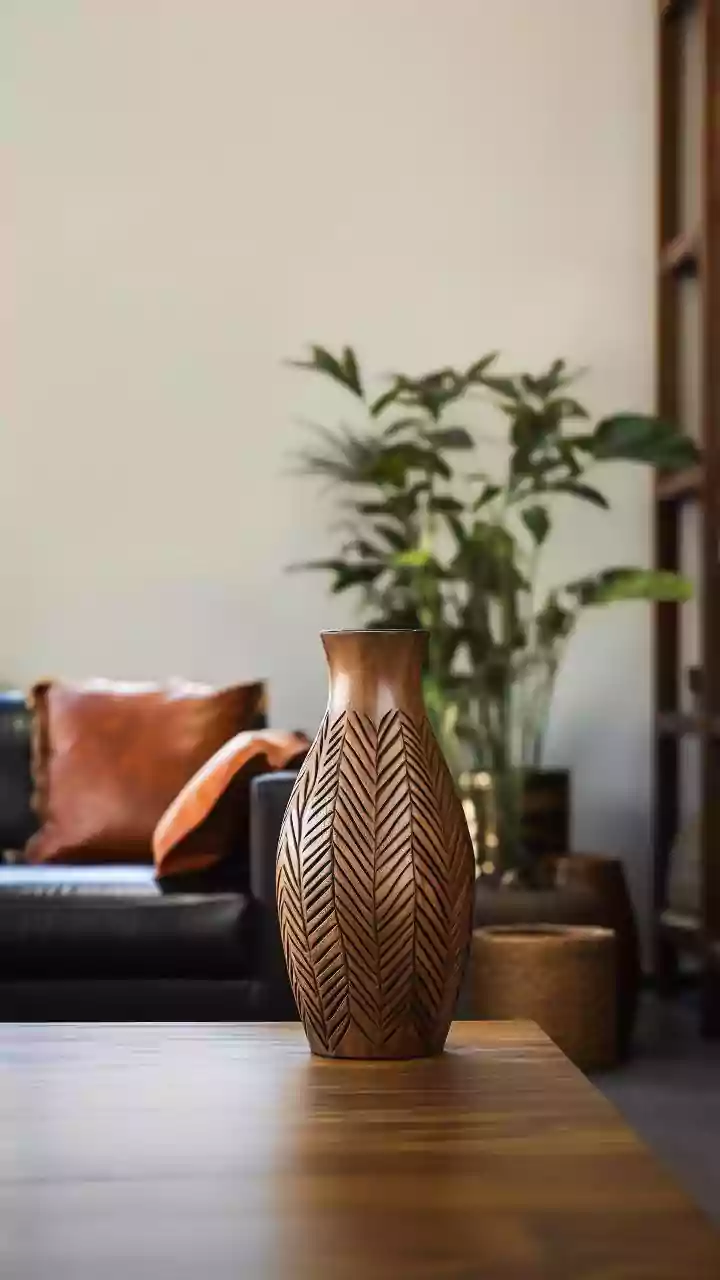
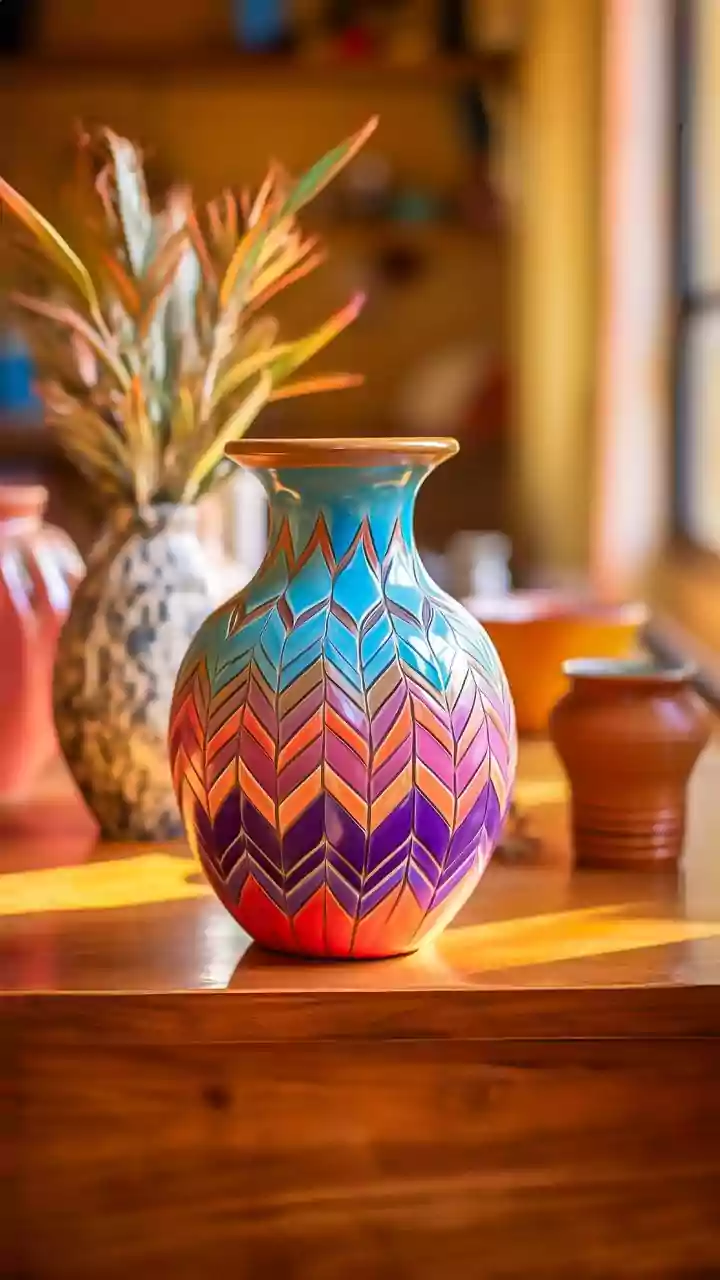
Earthy design moves away from the mass-produced and leans into the unique and personal. It celebrates the beauty of imperfection—the wabi-sabi philosophy of finding appeal in the slightly flawed. This is your chance to showcase items that tell a story. Look for hand-thrown ceramic mugs, irregularly shaped serving platters, handwoven baskets for storage, and art that feels personal and organic. These pieces add character and a human touch, preventing the space from feeling like a sterile showroom. They serve as reminders that a home is a lived-in, evolving space, not a perfect catalog spread. Visiting local craft fairs or flea markets can be a great way to find one-of-a-kind treasures that complete your earthy vibe.