




A Rebel League Lights the Fuse
The story of the IPL begins with a threat. In 2007, a rival, unsanctioned competition called the Indian Cricket League (ICL) launched. Backed by the media giant Zee Entertainment, the ICL offered players something the official Board of Control for Cricket in India (BCCI)
didn't: big, guaranteed paychecks. It poached active and retired stars, creating a genuine crisis for the BCCI, which had long held a monopoly on professional cricket in the country. The ICL was a direct challenge to its power and financial dominance. The BCCI responded not by negotiating, but by going to war. It banned any player associated with the ICL, effectively ending their international careers. But it knew a defensive strategy wasn't enough. It needed to create something bigger, better, and more spectacular to crush the rebellion for good.
The Architect with a Grand Vision
Enter Lalit Modi, a brash, ambitious, and well-connected BCCI executive. Modi had been pitching a city-based, franchise-style T20 cricket league for years, an idea inspired by the commercial models of American sports like the NBA and NFL. T20, a shorter, more explosive format of cricket, was the perfect vehicle. His vision was a tournament that was “not about cricket, but about entertainment.” He wanted to merge India's two biggest passions: cricket and Bollywood. With the ICL threat looming, the BCCI’s old guard, once skeptical of Modi’s radical ideas, finally gave him the green light. They gave him a blank check and an impossible deadline, essentially telling him to build a sports empire from scratch in under a year.
The Billion-Dollar Franchise Frenzy
With the board’s backing, Modi moved with astonishing speed. The first, most critical step was to prove the concept was financially viable. In January 2008, an auction was held for the ownership of eight city-based franchises. The results were staggering. India’s wealthiest business tycoons, alongside Bollywood superstars like Shah Rukh Khan, lined up to bid. The franchises sold for a combined total of $723 million, a figure that blew past all expectations. Just weeks later, Sony Entertainment Television and World Sport Group won the league's broadcasting rights for ten years in a deal worth over $1 billion. In a matter of months, before a single ball had been bowled, the IPL was already a financial juggernaut. It had the money, the glamour, and the institutional backing to dwarf the ICL.
The Auction That Changed Cricket Forever
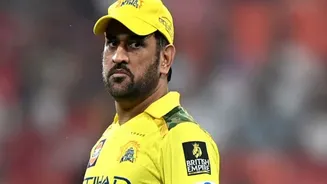
The final piece of the puzzle was the players. In February 2008, the IPL held its first-ever player auction, an event televised live and watched with the same intensity as a championship game. For the first time in cricket history, players weren't just salaried employees; they were high-value assets, auctioned off to the highest bidder in a dramatic, high-stakes draft. Young Indian hero M.S. Dhoni became the league's most expensive player, fetching a $1.5 million contract—an astronomical sum for a cricketer at the time. Global stars from Australia, South Africa, and the West Indies saw their salaries multiply overnight. The auction fundamentally transformed the economics of the sport, turning top cricketers into multi-millionaire superstars and establishing the IPL as the most lucrative place for a professional to play the game.